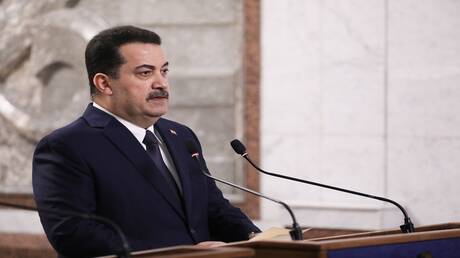
Iraqi Prime Minister Mohammed Shia al-Sudani announced that Iraq does not support any military intervention in the Strait of Hormuz, a vital passage for global maritime navigation, even though his government views the navigation restrictions imposed in the strait as a blatant violation of international law.
During a press conference, al-Sudani emphasized the need to respect the sovereignty of nations and the freedom of maritime movement in international waters. This statement comes amidst rising tensions in the region, as the Strait of Hormuz is a major transit point for oil and natural gas. Al-Sudani further stated that Iraq calls for cooperation among the concerned countries to maintain security and stability in this sensitive region.
Details of the Situation
The Strait of Hormuz, which links the Arabian Gulf with the Gulf of Oman, is witnessing escalating military tensions and political disputes between Western powers and Iran, leading to increased calls for military intervention to ensure freedom of navigation. In this climate, al-Sudani believes that political and diplomatic solutions are the optimum choice for addressing critical issues, rather than military force.
Moreover, al-Sudani pointed out that Iraq is ready to contribute to any collective effort aimed at achieving security and calm in this strategic region, asserting that his country is not part of any military conflicts that harm its national interests or those of its neighbors.
Background & Context
Historically, the Strait of Hormuz has been a focal point of disputes and tensions, especially during crises between Iran and the United States. This strait is considered one of the busiest waterways, through which approximately 20% of the globally consumed oil passes. The security situation in the region has become a topic of international discussion, with rising incidents related to maritime attacks and piracy prompting major powers to call for enhanced security measures to ensure the safe passage of ships.
Iran, which views military interventions as a threat to its sovereignty, has worked to bolster its military presence in the area, causing concern among many Gulf Arab states. This has resulted in increasing political and military divisions between Arab states and Western countries, making peaceful and diplomatic solutions a pressing necessity.
Impact & Consequences
The statements made by al-Sudani reflect Iraq's position supporting peace and stability in the region, which may enhance its role as a mediator in regional crises. The relations between Iraq and the United States, as well as other Western countries that favor military solutions, could be affected, meaning this stance will support Iraq's efforts to assert its political independence and maintain its position on foreign intervention.
Any military intervention in the Strait of Hormuz could lead to a worsening conflict in the region, negatively impacting the economies of countries reliant on these waters for their oil shipments. Political statements raise questions about how to manage international relations in this turbulent context, especially with growing concerns regarding the stability of the global oil market.
Regional Significance
Regarding the Arab world, Iraq's stance against military intervention may inspire other nations to adopt a similar view, reinforcing the idea of peaceful solutions to resolve regional disputes. This position also reflects the concern among many Arab countries about slipping into costly conflicts.
On the other hand, instability in the Strait of Hormuz could increase economic tensions, adversely affecting oil prices and impacting the economies of the entire region. As the need for enhanced Arab cooperation rises, Iraq's position can be a catalyst for reconsidering the economic and political strategies of Arab states under these changing conditions.
In conclusion, Iraq's stance represents a significant step forward in promoting peaceful solutions and aligning joint efforts of regional countries against any repercussions that may affect Arab national security.