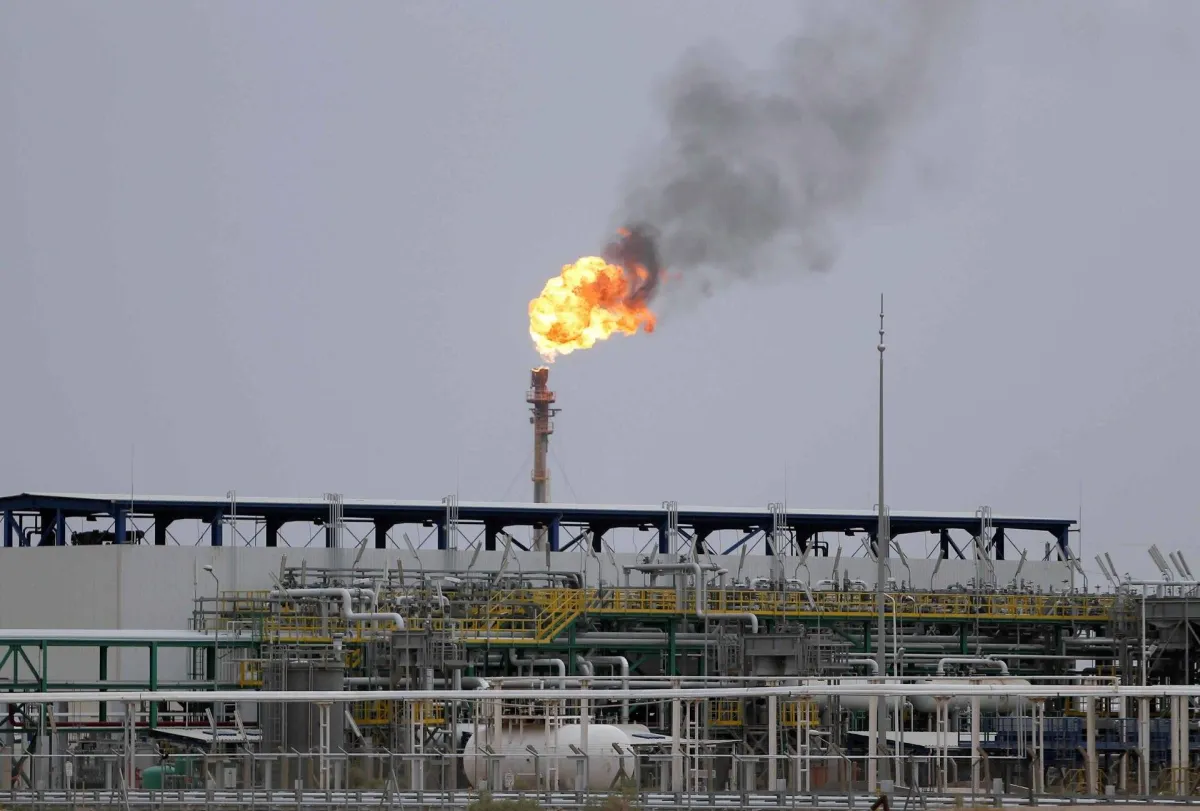
The Iraqi Oil Marketing Company (SOMO) announced on Monday the resumption of oil exports from the Kirkuk fields through the Iraqi-Turkish pipeline to the port of Ceyhan. This decision comes at a critical time when the global energy market is undergoing significant transformations, reflecting Iraq's importance as a major oil supplier in the region.
The company added that it is evaluating offers from several local and international shipping companies to transport oil through the southern border crossings, indicating its intention to diversify transportation methods and enhance export capacity.
Details of the Event
The resumption of oil exports from Kirkuk follows a period of suspension due to political and security tensions in the region. The Iraqi Ministry of Oil has emphasized the need to intensify efforts to export oil and petroleum products amid the challenges facing global energy markets.
The Kirkuk fields are considered one of Iraq's most important oil sources, having produced large quantities of oil before being disrupted due to internal conflicts. With the resumption of exports, Iraqi officials hope to increase financial revenues and boost the national economy.
Background & Context
Historically, Iraq has heavily relied on oil exports to meet its financial needs, with oil revenues constituting a significant portion of the national budget. However, political and security tensions in the region, including conflicts with ISIS and internal protests, have negatively impacted the oil sector.
In recent years, the Iraqi government has sought to improve the oil sector's infrastructure and strengthen its relations with neighboring countries, including Turkey. The Iraqi-Turkish pipeline is one of the most important corridors for transporting Iraqi oil to global markets, enhancing Iraq's ability to compete in the oil market.
Impact & Consequences
The resumption of oil exports from Kirkuk could have positive effects on the Iraqi economy, potentially leading to increased financial revenues and improved economic conditions. Additionally, boosting oil exports may help stabilize oil prices in global markets amid current tensions.
However, the biggest challenge facing Iraq remains ensuring stable production and export amid volatile political and security conditions. Regional tensions could affect shipping movements and jeopardize oil exports, necessitating effective measures from the Iraqi government to ensure production continuity.
Regional Significance
The resumption of oil exports from Kirkuk may positively impact relations between Iraq and Turkey, potentially enhancing economic cooperation between the two countries. This development could also contribute to improving the security situation in the region by fostering economic stability.
At the same time, the increase in Iraqi oil exports may have implications for oil prices in global markets, which could affect other Arab countries that rely on oil as a primary source of revenue. Therefore, Iraq needs to manage these challenges carefully to ensure the anticipated benefits are realized.
In conclusion, the resumption of oil exports from Kirkuk represents an important step towards strengthening the Iraqi economy, but continuous efforts are required to ensure production and export stability amid regional challenges.