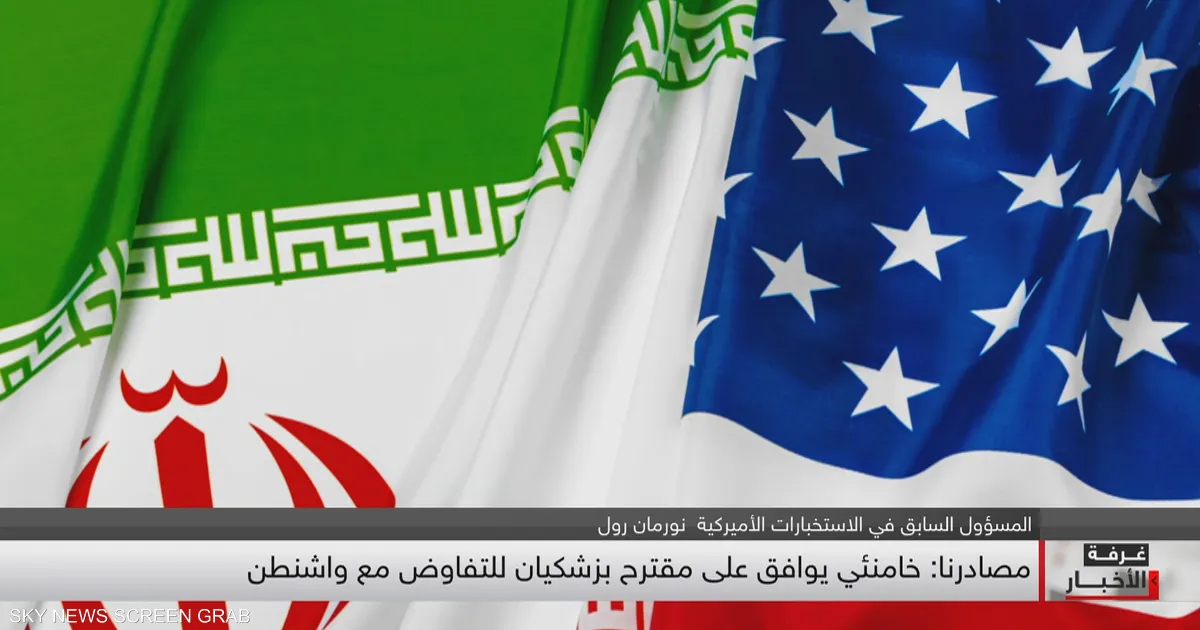
The Iraqi government faces significant challenges as it navigates ongoing regional tensions, caught between the United States and Iran. With authorities issuing only condemnation statements, the country's fate hinges on the outcomes of major negotiations.
A sense of anxiety prevails in Iraq, where pressures from the United States and Iran have intensified, exacerbating political and security situations. These pressures manifest in continuous violations of Iraqi sovereignty, both through military and political means, raising questions about the government's ability to make independent decisions.
Details of the Situation
The Iraqi arena witnesses escalating tensions between the United States and Iran, as both countries exchange accusations and work to bolster their influence in the region. The United States, aiming to reduce Iranian influence, continues to support Iraqi forces, while Iran responds by backing armed factions that promote its agenda in Iraq.
In this context, the Iraqi government has issued several condemnation statements regarding the violations of its sovereignty, yet it has not taken tangible steps to address these infringements. This situation turns Iraq into a battleground for major powers, complicating the political landscape further.
Background & Context
Historically, Iraq has suffered from multiple external interventions, starting with the American invasion in 2003, which led to the collapse of the previous regime, and culminating in the rise of Iranian influence in recent years. These interventions have significantly impacted Iraqi sovereignty, making the country a focal point for regional and international powers.
Moreover, the security situation in Iraq remains fragile, as armed groups continue to carry out operations, complicating the government's efforts to regain control. This historical context underscores the importance of national sovereignty as one of the most pressing issues facing Iraq today.
Impact & Consequences
The repercussions of the current situation extend beyond Iraq, affecting regional stability in general. The conflict between the United States and Iran in Iraq could lead to greater escalation, threatening security in neighboring countries and increasing the likelihood of new conflicts.
Furthermore, the ongoing violations of Iraqi sovereignty may weaken the government's capacity to implement economic and political reforms, negatively impacting citizens' lives. Consequently, the current situation requires the Iraqi government to take serious steps to protect its sovereignty and restore confidence in its ability to govern the country.
Regional Significance
The situation in Iraq exemplifies the challenges faced by many Arab countries amid regional conflicts. External interventions and internal divisions can exacerbate crises, necessitating Arab nations to work on enhancing their sovereignty and independence.
As a central state in the region, Iraq plays a vital role in achieving regional stability. Therefore, any deterioration in the Iraqi situation could affect neighboring countries, calling for coordinated Arab efforts to address these challenges.
In conclusion, Iraq stands at a crossroads, where the government must make decisive decisions to protect its sovereignty and restore stability. The current situation requires all stakeholders to work towards peaceful solutions that enhance Iraq's sovereignty and ensure its security and stability.