The Iraqi Oil Minister Hayan Abdul Ghani discussed with the Syrian Energy Minister Mohammad Bashir during a phone call ways to enhance cooperation between the two countries in the energy sector. The conversation focused on rehabilitating oil transport pipelines, primarily the Kirkuk-Banias pipeline, aiming to boost the export of Iraqi oil through Syrian territory.
Abdul Ghani emphasized the importance of this cooperation during the call, noting that it would not be affected by current circumstances or ongoing conflicts, but rather aims to develop bilateral relations in this vital field. The joint efforts aimed at starting the export of Iraqi oil through Syrian territory were also praised.
Details of the Discussion
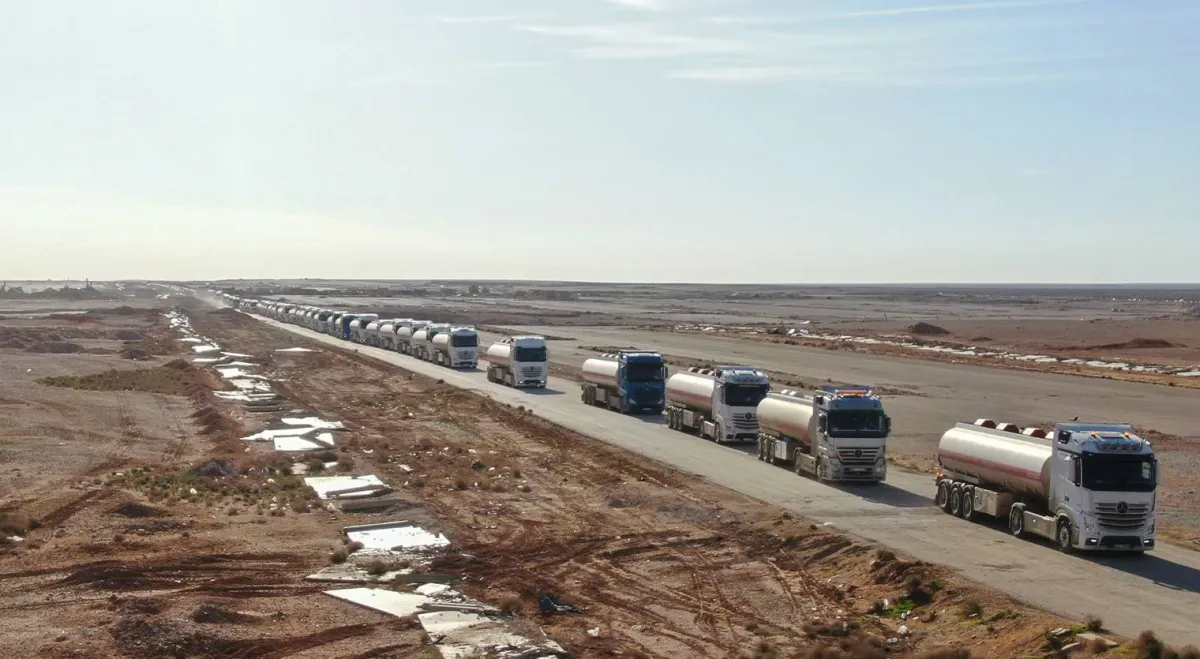
This discussion comes at a time when the region is witnessing significant transformations in the energy sector, with the Kirkuk-Banias pipeline representing one of the strategic projects that enhance Iraq's ability to export its oil to global markets. The first batches of Iraqi fuel have already been transported to the Banias refinery's tanks through the Tanf border crossing, where teams from the Syrian Petroleum Company began unloading operations to prepare the shipments.
This cooperation is part of both countries' efforts to enhance energy security and meet local needs, with discussions also covering the possibility of supplying household gas to Syria, reflecting both parties' desire to strengthen cooperation in various energy fields.
Background & Context
Historically, relations between Iraq and Syria have seen numerous fluctuations, but cooperation in the energy sector has always been pivotal. The Kirkuk-Banias pipeline is one of the vital projects linking the two countries, highlighting the importance of oil as a key economic resource. There is also increasing interest from the governments of both countries to enhance cooperation in light of the economic and political challenges facing the region.
In recent years, Syria has faced significant challenges in the energy sector due to the ongoing conflict, making cooperation with Iraq essential to meet its energy needs. Additionally, Iraq is seeking to increase its oil exports amid the economic challenges it faces, making this cooperation beneficial for both parties.
Impact & Consequences
The rehabilitation of the Kirkuk-Banias pipeline is considered a strategic step to enhance Iraqi oil exports, which could contribute to improving Iraq's economic situation. This cooperation may also assist Syria in meeting its energy needs, thereby enhancing its economic stability.
Furthermore, strengthening energy cooperation between Iraq and Syria could open new avenues for regional collaboration and enhance both countries' ability to face economic challenges. This cooperation may also contribute to improving relations between the two countries, potentially leading to greater stability in the region.
Regional Significance
This cooperation between Iraq and Syria represents a model for regional collaboration in the energy sector and may have positive effects on neighboring countries. Given the economic challenges faced by many Arab countries, enhancing cooperation in the energy sector can be an effective means of achieving stability and development.
The success of this cooperation may encourage other countries in the region to take similar steps, contributing to the enhancement of energy security in the Arab region as a whole. Ultimately, this cooperation represents a step towards achieving economic integration among Arab countries, benefiting their peoples.