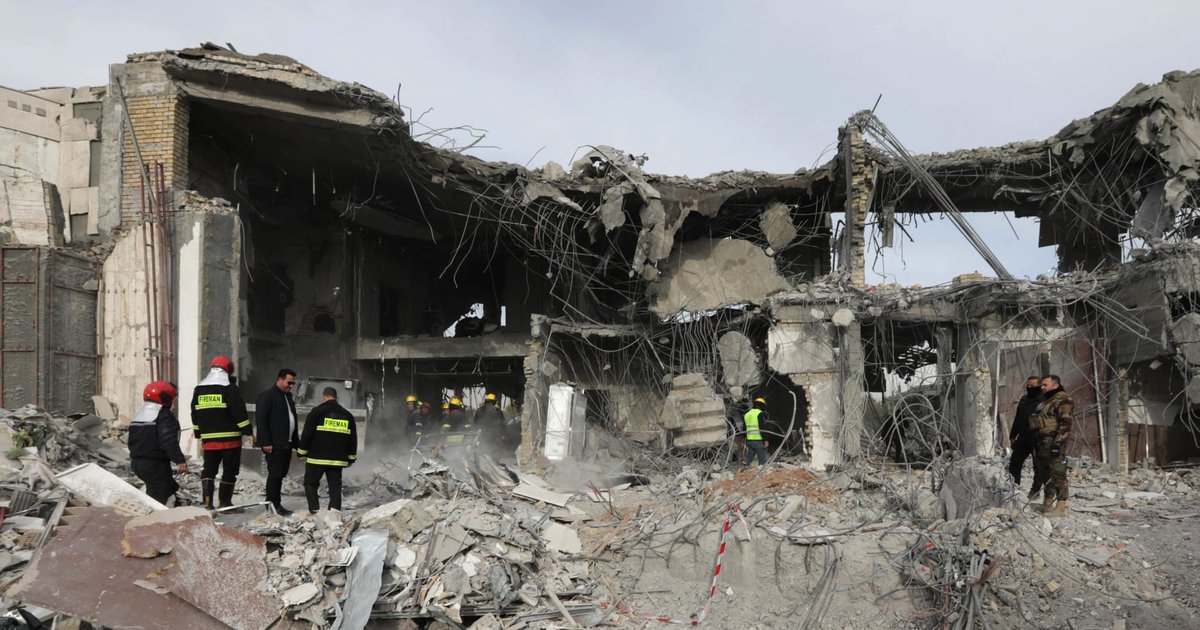
Iraqi air defenses successfully intercepted two attacks targeting a residential complex in Erbil, the capital of the Kurdistan Region of Iraq, reflecting rising security tensions in the area.
The attacks, which occurred late last night, resulted in material damage without any reported injuries. Local sources confirmed that Iraqi air defenses shot down several drones that were targeting the complex.
Details of the Incident
Reports indicate that the attacks were executed using drones, with the first targeting a densely populated residential area, while the second targeted a location near the complex. The Iraqi air defense system was activated swiftly, contributing to minimizing potential damages.
These attacks come at a sensitive time, as the region is witnessing escalating tensions among various armed factions, in addition to ongoing threats from ISIS. Images circulated on social media showed the destruction caused by the attacks, raising concerns among local residents.
Background & Context
Historically, Erbil, which is considered an important administrative and economic center in Iraq, has experienced numerous armed attacks, especially in recent years. This is attributed to ongoing conflicts among different political forces and armed factions, which have occasionally led to deteriorating security conditions.
In recent years, attacks on civilian areas have increased, reflecting the overall deterioration of the security situation in Iraq. Many observers have noted that these attacks may be linked to regional conflicts, as some powers seek to destabilize the region.
Impact & Consequences
The repercussions of these attacks extend beyond security dimensions, directly affecting the lives of civilians in the area. As attacks increase, so does the sense of fear and anxiety among residents, impacting their daily lives and disrupting economic activities.
Moreover, these attacks could affect the relations between the Iraqi government and the Kurdistan Region, as each side seeks to enhance its control and security. It may require the Iraqi government to take stricter measures to ensure the safety of citizens in the region.
Regional Significance
These events are indicative of rising security tensions in the region, raising concerns among neighboring Arab countries. Security in Iraq directly impacts the stability of the region as a whole, where security crises can lead to refugee flows and increased tensions between countries.
Additionally, the escalation of attacks may evoke memories of past conflicts in the region, prompting Arab countries to intensify their efforts to cooperate in security and counter-terrorism.
In conclusion, the situation in Iraq and the Kurdistan Region remains under close observation, as recent events require a swift and effective response from authorities to ensure the safety of citizens and the stability of the region.