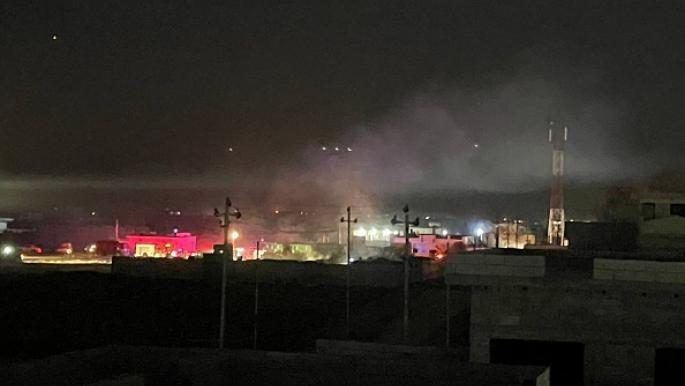
The Iraqi Air Force has carried out a series of airstrikes targeting sites associated with armed factions in Iraq, coinciding with a rise in attacks executed by these factions against civilian and military targets in various areas, including the capital Baghdad and the Kurdistan region.
These airstrikes are part of the Iraqi government's efforts to enhance security and stability in the country, as it seeks to confront the increasing armed activities that threaten public peace. Recent reports have noted a surge in attacks targeting civilians, raising concerns about the security situation in Iraq.
Details of the Event
In recent days, armed factions have executed coordinated attacks against multiple targets, prompting Iraqi forces to respond with airstrikes. These strikes have targeted locations considered strongholds of the armed factions, resulting in the destruction of several facilities used by these groups. It is believed that these operations are part of the Iraqi government's strategy to combat terrorism and reinforce state sovereignty.
These events coincide with rising tensions between the Iraqi government and armed factions, which the government accuses of threatening stability in the country. Iraqi officials have indicated that these factions exploit the fragile security conditions to carry out their attacks, necessitating strict measures against them.
Background & Context
Over the past few years, Iraq has witnessed an increase in armed activities, especially following the withdrawal of U.S. forces in 2011. These activities have led to chaos and unrest in many areas, making it challenging for the government to regain control over the security situation.
Historically, armed factions have played a significant role in the Iraqi conflict, being linked to numerous bloody events in the country. However, the recent surge in violence indicates a shift in security dynamics, calling for an immediate response from the Iraqi government.
Impact & Consequences
Analyses suggest that the continuation of these airstrikes and attacks may lead to further escalation in the conflict between the government and armed factions, which could negatively impact security and stability in Iraq. Additionally, the increase in violence may affect the humanitarian situation in the country, as many civilians suffer from the repercussions of these conflicts.
Moreover, these developments could influence relations between Iraq and its neighbors, as surrounding countries closely monitor the situation. Any escalation in the conflict could have regional repercussions, especially given the tense conditions in the area.
Regional Significance
The events in Iraq are part of a larger picture of conflict in the Arab region, where political and security interests intersect. The rise in violence in Iraq could affect stability in neighboring countries and increase tensions in other areas such as Syria and Lebanon.
Furthermore, the situation in Iraq may raise concerns about the resurgence of terrorist organizations, necessitating regional and international cooperation to address these challenges. Stability in Iraq is a crucial element for regional security, and any deterioration in conditions could negatively impact neighboring countries.
In conclusion, the situation in Iraq remains tense, with current security challenges requiring an immediate and effective response from the Iraqi government and the international community. The recent airstrikes represent a step in attempting to regain control over the situation, but the road to stability remains long.