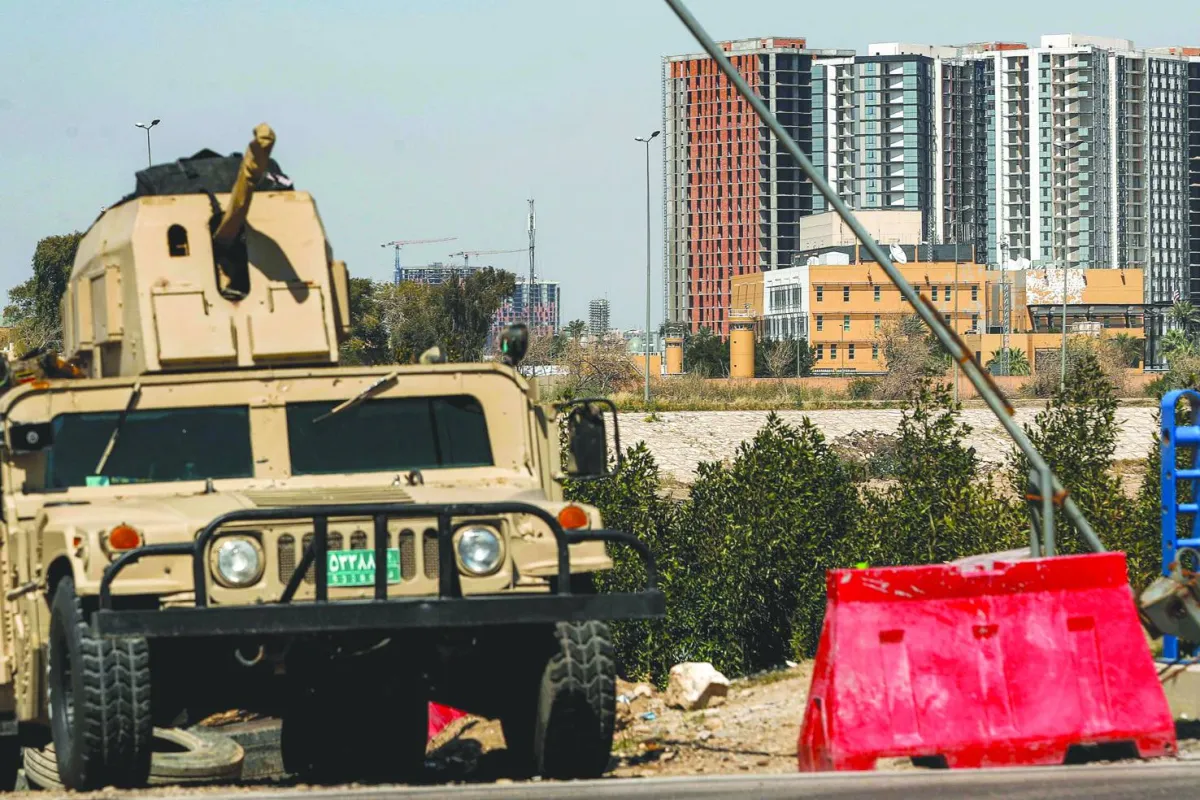
Iraqi armed factions announced early Wednesday the suspension of their operations in Iraq and the region for two weeks. This announcement was made in a brief statement issued by the factions that refer to themselves as 'Islamic Resistance in Iraq', raising questions about the reasons behind this decision and its potential implications.
In recent days, these factions have carried out hundreds of attacks using drones and missiles, targeting multiple sites in Iraq and the region. Among the targets of these attacks were the logistical support base for U.S. forces at Victoria Base in Baghdad International Airport, as well as U.S. barracks at Erbil Airport, Hariri Base, the U.S. Embassy building in Baghdad, in addition to the headquarters of Iranian opposition parties in both Erbil and Sulaymaniyah.
Details of the Event
This step comes amid rising tensions in the region, where the armed factions have carried out their operations as a reaction to rapidly evolving political and military events. These attacks have raised international concern, especially with increasing pressure on Iran from the United States and its allies.
It is noteworthy that the Iraqi armed factions are considered part of the political and military landscape in Iraq, playing an important role in the ongoing conflict between regional and international powers. These factions have demonstrated their ability to execute complex operations, reflecting a high level of organization and planning.
Background & Context
Historically, Iraq has witnessed multiple conflicts since the U.S. invasion in 2003, with armed factions emerging as a key force against the occupation. Following the withdrawal of U.S. forces, these factions continued to strengthen their presence, leading to overlapping interests with regional powers such as Iran.
In recent years, armed factions have increased their operations against U.S. forces, particularly after tensions escalated between the United States and Iran. These dynamics have contributed to creating a complex environment that requires a balanced political and military response from the Iraqi government.
Impact & Consequences
The suspension of operations is considered a strategic move that may reflect the factions' desire to reassess their position under current circumstances. This decision could help ease tensions in the region, but at the same time, it may be interpreted as a sign of weakness or a retreat from declared objectives.
This halt is likely to lead to a rearrangement of the dynamics between the armed factions and the Iraqi government, potentially opening the door for new negotiations or unexpected alliances. Additionally, this decision may affect relations between Iraq and Iran, especially amid increasing international pressure on Tehran.
Regional Significance
The implications of this decision extend beyond Iraq, as it could impact security conditions across the region as a whole. With ongoing conflicts in Syria and Lebanon, armed factions may find themselves compelled to reevaluate their strategies in the face of increasing challenges.
This development may also affect relations between Arab countries and Iran, as some nations seek to bolster their stability amid volatile conditions. Ultimately, the question remains about how this decision will influence the future of Iraq and the region as a whole.