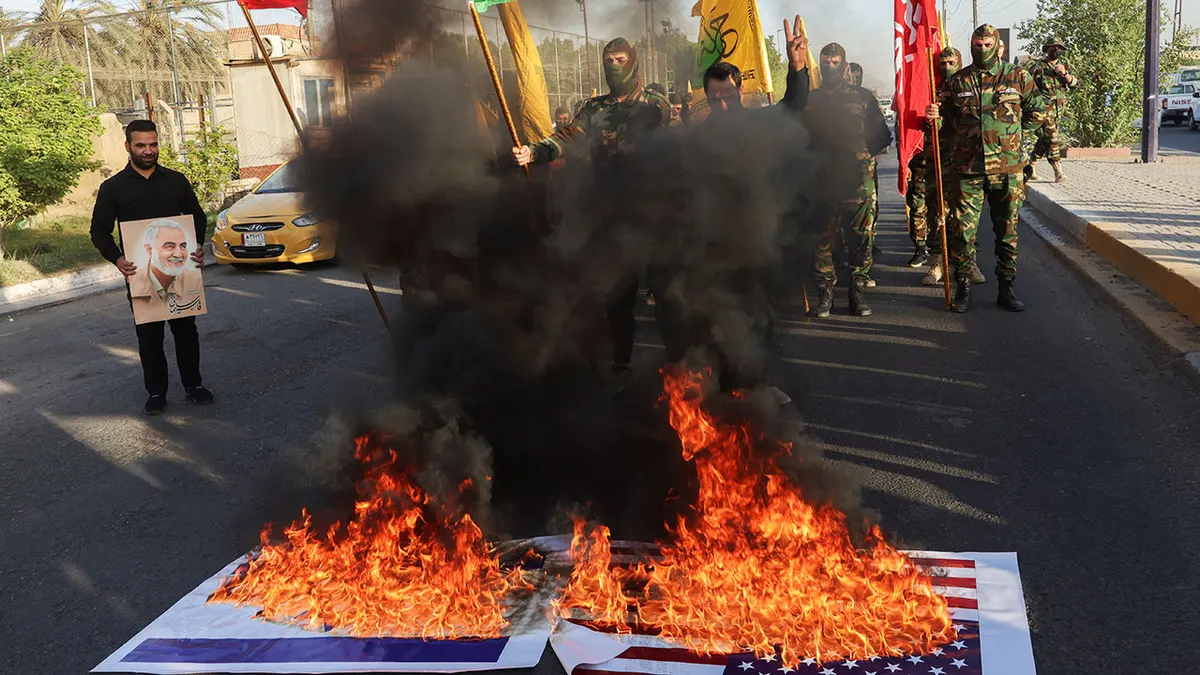
Iran-backed Iraqi armed factions, known as the 'Islamic Resistance in Iraq', have announced their decision to halt military operations targeting 'enemy bases' in Iraq and the region for a period of two weeks. This announcement comes after both the United States and Iran confirmed a ceasefire between them for the same timeframe.
In a brief statement published via their Telegram channel, the armed factions confirmed that they would cease the attacks that have been ongoing since the beginning of the conflict in the Middle East. This decision reflects a shift in the military strategy of these factions, which had intensified their operations recently.
Details of the Announcement
This move comes at a sensitive time in the region, where tensions between major powers in the Middle East are escalating. The armed factions, which receive support from Iran, have carried out numerous attacks against American forces and coalition troops in Iraq, exacerbating the conflict in the area.
The statement released by the armed factions did not clarify whether this halt is temporary or if there is an intention to change their strategy permanently. However, the timing of this announcement coincides with intensive diplomatic efforts between Washington and Tehran, which may indicate a desire to de-escalate tensions.
Background & Context
Historically, relations between Iran and the United States have been marked by severe tensions, especially following Washington's withdrawal from the nuclear agreement in 2018. Since then, attacks between the two sides have escalated, leading to military confrontations in Iraq and Syria. The armed factions in Iraq are considered part of this broader conflict, aiming to resist the American presence in the region.
In recent years, Iran-backed factions have increased their activity, frequently targeting American military bases in Iraq. This military escalation has significantly impacted the security situation in Iraq, leading to heightened tensions among various political and military factions within the country.
Impact & Consequences
The cessation of military operations could have multiple implications for the political and military landscape in Iraq. On one hand, it may be seen as a step towards calming the situation, providing an opportunity for diplomatic dialogue among the involved parties. On the other hand, it could be interpreted as a sign of weakness or retreat by the armed factions, potentially affecting their position in the future.
If this ceasefire continues, it may open the door for new efforts to rebuild trust among the various parties in Iraq, including the Iraqi government and the armed factions. However, the question remains about the sustainability of this halt, especially given the ongoing tensions in the region.
Regional Significance
This development could also impact the situations in neighboring countries, as any escalation in Iraq can reflect on conditions in Syria and Lebanon. The armed factions in Iraq have close ties with armed groups in these countries, making it difficult to separate events in Iraq from the broader regional context.
Ultimately, there is hope that this decision will lead to a calming of the situation in the region, but challenges remain. The tensions between major powers in the Middle East, along with the internal situations in Iraq, will continue to overshadow any efforts to achieve peace and stability.