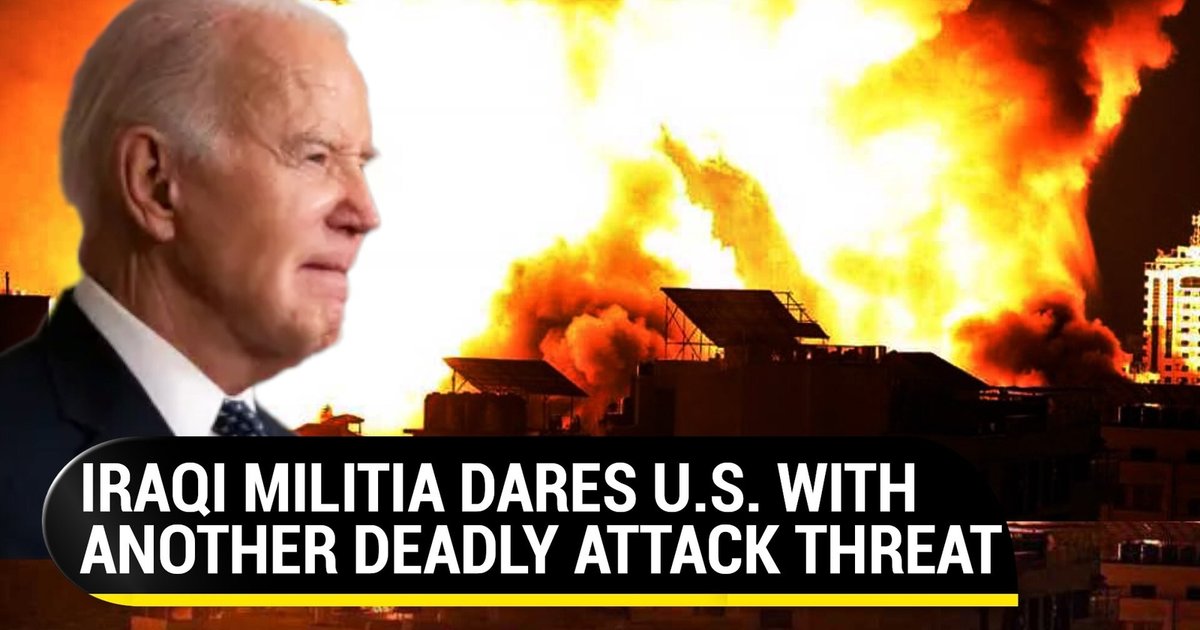
The Iraqi 'Islamic Resistance' factions have declared a halt to all military operations in the country and the region for a period of two weeks. This decision follows a night of military escalation in the capital, Baghdad, where the city witnessed a series of attacks that raised concerns among local and international authorities.
This move comes at a time when American officials have warned of the possibility of new attacks targeting their citizens and interests in Iraq. They indicated that the factions might be planning retaliatory operations, which heightens tensions in the region.
Details of the Incident
The operations of the factions reached a peak in recent days, with several attacks carried out on military and civilian targets. Hours before the announcement of the ceasefire, there were threats to target the Aqaba port, raising fears of a larger escalation in the regional conflict.
This ceasefire is considered an unexpected step, as the factions had previously confirmed their intention to continue operations until they achieve their objectives. However, it seems that international and local pressures have influenced their decision to cease attacks.
Background & Context
Historically, Iraq has witnessed an increase in violence since the withdrawal of American forces in 2011. Armed factions have contributed to the instability, leading to heightened tensions among various armed groups and the Iraqi government.
The 'Islamic Resistance' factions are part of the political and military landscape in Iraq, playing a significant role in combating American forces and Western interests. However, an escalation in military operations could provoke violent reactions from American forces, complicating the security situation in the country.
Impact & Consequences
This ceasefire could reduce tensions in Iraq, but it may be temporary. If American pressures continue, the factions might resume their operations with greater violence after the ceasefire period ends.
Moreover, the impact of these events extends to neighboring countries, potentially affecting the overall stability of the region. Security in Iraq is closely tied to security in countries like Syria and Iran, making any escalation in Iraq have wide regional repercussions.
Regional Significance
The events in Iraq are part of the larger picture of conflict in the Middle East, where international and regional interests intersect in complex ways. Any escalation in Iraq could increase tensions in neighboring countries such as Lebanon and Syria, where armed factions are linked to the Iraqi situation.
Ultimately, the situation in Iraq remains volatile and requires close monitoring by the international community. Stability in Iraq is key to achieving peace in the region, and all concerned parties must work towards that goal.