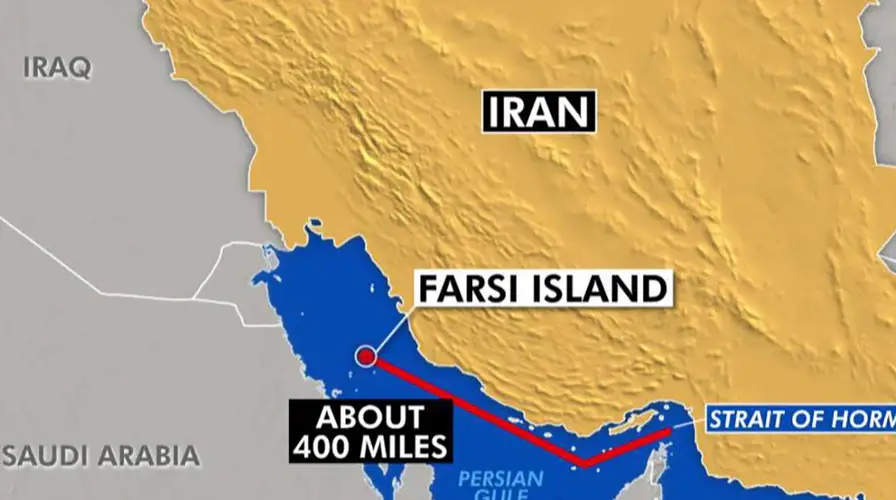
An Iraqi Suezmax oil tanker, carrying approximately 1 million barrels of Iraqi oil, departed the Arabian Gulf via a northern route in Iranian waters on Sunday morning, according to ship tracking data compiled by Bloomberg. This step comes at a critical juncture for the global oil market, where geopolitical tensions in the region are escalating.
This tanker is one of many vessels seeking to navigate the challenges associated with traditional oil transport routes. The data indicated that the tanker took an unusual path, suggesting changes in transportation strategies due to shifting conditions in global markets.
Details of the Event
Data released by Bloomberg tracked the movement of ships in the region, where the tanker was observed leaving the Arabian Gulf through Iranian waters. This maneuver reflects changes in the dynamics of maritime oil transport, especially in light of sanctions imposed on certain oil-producing countries.
The tanker, whose name has not been disclosed, is part of Iraq's efforts to boost its oil exports amid the economic challenges facing the country. Iraq aims to increase its oil production and expand its markets, making it reliant on new routes for oil transportation.
Background & Context
Historically, the Arabian Gulf has been a major hub for oil trade, through which vast quantities of crude oil pass. However, political tensions in the region, including disputes between Iran and the United States, have affected the movement of commercial vessels. In recent years, the area has seen an increase in incidents involving ships, prompting some companies to seek alternative routes.
Iraq, one of the largest oil producers in the world, faces multiple challenges related to political and economic stability. Under these circumstances, the Iraqi government is seeking to enhance its oil exports, which requires new strategies in transportation and marketing.
Impact & Consequences
The tanker’s exit from the Gulf through Iranian waters may have significant implications for the global oil market. This move could indicate a shift in transportation routes that may affect global oil prices. Additionally, this maneuver may also reflect Iraq's response to the economic and political challenges it faces.
Furthermore, the use of new routes could lead to increased competition among oil-producing countries, potentially impacting pricing and marketing strategies in global markets.
Regional Significance
This move is significant for the Arab region, as it reflects changes in the dynamics of the oil market. Arab oil-producing countries, such as Saudi Arabia and the UAE, may need to reassess their strategies in light of these changes. Additionally, tensions in the region could affect market stability, necessitating greater coordination among producing countries.
In conclusion, the Iraqi tanker’s departure from the Gulf through Iranian waters highlights the challenges and opportunities facing the oil industry in the region. These developments may impact prices and markets, warranting close monitoring by stakeholders in this sector.