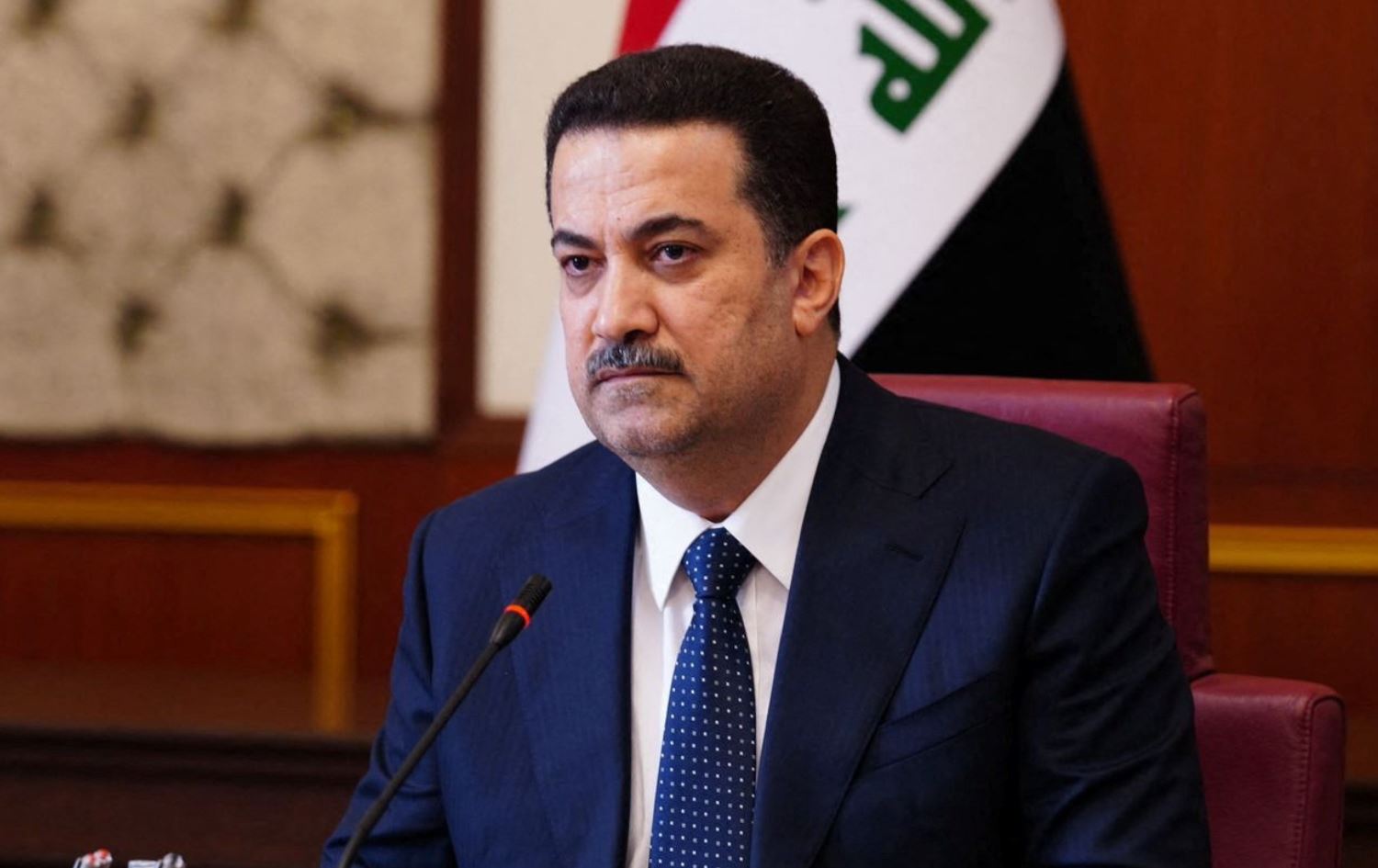
Iraqi Prime Minister Mohammed Shia' al-Sudani ordered on Thursday the implementation of maximum measures to pursue those involved in targeting vital institutions and diplomatic missions, as well as the kidnapping of foreign nationals. This directive was made during his visit to the headquarters of the Federal Intelligence and Investigations Agency at the Ministry of Interior, where he discussed ways to enhance security and protect diplomatic missions.
Al-Sudani, in his capacity as the Commander-in-Chief of the Armed Forces, emphasized the importance of intensifying security efforts to confront the threats faced by diplomatic missions, which represent an essential part of Iraq's international relations. He pointed out that these operations pose a threat not only to national security but also to regional and international stability.
Details of the Event
In a related context, a statement issued by the Prime Minister's media office indicated that al-Sudani stressed the necessity of coordination among various security agencies to pursue those involved in these crimes. He also highlighted the importance of enhancing cooperation with friendly countries to ensure the protection of diplomatic missions, especially given the current security conditions in the country.
This step comes after a series of incidents targeting diplomatic missions in Iraq, raising concerns in the international community and leading to calls for enhanced security in the country. Several countries have expressed their worries over the increase in these attacks, which could affect their relations with Iraq.
Background & Context
Historically, Iraq has witnessed numerous attacks on diplomatic missions, particularly after 2003. These attacks have increased in recent years, prompting many countries to take precautionary measures, including reducing the number of their diplomatic staff in Iraq. This situation reflects the security challenges faced by the Iraqi government in regaining control over the security situation in the country.
Moreover, these incidents occur at a sensitive time for Iraq, as it seeks to enhance its internal stability and improve its relations with the international community. Targeting diplomatic missions poses a significant challenge for the Iraqi government, which is striving to rebuild trust with other nations.
Impact & Consequences
Targeting diplomatic missions can lead to negative repercussions on Iraq's foreign relations, as countries may take stricter measures against Iraq, affecting investments and international aid. Additionally, these attacks could deteriorate the security situation in the country, increasing the suffering of citizens.
Furthermore, these incidents may lead to a decline in confidence in the Iraqi government's ability to protect its citizens and foreign residents, which could impact tourism and investment in the country. Enhancing security and protecting diplomatic missions is vital for maintaining Iraq's stability in the future.
Regional Significance
The events in Iraq have significant implications for the entire Arab region, as Iraq's stability directly affects regional security. Given the current tensions, any deterioration in the security situation in Iraq could have repercussions for neighboring countries, necessitating greater regional cooperation to address these challenges.
Moreover, targeting diplomatic missions may raise concerns among other countries in the region, potentially leading to increased security measures in those nations. Therefore, enhancing security in Iraq is a necessary step to ensure the stability of the entire region.
In conclusion, al-Sudani's directive to pursue those involved in targeting diplomatic missions is an important step toward enhancing security in Iraq. However, challenges remain, and continuous efforts are required to ensure the protection of vital institutions and diplomatic missions.