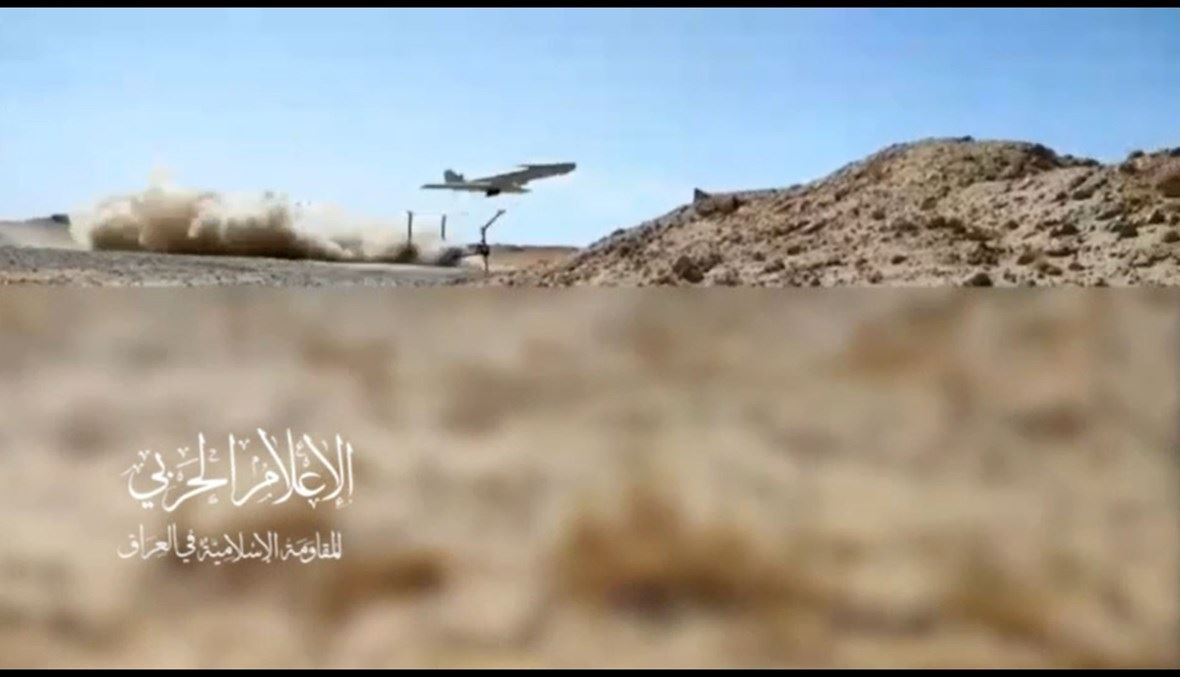
In a notable escalation of military activity against US forces in Iraq, Islamic resistance factions in Iraq confirmed that they executed 21 operations in the past 24 hours. These operations, which involved the use of drones and missiles, targeted what they refer to as "occupation bases" in Iraq and its regional extensions.
Additionally, the group reported that American forces have begun withdrawing from some of their military bases towards Jordan, asserting that they have accurate information regarding the movements of these forces. This announcement comes at a time when tensions are escalating in the region, particularly in Iraq, where US military bases are facing ongoing challenges from various armed groups.
The roots of the conflict with American forces in Iraq trace back to the period of the US occupation that began in 2003 when American troops overthrew Saddam Hussein's regime. Since then, the country has witnessed a series of civil wars and conflicts that have led to the emergence of armed groups demanding the exit of foreign troops. As violence escalated, resistance factions began to adopt a more organized approach, contributing to the formation of multi-party alliances targeting the American presence.
Over the years, these factions have become an influential part of the military and political landscape in Iraq, enjoying relative popular support due to their resistance against foreign occupation. These operations are not confined to Iraq; they also extend to neighboring regions where factions plan to execute operations to enhance their presence and influence in the area.
These operations reflect a shift in the military strategy of resistance factions, as they rely on modern technologies like drones, showcasing a significant evolution in their capabilities compared to the past. This change in military strategy also reflects the factions' response to technological developments that allow them to conduct attacks more accurately and effectively.
The implications of these events extend beyond Iraq, potentially exacerbating the security situation in the Middle East. Relations between the US and some Arab countries may be negatively affected amidst this escalation, as Iraqi factions renew their calls for action against the American presence. While there is concern over escalating violence, this could lead to increased support for Iranian-aligned armed groups, thereby heightening regional tensions.
It is important to note that the enduring results of military operations by resistance factions and their success in pushing American forces to withdraw could shape Iraq's future landscape, especially with the presence of a new national government striving for stability.
On another note, this event serves as a clear call for Arab countries to adopt clearer stances towards Western interventions in the region, as the risks lie in bolstering American military presence and its implications for Arab national security. These operations could have strategic ramifications for negotiations and regional consultations, prompting a reconsideration of how to engage with major powers and what these operations might mean for resistance factions in neighboring countries.
In conclusion, the rise in attacks by Iraqi resistance factions presents a strong display of the challenges faced by American forces in the region and serves as a renewed invitation to rethink the security and political dimensions of foreign military presence in the Middle East.