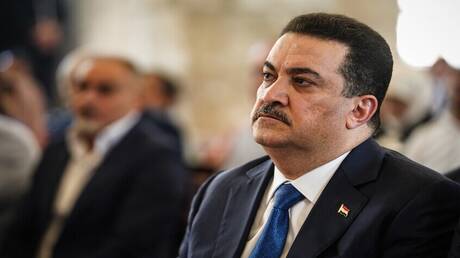
The Iraqi National Security Council convened an emergency meeting chaired by Prime Minister Mohammed Shia' al-Sudani, where three new decisions were made, the most notable being the principle of the right to respond to military attacks. These decisions come at a sensitive time as the country witnesses escalating security tensions, reflecting the government's commitment to protecting Iraq's sovereignty and the security of its citizens.
The meeting, held in Baghdad, followed a series of military attacks on Iraqi territory, prompting the government to take urgent steps to ensure an appropriate response to these threats. It was emphasized during the meeting the necessity of enhancing the defensive capabilities of the Iraqi armed forces and activating rapid response mechanisms to any future attacks.
Details of the Meeting
During the meeting, the current security situation in Iraq was discussed, reviewing recent attacks on several areas, including assaults carried out by armed groups. The Prime Minister highlighted the importance of coordination among various security agencies to ensure an effective and swift response.
Moreover, there was a consensus on the need to strengthen cooperation with international forces present in Iraq, ensuring the achievement of security and stability in the region. The ministers participating in the meeting expressed their full support for the decisions made, stressing the importance of collective action to confront security challenges.
Background & Context
Historically, Iraq has witnessed numerous security tensions due to internal conflicts and external interventions. Since 2003, the country has faced significant challenges in restoring security and stability, with a rise in terrorist activities and armed assaults. These conditions have led to a division within Iraqi society and an increase in sectarian tensions.
In recent years, the Iraqi government has attempted to bolster its military capabilities; however, challenges remain. The decision by the National Security Council comes in the context of the government's efforts to enhance its sovereignty and restore confidence in its security institutions.
Impact & Consequences
The decisions made by the National Security Council are considered an important step towards enhancing security in Iraq. The right to respond to military attacks may contribute to deterring any future assaults and reflects the government's will to protect the country's sovereignty.
However, these decisions may provoke mixed reactions from armed groups, potentially leading to heightened tensions. The government must be prepared to address any repercussions that may arise from these decisions, including the need to enhance dialogue with various parties in the political arena.
Regional Significance
The security developments in Iraq are of great importance to the Arab region as a whole. Security and stability in Iraq directly affect neighboring countries, as any escalation in tensions could negatively impact regional security.
Additionally, enhancing the Iraqi armed forces and their response capabilities may encourage other countries in the region to take similar steps to bolster their defenses. At the same time, the international community must closely monitor the situation to ensure that security conditions do not worsen in Iraq and the region.
In conclusion, the decisions made by the National Security Council represent a step towards enhancing security in Iraq, but they require careful monitoring and ongoing coordination to achieve the desired objectives.