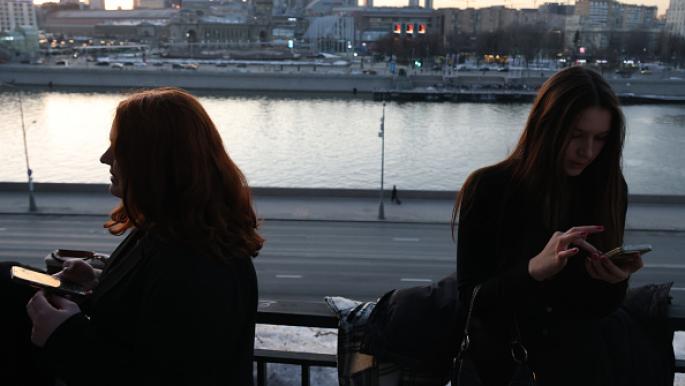
Russia is experiencing mounting pressure as online communication options narrow, with authorities seeking to enhance control over the information available to citizens. These policies have increasingly isolated the Russian people from the outside world, raising fears that the country may evolve into a model similar to that of North Korea.
In recent years, the Russian government has taken several steps to limit access to the global internet, imposing restrictions on numerous websites and services. These measures come at a time when the country is witnessing escalating political tensions, heightening citizens' concerns regarding freedom of expression and access to information.
Details of the Situation
The measures implemented by the Russian government include blocking popular social media platforms such as Facebook and Twitter, in addition to imposing strict censorship on local content. These steps reflect the government's desire to control the information circulated among citizens, thereby reducing opportunities for communication with the outside world.
Moreover, laws have been strengthened that criminalize the dissemination of information deemed inappropriate by the government, increasing the risks faced by journalists and activists. In this context, many are questioning the future of freedom of expression in Russia and how these policies will impact citizens' daily lives.
Background & Context
Historically, Russia has always sought to control information, but these efforts have significantly intensified since 2014, when it annexed Crimea. Since then, the government has taken more stringent steps regarding the internet, establishing a special system known as the “sovereign internet”, aimed at reducing reliance on global networks.
This system involves creating a dedicated infrastructure that allows the government to monitor data traffic within the country, making it difficult for citizens to access external information. These policies align with global trends towards increased internet censorship, but in Russia's case, they take on a more extreme character.
Impact & Consequences
The isolation of Russia from the global internet has serious implications for Russian society. With increasing censorship, citizens face difficulties in obtaining reliable information, leading to the spread of fake news and rumors. Additionally, this isolation could impact the Russian economy, as many businesses rely on the internet to communicate with clients and partners abroad.
Furthermore, this isolation may lead to growing discontent among citizens, especially among the youth who view the internet as a primary means of communication and expressing their opinions. This discontent could escalate over time, potentially resulting in protests or social movements against the government.
Regional Significance
Russia's experience with internet isolation serves as an important lesson for Arab countries facing similar challenges. Many of these nations seek to enhance control over information, raising concerns about freedom of expression and human rights. These policies may also affect relations between Arab countries and Western nations, especially amid international pressures for increased transparency and media freedom.
In this context, Arab countries should learn from Russia's experience and strive to achieve a balance between national security and freedom of expression to ensure a better future for their citizens.