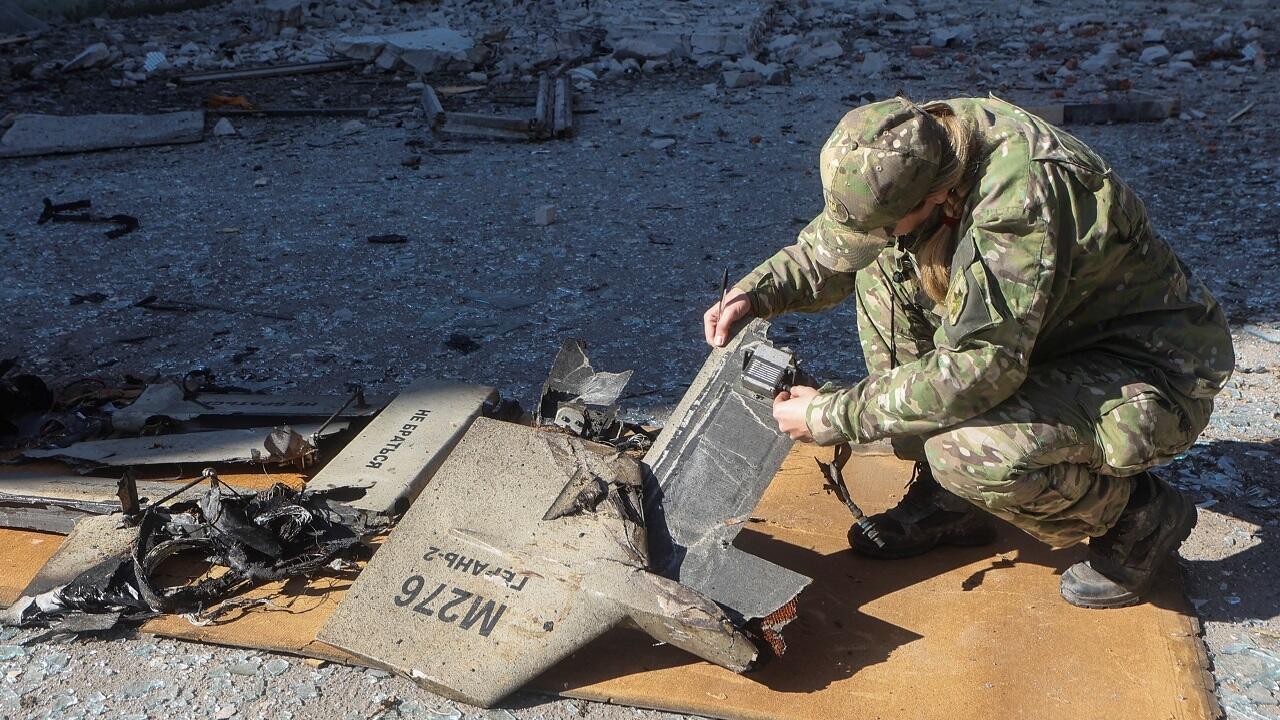
Amid increasing global conflicts, the discussion surrounding what is known as "global drone warfare" has gained significant importance. Douglas MacKinnon, a former White House and Pentagon official, stressed the necessity of assessing the United States' capability to compete with other nations in the field of drones. In an opinion piece published on The Hill, he expressed concerns about rapid developments in this area, noting that America may be lagging behind countries such as China, Russia, and Iran regarding their drone fleets.
MacKinnon analyzed Iranian missiles, pointing out that they have launched over 500 ballistic missiles and roughly 2,000 drones towards Israel and U.S. military bases in the region. This led to the depletion of over 800 Patriot missiles in just three days, a figure exceeding what Ukraine received in missile support from its allies over four years of war. From this, MacKinnon concludes that the use of extremely expensive interceptor missiles to combat cheap drones indicates that the United States may be on the losing side of this equation.
He highlighted that the capabilities of other countries to manufacture larger and more powerful drones at low costs are a concerning reality. Countries including China, Russia, and Iran are capable of producing drones that can carry heavier munitions and operate at greater altitudes and distances, thereby increasing the challenges for the United States.
The article also reviewed the U.S. military history of using drones, emphasizing that they were previously utilized for intelligence and military operations in various conflicts. While drones operated across borders to gather information and destroy missile launch platforms, Iran managed to shoot down about ten of them, raising questions about the effectiveness of this strategy.
As the United States continues its efforts to keep pace with new developments in this field, the question remains whether it still considers itself the global leader in drone technology. With increasing competition, the U.S. faces pressure to enhance its drone fleet and adapt to the new dynamics of modern warfare.
In a related context, the article highlights the importance of the U.S. recognizing the level of military technology achieved by its adversaries and the necessity for innovation to ensure its superiority in the future. This warning is not merely a call for assessment but a plea for a shift in defensive strategies.
These issues are intricate and intertwined, yet the most pressing questions remain. Can the American side adapt to the new drone warfare, or will it face challenges in confronting adversaries relying on this advanced technology?
The implications of this issue extend beyond the military level, encompassing politics, economics, and daily life in societies, requiring greater awareness from the international community about the importance of these developments and their impact on global peace and security.