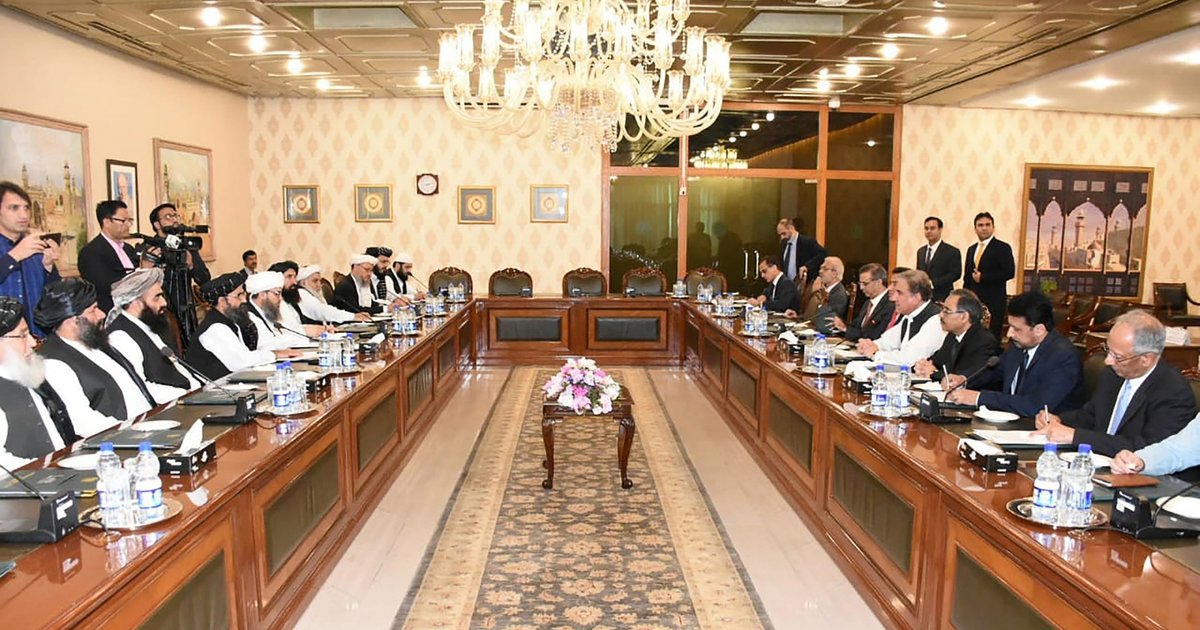
Islamabad is striving to enhance its role in peace talks between the United States and Iran, emerging as a potential mediator amid growing relations with both parties. This move comes at a crucial juncture, where regional tensions are escalating, making effective diplomatic channels essential.
All eyes are on Islamabad, which hopes to seize this opportunity to bolster its regional and international standing. However, the risks are significant, as it may face severe consequences if these efforts do not succeed.
Details of the Initiative
The Pakistani government is looking to capitalize on its warm relations with both President Donald Trump and the Tehran regime, as both sides seek diplomatic solutions to the multiple crises they face. Pakistan has shown its willingness to play the role of mediator, reflecting its desire to improve relations with major powers.
This step comes at a time when the world is witnessing increasing tensions between the United States and Iran, especially following Washington's withdrawal from the Iranian nuclear deal. Pakistan has expressed interest in mediating these talks, indicating its commitment to enhancing regional stability.
Background & Context
Historically, Pakistan has played a pivotal role in regional politics, often at the heart of tensions between major powers. However, the strained relations between the United States and Iran have placed Pakistan in a sensitive position. In recent years, Islamabad has sought to improve its relations with Tehran, particularly in light of shared security challenges.
Pakistan, as a neighbor to Iran, has a long history of cooperation in various fields, including trade and security. However, relations between Islamabad and Washington have seen fluctuations, making it imperative for Pakistan to navigate this context with caution.
Impact & Consequences
If Pakistan succeeds in playing the role of mediator, it could enhance its image on the international stage and solidify its position as a supporter of peace and stability in the region. However, failure in these efforts could lead to dire consequences, including a deterioration of relations with both parties.
Concerns are growing that any failure in negotiations could escalate tensions in the region, negatively impacting regional security. Additionally, any escalation may affect the Pakistani economy, which heavily relies on regional stability.
Regional Significance
The relations between the United States and Iran are a pivotal issue affecting security and stability in the Arab region. If Pakistan succeeds in facilitating dialogue between the two sides, it could lead to a de-escalation of tensions in the Middle East, benefiting Arab nations that are suffering from the repercussions of these tensions.
Moreover, improving relations between the United States and Iran could open new avenues for cooperation in various fields, including economics and security, benefiting all parties involved.
In conclusion, Pakistan's role as a mediator in peace talks between the United States and Iran could have far-reaching implications for security and stability in the region. However, the risks associated with this role require significant caution from Islamabad, as failure in these efforts could lead to severe consequences.