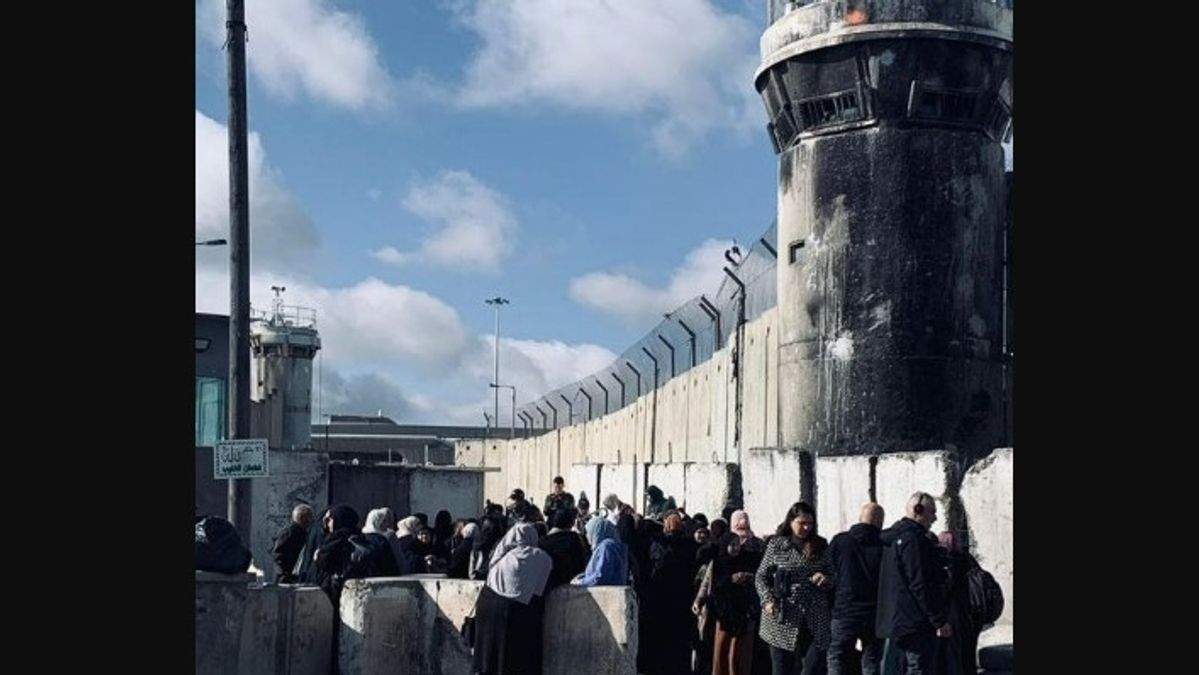
Foreign ministers from a group of Islamic countries, including Indonesia, Egypt, Jordan, Pakistan, Qatar, Saudi Arabia, and Turkey, have strongly condemned the restrictions imposed by Israel on freedom of worship in the occupied city of Jerusalem. This condemnation was articulated in a joint statement issued by the Indonesian Foreign Ministry, where the ministers underscored the necessity of respecting the rights of religions to access holy sites.
In the statement, the ministers emphasized that the Israeli measures, which include preventing Muslims from entering the Al-Aqsa Mosque area, represent a blatant violation of international law and human rights. The closure of the Al-Aqsa Mosque lasted for 30 consecutive days, including during the holy month of Ramadan, which sparked widespread outrage in the Islamic world.
Details of the Event
The ministers pointed out that the Israeli actions constitute an infringement on the legal and historical status of Jerusalem, where the Al-Aqsa Mosque is considered a place of worship exclusively for Muslims. It was emphasized that all parts of the Haram al-Sharif complex, which spans approximately 144 dunams, should remain open to Muslims without any restrictions.
The ministers also called on Israel to lift all restrictions imposed on access to the Al-Aqsa Mosque, stressing that these measures threaten regional and international peace and security. They affirmed that the administration of the area falls under the authority of the Islamic Waqf in Jerusalem, which is affiliated with the Jordanian Ministry of Awqaf and Islamic Affairs.
Background & Context
The roots of the conflict over Jerusalem extend back decades, as the holy city is considered a significant religious and cultural center for both Muslims and Christians. With rising tensions in recent years, Israeli restrictions on freedom of worship have increased, leading to angry reactions from Islamic countries and the international community.
Jerusalem, which contains numerous sacred religious sites, has witnessed many historical events that have shaped the Arab-Israeli conflict. Since the Israeli occupation of East Jerusalem in 1967, the city has become a focal point of conflict between Palestinians and Israelis, complicating the existing situation further.
Impact & Consequences
The Israeli restrictions on worship in Jerusalem are a clear violation of international law and could lead to escalating tensions in the region. The continuation of these policies may contribute to increased resentment between Palestinians and Israelis, threatening peace efforts in the area.
Moreover, international reactions to these measures could affect relations between Israel and Islamic countries, potentially leading to further isolation for Israel on the international stage. Such circumstances may require action from the international community to pressure Israel to halt these violations.
Regional Significance
These events hold significant importance for Arab countries, reflecting the ongoing challenges they face in supporting Palestinian rights. Any violation of freedom of worship in Jerusalem affects the sentiments of Arabs and Muslims worldwide, reinforcing Arab and Islamic solidarity.
In light of these circumstances, Arab countries must adopt a unified stance to confront these violations and work towards supporting Palestinian rights to worship freely and access holy sites. Strengthening cooperation among Islamic countries could contribute to achieving positive outcomes on the ground.