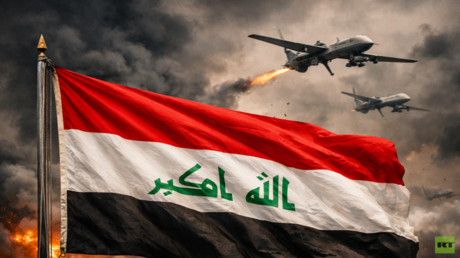
The Islamic Resistance in Iraq announced on Saturday evening that it had executed 41 military operations in the past 24 hours, targeting occupation bases in Iraq and other regions. The operations involved the use of dozens of drones and missiles, reflecting a significant escalation in the military activities of the resistance.
These operations come at a time of increasing tensions in Iraq, where the resistance seeks to assert its capability to carry out complex operations against foreign forces. The resistance's statement indicated that these operations were a response to what it described as ongoing violations by the occupation.
Details of the Operations
According to the statement from the resistance, the operations were carried out in multiple areas, targeting military bases housing foreign troops. The resistance utilized modern techniques in executing these operations, demonstrating the evolution of its military capabilities. Reports indicated the destruction of several military vehicles used by the occupying forces.
Through these operations, the resistance aims to send a strong message that it remains capable of confronting the occupation, despite the political and military pressures it faces. Videos showcasing some of these operations have circulated on social media, intensifying the debate surrounding the security situation in Iraq.
Background & Context
Historically, Iraq has witnessed a surge in military activities by armed groups, especially following the American invasion in 2003. These activities have led to the formation of new alliances among armed groups, including the Islamic Resistance. These operations are considered part of the ongoing conflict between these groups and the foreign forces present in the country.
In recent years, tensions have escalated between the Islamic Resistance and American forces, particularly after the withdrawal of U.S. troops from Iraq. The resistance has deemed the presence of any foreign troops as occupation, justifying military operations against them.
Impact & Consequences
These operations indicate a potential escalation in the military conflict in Iraq, which could lead to increased tensions between the Iraqi government and armed groups. Additionally, these operations may affect relations between Iraq and foreign countries, especially the United States, which considers its presence in Iraq part of counter-terrorism efforts.
Moreover, these activities could exacerbate the security situation in Iraq, increasing civilian suffering and impacting stability in the region. Foreign forces are expected to respond to these operations by increasing their military presence, potentially leading to a cycle of violence.
Regional Significance
The military operations of the Islamic Resistance in Iraq serve as an indicator of escalating armed conflicts in the region, which could affect neighboring countries. The increase in military activities may have security repercussions in countries like Syria and Iran, which are also experiencing tensions with American forces.
Furthermore, these operations may inspire other armed groups in the region, raising the likelihood of escalating armed conflicts in other countries. Under these circumstances, the situation in Iraq remains a significant concern for the international community, which seeks to achieve stability in the region.
In conclusion, developments in Iraq continue to attract global attention, as these operations indicate the ongoing conflict between the Islamic Resistance and foreign forces, raising questions about the future of security and stability in the country.