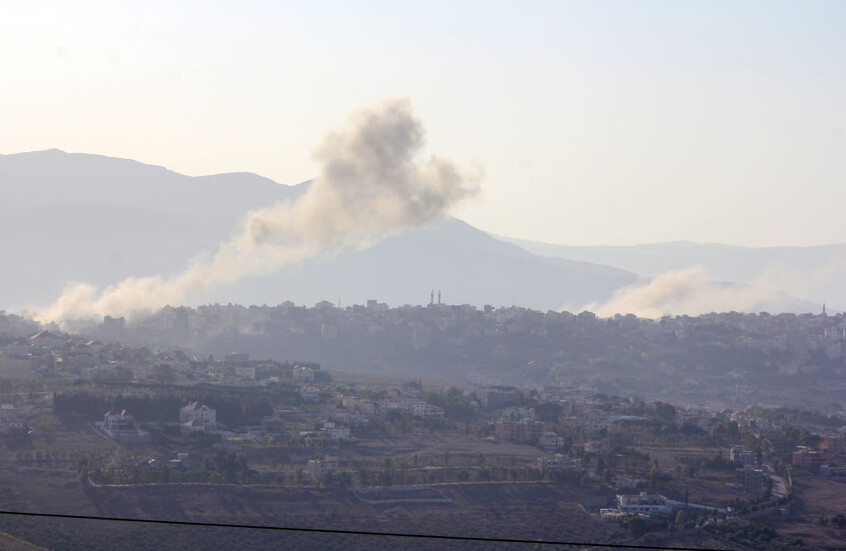
The Islamic Resistance in Iraq has announced in a statement that it has carried out 23 military operations in the past 24 hours, targeting what it described as 'enemy bases' throughout the country. These operations occur in the context of escalating security tensions in Iraq, as armed groups seek to enhance their presence and influence amid complex political conditions.
These operations are distributed across multiple regions, indicating a coordinated strategy aimed at weakening Iraqi security forces and strengthening the influence of armed groups. The operations were carried out at various times of the day, reflecting a high level of coordination and the ability to move quickly.
Details of the Operations
The operations executed by the Islamic Resistance included attacks on military checkpoints and sites belonging to security forces. Reports indicate injuries among government forces, but no precise details regarding the numbers have been provided. Additionally, no official entity has announced immediate reactions to these operations, leaving room for speculation about their implications.
These operations come at a time when Iraq is experiencing a state of political and security instability, as the government attempts to regain control over deteriorating security conditions. Observers have noted that these operations could lead to a new escalation in the conflict between armed groups and government forces.
Background & Context
Historically, Iraq has witnessed a rise in the activity of armed groups since the American invasion in 2003, with these groups exploiting the political and security chaos to enhance their influence. Following the withdrawal of American forces, these groups began to carry out military operations against Iraqi security forces, exacerbating the security situation in the country.
In recent years, military activities by armed groups have increased, especially after the emergence of the Islamic State (ISIS), which took advantage of the weak security conditions in Iraq. Following ISIS's defeat, armed groups attempted to reorganize and carry out operations targeting government forces.
Impact & Consequences
These operations could lead to an escalation of violence in Iraq, complicating the government's efforts to regain control over security conditions. The increase in military activities by armed groups may also place additional pressure on the Iraqi government, potentially negatively impacting the country's stability.
Furthermore, these operations may affect relations between Iraq and neighboring countries, especially amid ongoing tensions in the region. Neighboring countries may express concern over the rising violence in Iraq, which could lead to external interventions or support for certain groups.
Regional Significance
The events in Iraq are part of the larger picture of regional security in the Middle East. The rise in military activities by armed groups in Iraq could impact the situation in neighboring countries such as Syria and Iran. Moreover, the stability of Iraq is vital for regional security, as any escalation of violence could lead to undesirable repercussions in the region.
In conclusion, the situation in Iraq remains tense, with armed groups seeking to enhance their presence in the absence of political and security stability. The operations announced by the Islamic Resistance indicate significant challenges facing the Iraqi government in its efforts to regain control over the situation, necessitating greater international attention to assist Iraq in achieving stability.