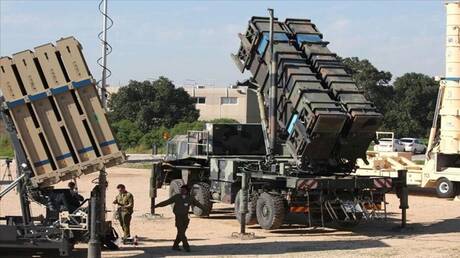
The Israeli Ministry of Defense has announced the acceleration of production for the Arrow ("Aero") interceptors, aiming to bolster defense capabilities against the growing ballistic threats from Iran and Yemen. This initiative is part of escalating military preparations in the region, as Israel seeks to enhance its national security amid increasing tensions.
The Arrow missiles are considered advanced defense systems developed to counter ballistic threats, characterized by their ability to intercept hostile missiles at various stages. The Ministry of Defense confirmed that this acceleration in production is a response to the increasing security challenges faced by Israel, particularly in light of the military escalation in the region.
Details of the Initiative
The Israeli Ministry of Defense clarified that the rapid production of Arrow missiles is part of a comprehensive plan to enhance defense capabilities. An additional budget has been allocated for this purpose, reflecting the Israeli government's commitment to strengthening national security. New tests for the missiles have also been announced to ensure their effectiveness against the rising threats.
These developments come at a time when the region is witnessing an escalation in military activities, with increased missile attacks from armed groups in Yemen raising Israel's concerns about its security. Israeli officials indicated that this step aims to deter any potential threats from Iran and its allies in the region.
Background & Context
Historically, relations between Israel and Iran have been marked by increasing tensions, with Iran being regarded as one of the primary security threats to Israel. Iran has developed an advanced missile program, prompting Israel to enhance its defenses. Ongoing conflicts in Yemen and Syria have further complicated the security landscape in the region.
The Arrow missiles are part of Israel's air defense system, which also includes the Iron Dome system. These systems have proven effective in countering missile threats, reflecting the technological advancements achieved by Israel in this field.
Impact & Consequences
This move may lead to heightened tensions in the region, as Iran and its allies could perceive an increasing threat from Israel. This could escalate hostilities, threatening regional stability. Additionally, the enhancement of Israeli defense capabilities may prompt other countries in the region to bolster their military programs, increasing the arms race.
Conversely, this step could strengthen Israel's position in any future negotiations regarding regional security. These defense capabilities could be seen as leverage in discussions related to stability in the region.
Regional Significance
These developments are of significant importance to Arab countries, as they may affect security balances in the region. Some Arab nations may feel the need to enhance their defense capabilities in response to the increasing threats. The military escalation in the region could also impact relations between Arab states and Iran, complicating the political landscape further.
In conclusion, this Israeli move reflects the increasing security challenges facing the region and highlights the importance of enhancing defense capabilities amid rising tensions. These dynamics are expected to continue influencing regional security in the near future.