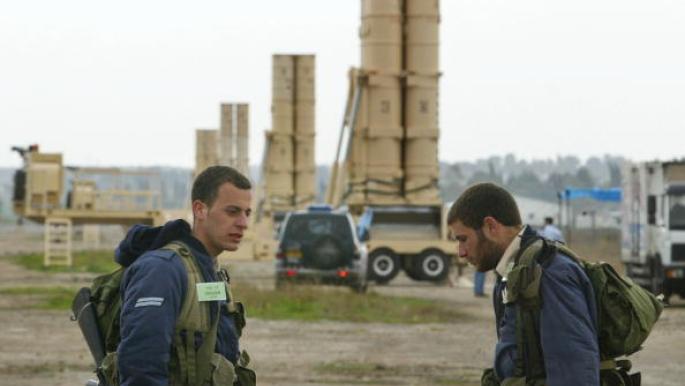
In a strategic move aimed at bolstering Israel's defense capabilities, the Israeli security cabinet has approved a plan from the Ministry of Defense to further accelerate the production of Arrow interceptor missiles. This decision comes at a time when the security situation in the region is increasingly tense, necessitating the enhancement of air defenses.
The Arrow system is one of Israel's most prominent defense systems, designed to intercept ballistic missiles and drones. This system has proven its effectiveness in numerous previous military operations, making it a cornerstone of Israel's defense strategy.
Details of the Decision
Reports indicate that the security cabinet approved the new production plan after extensive discussions regarding potential security threats. The plan includes an increase in the number of missiles produced, along with technical improvements aimed at enhancing the system's effectiveness. An additional budget has also been allocated to support this project, reflecting the Israeli government's commitment to strengthening its military capabilities.
This move comes at a sensitive time, as tensions in the region have escalated with increased military activities from neighboring countries. Strengthening defense capabilities is considered part of Israel's strategy to counter any potential threats, whether from states or armed groups.
Background & Context
The Arrow system was developed in collaboration with the United States and is part of a multi-layered defense system that also includes systems like the Iron Dome and David's Sling. Together, these systems represent a comprehensive strategy aimed at protecting Israeli airspace from various threats.
Historically, Israel has experienced several wars and military conflicts that have led to the development of advanced defense strategies. The increasing threats from certain countries and armed groups have driven the Israeli government to invest in modern military technology.
Impact & Consequences
Accelerating the production of Arrow missiles may alter the balance of power in the region. This decision is expected to provoke reactions from neighboring countries and could lead to a new arms race in the area. Additionally, enhancing defense capabilities may be perceived as a threat by some nations, further escalating tensions.
Domestically, this decision may face criticism from certain political and social circles in Israel, which may argue that the focus on armament should be accompanied by efforts for peace and stability in the region. However, the Israeli government emphasizes the importance of security as a top priority.
Regional Significance
This move reflects the security challenges faced by neighboring Arab countries, which may lead them to reassess their defense strategies. Some nations are likely to seek to enhance their military capabilities in response to the increasing threats.
In a related context, these developments could impact relations between Israel and Arab countries, as the changing security situation necessitates a reevaluation of cooperation and regional security policies. Furthermore, this step may affect peace efforts in the region, as it will bolster Israel's military position.
In conclusion, Israel's plan to accelerate the production of Arrow interceptor missiles reflects the complex security challenges facing the region and highlights the importance of enhancing defense capabilities in the context of rising tensions. It remains to be seen how these developments will influence regional dynamics in the future.