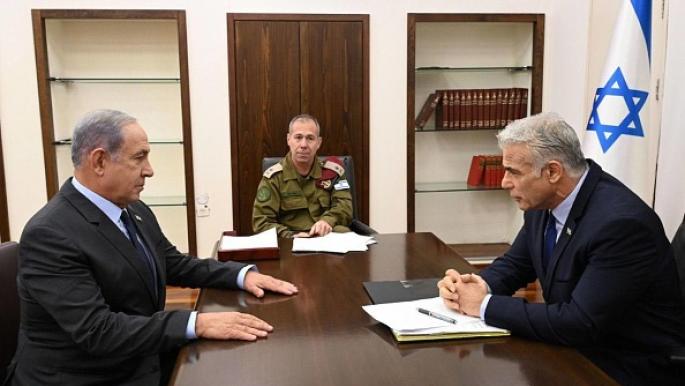
Israel has announced its acceptance of a ceasefire with Iran, in a move that could be seen as a significant development in the relations between the two parties. However, several key issues remain unresolved, raising concerns in Tel Aviv about the future of this agreement.
The unresolved issues pertain to the Iranian nuclear file, as Israel continues to express its fears regarding Iran's ability to develop a nuclear weapon. Additionally, the matter of ballistic missiles remains a focal point, as these missiles are considered a direct threat to Israeli security.
Details of the Event
As Iran seeks to bolster its regional position, Israel is closely monitoring developments related to potential agreements. Israeli officials have indicated that the ceasefire could be a step towards temporary stability, but it does not address the core issues that pose a threat to national security.
Other concerns for Israel include the sanctions imposed on Iran, which may affect its ability to continue its military programs. Furthermore, the future of the northern front, which includes borders with Lebanon and Syria, remains a sensitive point in Israeli-Iranian relations.
Background & Context
Historically, relations between Israel and Iran have been tense, with Israel viewing Iran as an existential threat. Recent years have seen an escalation in tensions, particularly following the United States' withdrawal from the Iranian nuclear deal in 2018. This withdrawal led to the reimposition of economic sanctions on Iran, complicating the situation further.
In this context, Iran is seeking to enhance its regional influence by supporting armed groups in the area, which increases Israel's concerns. Additionally, tensions between Iran and the United States play a significant role in shaping Israeli-Iranian relations.
Impact & Consequences
These developments are of great importance to the region, as they could affect overall regional stability. If Israel and Iran continue to exchange threats, this could lead to potential military escalation, threatening security in the Middle East.
Moreover, these issues may impact relations between Arab states and Iran, as some Arab countries seek to enhance their cooperation with Israel in the face of Iranian threats. This cooperation could alter the balance of power in the region.
Regional Significance
For Arab countries, the ongoing tension between Israel and Iran may affect their security strategies. Some nations may be compelled to reassess their alliances, especially in light of the increasing threats from Iran.
Any escalation in the conflict could also lead to a flow of refugees and increased sectarian tensions in the region, complicating humanitarian situations further.
In conclusion, the ceasefire between Israel and Iran represents an important step, but it does not address the core issues that could lead to renewed escalation. Serious dialogue is required to comprehensively address these issues.