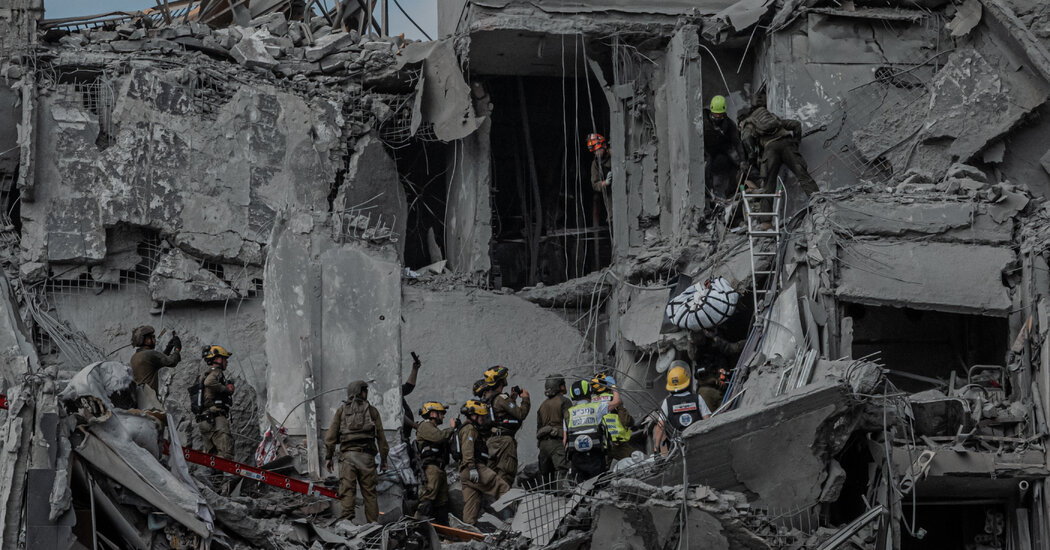
Israeli authorities have announced that they have begun addressing a hazardous material leak from the Beersheba factory after it was targeted by an Iranian strike. The incident raises significant concerns about the safety of industrial facilities in the country, as a leak of chemicals that could pose a danger to the environment and public health has been detected.
The Israeli military confirmed that the Iranian strike directly targeted the factory, resulting in severe damage to the facility. Emergency teams have taken immediate action to manage the leak, and the area surrounding the factory has been cordoned off to ensure the safety of residents.
Details of the Incident
The Iranian attack on the Beersheba factory occurred as part of escalating tensions between Iran and Israel, with both nations exchanging accusations regarding military activities and interventions in internal affairs. Israeli officials indicated that this attack is part of a broader Iranian strategy aimed at destabilizing the region.
Meanwhile, local authorities confirmed that emergency teams are working to contain the leak and assess the damage. A number of chemical specialists have been deployed to ensure that hazardous materials do not spread to surrounding areas.
Background & Context
Historically, relations between Iran and Israel have been marked by increasing tensions, with Israel viewing Iran as a major threat to its national security. In recent years, there has been an escalation in mutual attacks, including cyberattacks and direct military operations.
Beersheba is considered one of Israel's strategic cities, housing many vital industrial facilities. The recent attack highlights the risks these facilities face amid rising regional tensions.
Impact & Consequences
The Iranian attack on the Beersheba factory could have wide-ranging implications for industrial security in Israel. If these attacks continue, the Israeli government may be forced to take stricter measures to protect vital facilities, potentially leading to further escalation in the conflict with Iran.
Moreover, this incident may affect Israel's relations with its allies, particularly the United States, which views Iran as a threat to regional security. This issue is expected to be discussed in international forums as major powers seek diplomatic solutions to the crisis.
Regional Significance
The recent events in Beersheba are indicative of rising tensions in the region, which may impact neighboring Arab countries. Amid escalating tensions between Iran and Israel, Arab nations may find themselves in a difficult position, needing to balance their relations with both sides.
It is crucial for Arab countries to closely monitor the situation, as any further escalation could lead to negative repercussions for regional stability. Additionally, the events in Beersheba may reopen discussions on regional security and cooperation among Arab states to address common threats.
In conclusion, the situation in Beersheba remains under observation as Israel seeks to address the damage caused by the Iranian strike. This event reflects the increasing tensions in the region and underscores the need for enhanced regional cooperation to tackle security challenges.