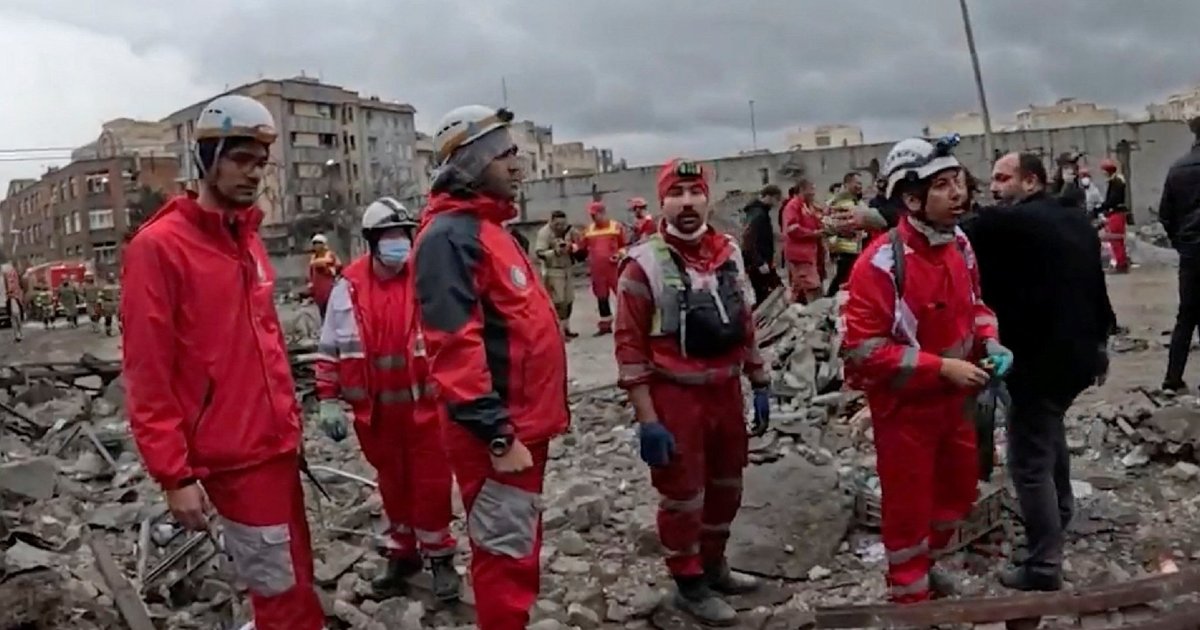
Israel has started utilizing air defense systems that were not originally designed to intercept Iranian missiles, amid increasing challenges it faces in countering rising attacks. According to a report by Channel 13 in Israel, the Israeli army has expanded its use of available systems to address the growing and complex missile threats.
The report indicated that Israel is partially relying on interception systems provided by the United States, in addition to lower-tier defenses such as the "David's Sling" system, even though they were not specifically designed to counter this type of threat. Meanwhile, more advanced systems like the "Arrow 3" are typically used to intercept long-range missiles.
Details of the Situation
The missile threats directed at Israel are increasing, prompting a reevaluation of its defensive strategies. In recent years, the region has witnessed a rise in missile attacks, making the need for effective defensive systems more urgent. Reports indicate that the threats come from various entities, including armed factions in Gaza and Hezbollah in Lebanon, as well as potential threats from Iran.
Israel is seeking to enhance its defensive capabilities by employing new systems to address the escalating challenges. This approach seems to reflect a growing concern over the enemies' ability to develop more accurate and effective missiles, necessitating a swift and effective response from the Israeli side.
Background & Context
Historically, Israel has relied on advanced air defense systems such as the "Iron Dome" and "Arrow," which have proven effective in countering numerous missile attacks. However, current threats require new strategies, as armed factions have developed new technologies that make it difficult for traditional systems to counter them.
In recent years, Iran has increased its support for armed factions in the region, exacerbating the security situation. Additionally, technological advancements in missile capabilities have made it essential for Israel to update its defensive systems to remain capable of facing the increasing threats.
Impact & Consequences
The use of alternative air defense systems could have significant implications for regional security. With the rising threats, the region may witness an escalation in tensions, potentially leading to military responses from the Israeli side. Furthermore, this shift could affect Israeli relations with the United States, a key partner in providing defense systems.
Moreover, employing systems not specifically designed to counter Iranian threats may raise questions about the effectiveness of these systems in addressing attacks, which could increase public anxiety in Israel and impact internal stability.
Regional Significance
Arab countries are directly affected by the escalating tensions between Israel and armed factions. As threats increase, the region may experience a rise in conflicts, impacting security and stability in neighboring countries. Any military escalation could lead to serious humanitarian consequences, especially in areas experiencing ongoing conflicts.
Ultimately, the security situation in the region requires close monitoring, as any new developments could affect regional balances and heighten tensions among the various parties involved.