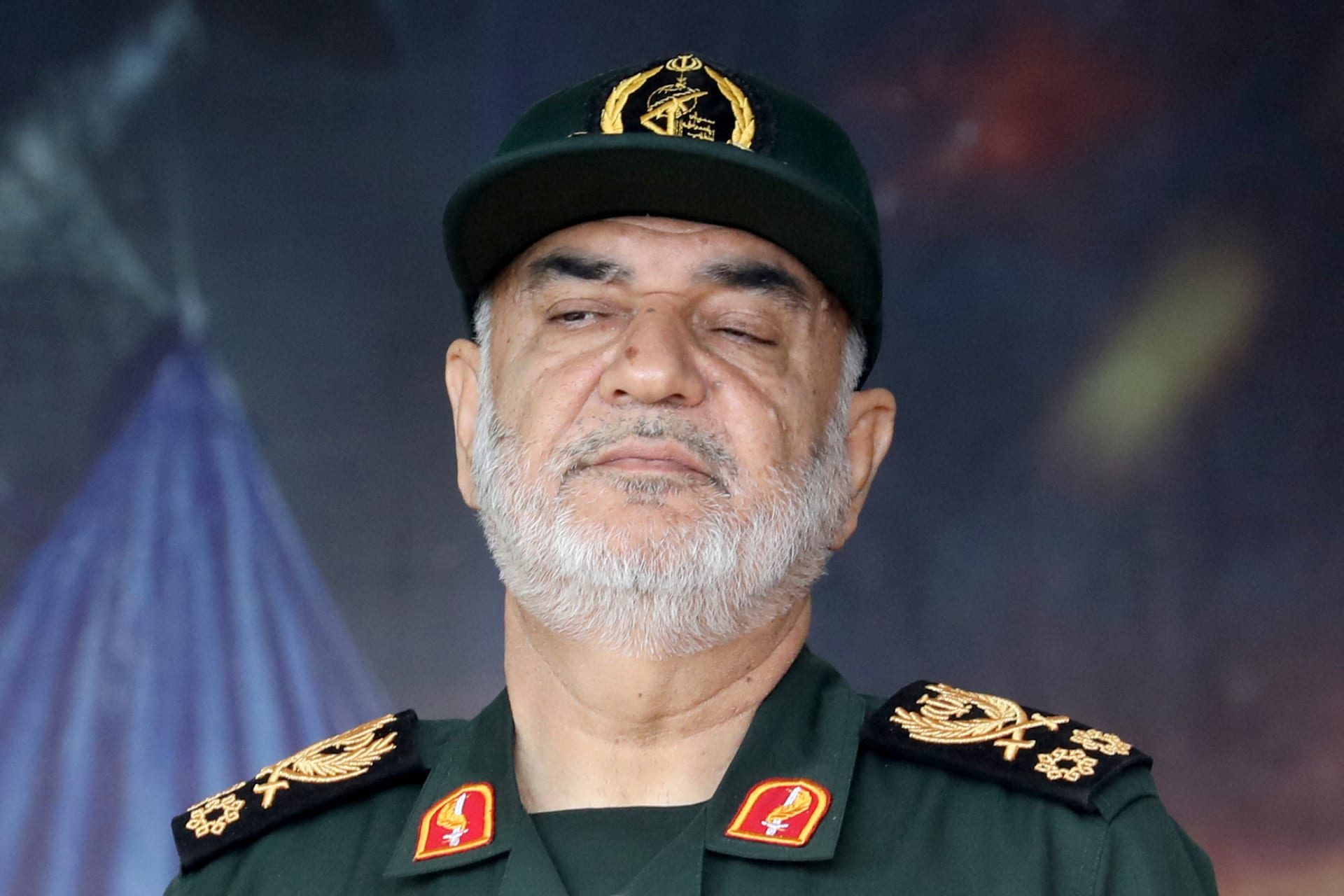
Israeli Defense Minister, Yoav Gallant, announced on Thursday the assassination of Iranian Revolutionary Guard Navy Commander Ali Reza Tangsiri in an airstrike targeting his location. This announcement comes at a time when tensions between Israel and Iran are escalating, raising questions about the implications of this event on regional security.
Tangsiri, who held the position of Navy Commander, was considered a prominent figure in the Iranian Revolutionary Guard and played a key role in enhancing Iran's naval capabilities. The airstrike was carried out late at night, targeting a site believed to have housed Tangsiri along with several Iranian military officers.
Details of the Airstrike
According to reports, the airstrike was executed by Israeli drones, targeting a site in a coastal area of Iran. Gallant confirmed that this operation is part of an Israeli strategy to confront the increasing Iranian threats in the region. He indicated that military operations against Iran would continue as long as it poses a risk to Israeli national security.
This attack follows a series of escalating tensions between Iran and Israel, with the latter accusing Tehran of bolstering its military presence in Syria and Lebanon. Israel has expressed concerns that Iran might use these military bases to launch attacks against it.
Background & Context
Historically, relations between Iran and Israel have been strained since the Islamic Revolution in Iran in 1979. Recent years have witnessed an escalation in the conflict between the two sides, with Israel conducting numerous airstrikes against Iranian targets in Syria. Moreover, Iran has increased its support for armed groups in the region, such as Lebanese Hezbollah.
The Iranian Revolutionary Guard is considered an essential part of Iran's military strength, with the Navy being one of the significant branches through which it seeks to enhance its influence in regional waters. The assassination of Tangsiri may significantly impact Iran's military plans in the region, especially amid ongoing Israeli threats.
Impact & Consequences
This assassination is expected to have significant repercussions on regional relations. It may lead to an escalation of tensions between Iran and Israel, with Tehran potentially retaliating against Israeli or American targets in the region. Furthermore, this event could affect stability in Iraq and Syria, where Iran holds considerable influence.
Additionally, this assassination might increase Iranian support for armed groups in the region, potentially intensifying the conflict in the Middle East. International reactions to this event will be closely watched, as some major powers may intervene to mediate or calm the situation.
Regional Significance
For Arab countries, the rising tensions between Iran and Israel could impact overall regional security. Some Arab nations, which are already struggling with Iran's growing influence, may feel concerned about the repercussions of this assassination. Events in the region could also affect peace and stability efforts in countries like Iraq, Syria, and Lebanon.
At the same time, some Arab nations may leverage this event to strengthen their alliances with Israel, especially in light of Iranian threats. Thus, this assassination could open new avenues for regional cooperation, while simultaneously exacerbating existing conflicts.
In conclusion, the assassination of Ali Reza Tangsiri marks a turning point in the conflict between Iran and Israel, reflecting the ongoing tensions in the region. It is crucial to monitor upcoming developments, as these events may significantly influence the future of regional relations and security in the Middle East.