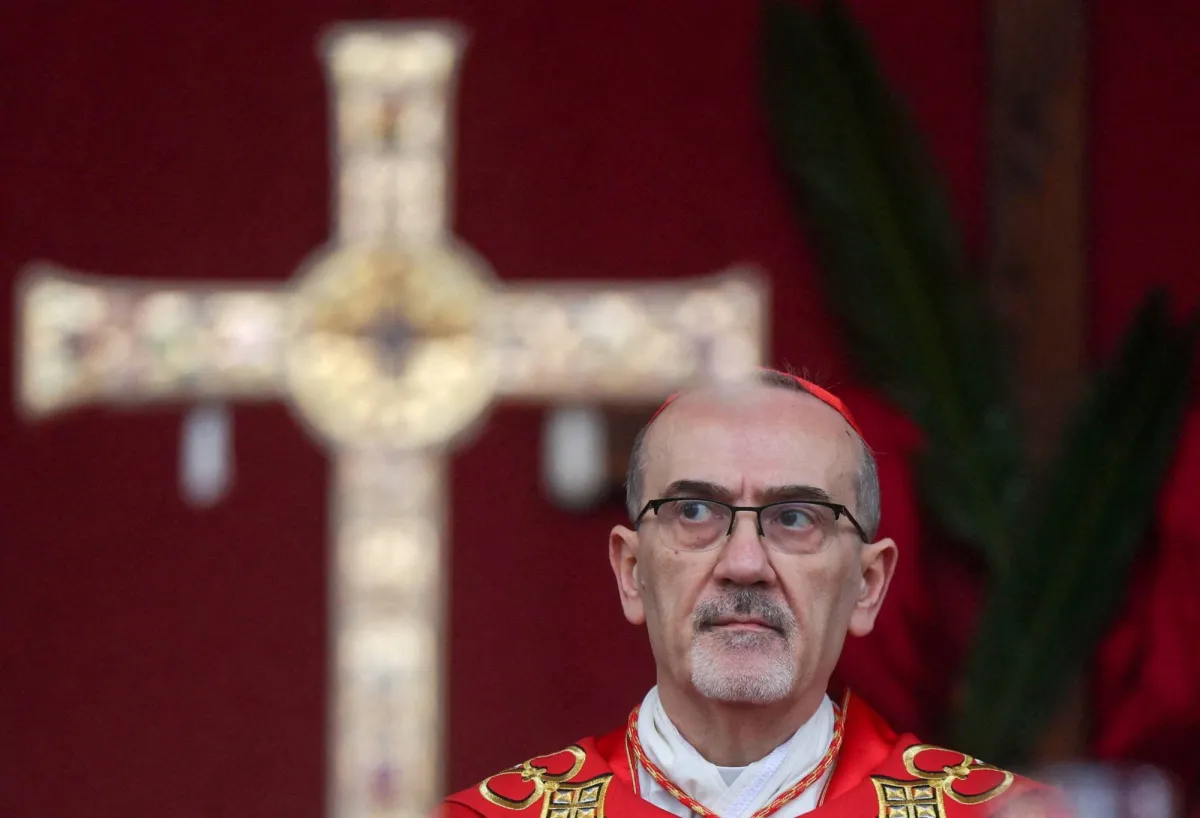
In a move following a wave of international outrage, Israeli Prime Minister Benjamin Netanyahu announced on Monday that he would allow the Latin Patriarch of Jerusalem, Cardinal Pierbattista Pizzaballa, immediate access to the Church of the Holy Sepulchre. This decision came after Israeli police had barred him from entering the church to celebrate the Palm Sunday mass, provoking angry reactions from various countries around the world.
Netanyahu stated via the platform 'X' that he had instructed the relevant authorities to grant the cardinal full and immediate access to the church, emphasizing the importance of maintaining freedom of worship in holy places.
Details of the Incident
The Israeli police had prevented Cardinal Pizzaballa and the guardian of the Franciscan Order in the Holy Land, Francesco Ilbo, from entering the church while they were heading to celebrate the Palm Sunday mass. The Latin Patriarchate in Jerusalem described this ban as a "serious precedent" that disregards the feelings of billions of people worldwide, who turn their eyes to Jerusalem during this week.
Amid the escalating security situation in the region, Israeli authorities confirmed that they had requested Christian, Jewish, and Muslim worshippers to "temporarily refrain" from visiting holy sites for security reasons, noting that these sites had recently faced threats from ballistic missiles from Iran.
Context and Background
These events come at a sensitive time, as the region is experiencing increasing tensions following an attack by Israel in cooperation with the United States on Iran on February 28. This conflict has led to restrictions on large gatherings at holy sites, including the Al-Aqsa Mosque and the Church of the Holy Sepulchre, during the month of Ramadan.
The restrictions imposed on public gatherings, which limited the number of participants to about 50 people, sparked widespread discontent among different faiths, as these measures were seen as a threat to freedom of worship.
International Reactions and Consequences
International reactions to the ban on the Latin Patriarch's entry into the church were swift, with French President Emmanuel Macron condemning the decision, stating that it adds to the repeated violations of the status of holy sites in Jerusalem. Italian Prime Minister Giorgia Meloni also denounced the move, considering it an affront to believers.
Spain summoned the Israeli chargé d'affaires in Madrid to protest this ban, demanding that such actions not be repeated. These developments indicate a growing international concern regarding freedom of worship in Jerusalem, a city that is a significant religious center for the three Abrahamic faiths.
Impact on the Arab Region
The ban imposed on the Latin Patriarch reflects the increasing tensions in the region, with growing concerns about the impact of political conflicts on freedom of worship. The current situation also highlights the declining percentage of Christians in the Holy Land, where their proportion was over 18% in 1948, but has now fallen to less than 2%.
This situation calls for Arab countries and the international community to work towards protecting the rights of religious minorities and ensuring freedom of worship, especially in light of the current circumstances marked by tensions and conflicts.