Israel has announced a new deal to purchase military ammunition worth $48 million, which includes tens of thousands of artillery shells. This step comes at a time when the region is witnessing a notable escalation in Iranian rocket attacks, increasing tensions in the Middle East.
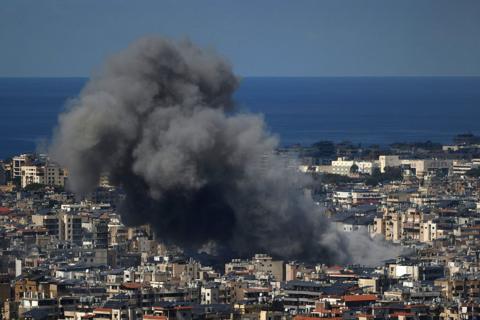
In a related context, the Israeli army issued an immediate evacuation warning for residents of the southern suburbs of Beirut, reflecting growing concerns over escalating hostilities between the two sides. This warning follows a series of rocket attacks that targeted Israeli territory, which are believed to be orchestrated by Iran.
Details of the Ammunition Deal
The deal announced by Israel includes the purchase of tens of thousands of artillery shells, which are part of a military strategy aimed at enhancing the Israeli army's capabilities in facing increasing threats. This deal comes at a sensitive time, as rocket attacks by Iran-backed groups have intensified, prompting Israel to take proactive measures to bolster its defenses.
The Israeli army, which is closely monitoring developments in the region, has issued an evacuation warning for residents of the southern suburbs of Beirut, an area considered a stronghold for Hezbollah. This warning reflects concerns over the potential escalation of hostilities, which could exacerbate the security situation in the region.
Background & Context
Historically, relations between Israel and Iran have been marked by ongoing tension, with Iran being one of Israel's most prominent adversaries in the region. For years, Iran has sought to enhance its influence in the Middle East by supporting armed groups, such as Hezbollah in Lebanon, which has intensified tensions.
In recent years, Israel has increased its investments in defense, especially following the rise in Iranian military activities. The recent deal reflects this trend, as Israel seeks to strengthen its military capabilities to counter growing threats.
Impact & Consequences
This deal is considered a strategic move by Israel, reflecting its commitment to enhancing its defensive capabilities amid increasing threats from Iran. This step may lead to heightened tensions in the region, as Iran or its allies may respond to these actions.
Additionally, the evacuation warning for residents of the southern suburbs of Beirut could impact the security situation in Lebanon, potentially increasing tensions between Hezbollah and Israel. This situation could negatively affect stability in the region, raising the risks of a broader conflict.
Regional Significance
The recent developments in Israeli-Iranian relations signal a rise in tensions in the Middle East, which may affect neighboring Arab countries. Under these circumstances, Arab nations may find themselves compelled to reassess their security and defense strategies.
Furthermore, the escalation of hostilities between Israel and Iran could impact peace efforts in the region, potentially exacerbating humanitarian conditions in conflict-affected areas. It is crucial for Arab nations to stay informed about these developments, as changing circumstances may require a swift and effective response.
In conclusion, the recent Israeli deal and the escalation of Iranian rocket attacks reflect a state of increasing instability in the Middle East. The current situation requires all parties involved to work towards de-escalating tensions and avoiding military escalation that could have dire consequences for the entire region.