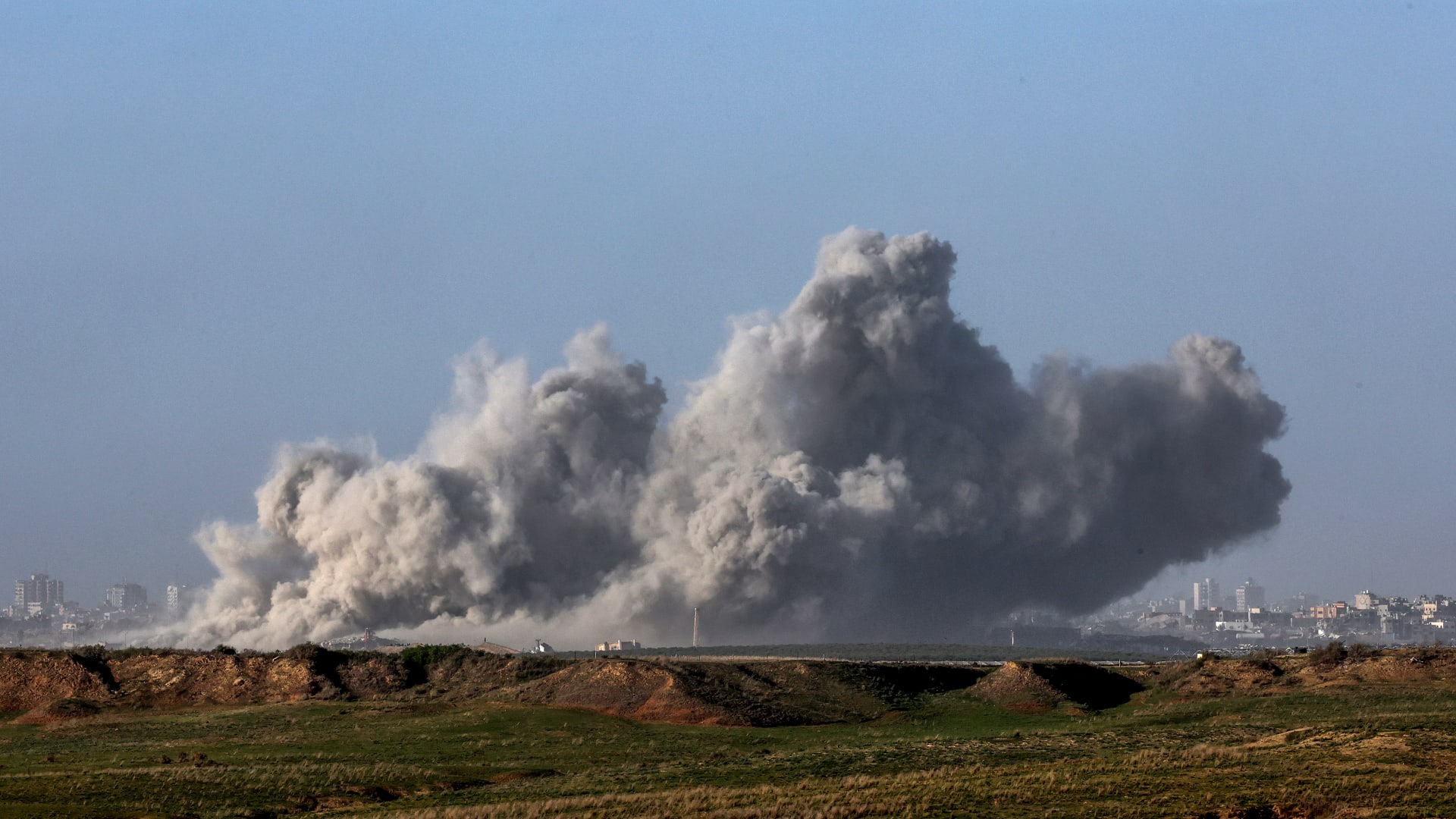
In a statement published on Sunday, Israeli Chief of Staff Eyal Zamir confirmed that the Israeli armed forces will work to intensify their unspecified ground operations in Lebanon, indicating that the goal is to enhance security measures and confront potential threats.
These remarks come in light of escalating tensions in the region, as Lebanon has recently faced challenges that include economic, social, and political crises, increasing the military risks along its borders. Zamir clarified that military operations will seek to achieve tangible and effective results to prevent any emerging threats.
This warning underscores the rise of Israeli military activities in the area, a policy adopted by the Israeli government for some time. In recent years, Lebanon has witnessed numerous operations carried out by the Israeli army against targets linked to Hezbollah.
The Hezbollah audience and its supporting environment consider the ongoing tensions to stem from the enduring conflict between the two sides, which intensified during previous wars and the events of the summer of 2006. The Israeli maneuvers come at a time when Lebanese concerns are rising about the impact of regional conflicts, which have left serious political and military repercussions on the country.
In this context, it can be said that the announcement of intensifying military operations has direct ramifications on security and stability in Lebanon. Some believe that this step may complicate the security landscape, necessitating regional and international parties to intervene to restore calm and achieve comprehensive dialogue among the involved parties.
Additionally, Israel is working to bolster its military presence in southern Lebanon, reducing its capability to achieve national security through traditional defensive mechanisms, which exacerbates the military landscape and its tangible effects on civilian communities.
Despite the current intensified stance of the Israeli army, the impact of these moves on the broader Arab region cannot be overlooked, as anxiety increases in many neighboring countries that consider Lebanese partnerships as part of their security framework.
All these factors make the military warnings alarming and highlight the need for a sound strategy to maintain peace in Lebanon, saving the country from the mounting military and political pressures.
In conclusion, the ongoing tensions and the strict positions of the Israeli military do not necessarily serve the interests of either Israelis or Lebanese, but may lead to escalating situations and opening new fronts in regional conflicts.