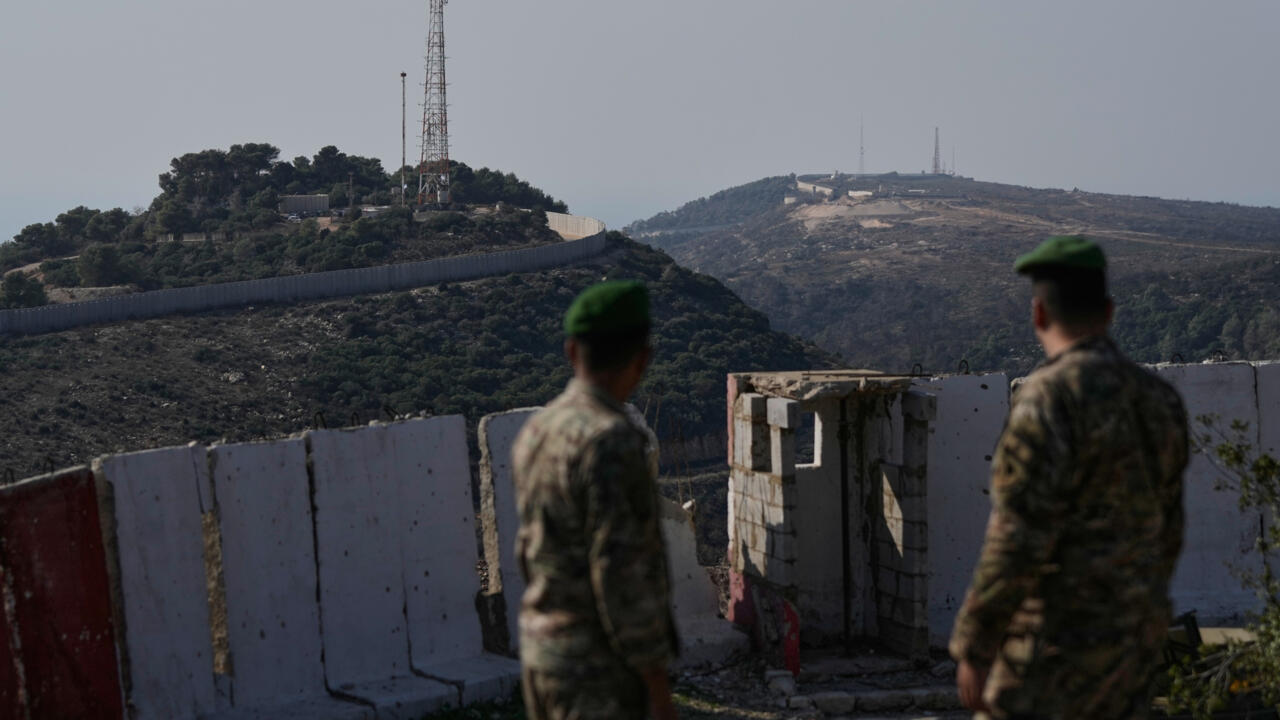
In a move that has sparked angry international reactions, Israeli Defense Minister Israel Katz announced on Tuesday that Israel will retain control over a vast area of southern Lebanon even after the ongoing war against Hezbollah. Katz confirmed that the Israeli army will establish a buffer zone within Lebanon, extending up to the Litani River, which means controlling an area up to 30 kilometers from the border.
Katz added in a video statement that hundreds of thousands of displaced Lebanese will be prevented from returning to their homes until the security of northern Israel is guaranteed. He also noted that all homes in villages near the border will be demolished, citing the model of the cities of Rafah and Beit Hanoun in Gaza, where Israel destroyed many homes during previous wars.
Details of the Announcement
Katz's statements come at a sensitive time, as the region is experiencing ongoing military escalation. Israeli military operations have led to the displacement of over 1.1 million people from southern Lebanon, raising concerns from the United Nations and human rights organizations. The UN has warned that the situation in southern Lebanon could turn into a new occupation, drawing parallels with the situation in the Gaza Strip.
For its part, Human Rights Watch expressed concern over Katz's statements, indicating that preventing civilians from returning constitutes forced displacement, which is prohibited under the laws of war. The organization issued a letter to Katz expressing its fears of potential violations of international humanitarian law.
Context and Background
Historically, Israeli-Lebanese relations have seen increasing tensions, especially with the rise of Hezbollah activities. Since 2006, when the Second Lebanon War erupted, there have been repeated attempts by Israel to secure its northern borders. However, recent statements indicate a shift in Israeli strategy, suggesting an intention to remain longer in Lebanese territory.
In this context, 10 European countries, including Britain, France, and Italy, warned against the expansion of Israeli military operations, calling for respect for the territorial integrity of Lebanon. The signatory countries reaffirmed their full support for the Lebanese government and its people, who are suffering from the consequences of the war.
Impact and Consequences
The Israeli threats indicate the possibility of escalating the conflict in the region, which could exacerbate humanitarian crises. Continued displacement may place additional pressure on Lebanon, which is already suffering from economic and political crises. This situation represents a real test for the international community in how to address the growing humanitarian crises in the region.
At the same time, these events may lead to increased tensions between Israel and Arab countries, threatening peace efforts in the region. This escalation also reflects the ongoing instability in the Middle East, which could affect regional security as a whole.
Significance for the Arab Region
The developments in southern Lebanon are of great importance to Arab countries, as they reflect the ongoing conflicts in the region. Israeli statements may provoke strong reactions from Arab nations, which may see this as a threat to their sovereignty and security. Additionally, the situation in Lebanon could affect relations between Arab nations and Israel, especially amid rising tensions.
In conclusion, the situation in southern Lebanon remains under close observation, with growing concerns about the escalation of the conflict and its humanitarian implications. There is a need for international efforts to resolve the crisis and ensure the safety of civilians in the region.