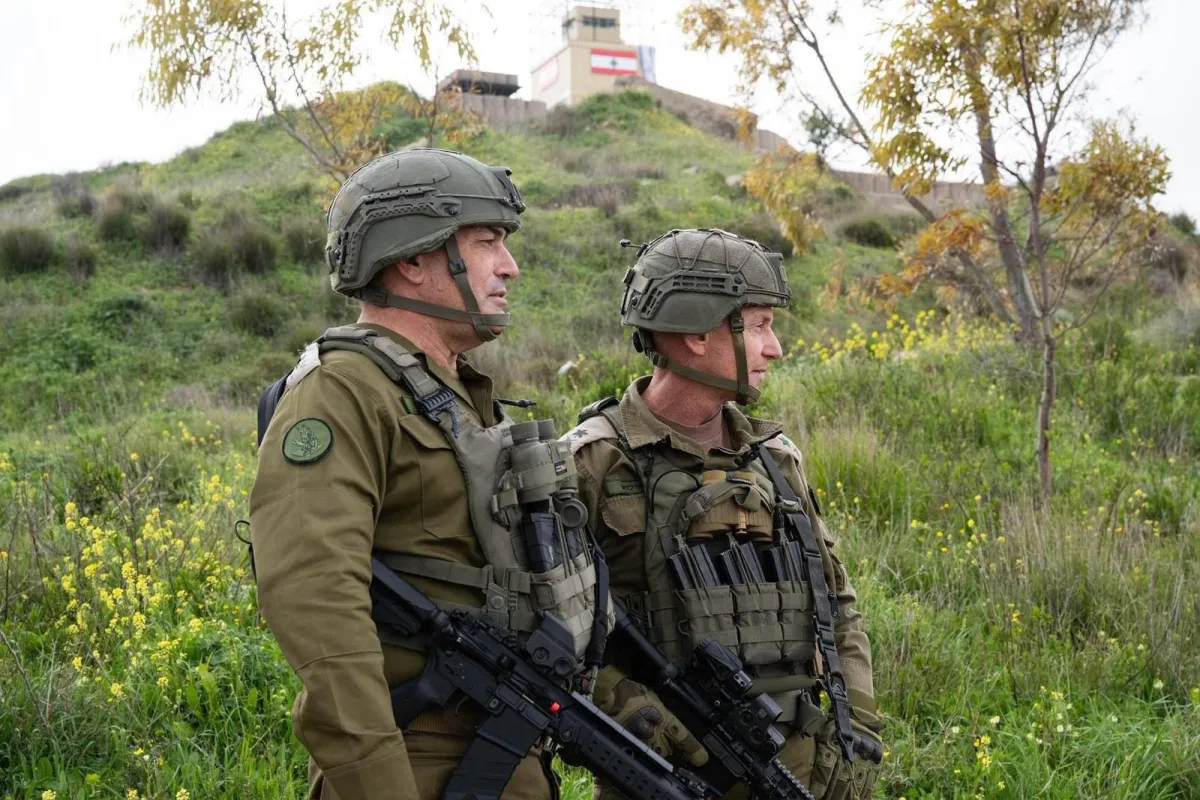
Israeli Chief of Staff Eyal Zamir announced during a visit to Israeli soldiers in southern Lebanon that there are "major plans" to confront threats in the region. Zamir emphasized that "our northern towns depend on you," urging soldiers to continue offensive and professional work to eliminate threats from these towns.
These statements come at a time when southern Lebanon is witnessing an Israeli incursion, with Israeli forces approaching the Lebanese border by up to 10 kilometers along the coastal strip in Naqoura. This incursion aims to control the heights overlooking the city of Tyre, in addition to cutting off Hezbollah's supply lines to the border area.
Details of the Incident
In a related context, Hezbollah announced the launch of a surface-to-air missile towards an Israeli fighter jet over Beirut, marking the first incident of its kind since the outbreak of the war. These developments indicate an escalating conflict between the two sides, as each seeks to strengthen its military positions.
Additionally, Iraqi security sources revealed the course of investigations related to missile and drone attacks targeting diplomatic and security sites, reflecting rising tensions in the region overall. The head of the Iraqi Supreme Judicial Council noted "serious repercussions" resulting from some factions' unilateral military decisions, threatening Iraq's stability and international relations.
Background & Context
The war between Israel and Hezbollah erupted on March 2 following the party's attack on Israel in response to the killing of the Iranian guide in Israeli-American strikes. Since then, the region has witnessed significant military escalation, with Israel conducting extensive airstrikes across Lebanon, resulting in the deaths of over 1,000 people.
At the same time, the United Nations High Commissioner for Refugees warned of a worsening humanitarian crisis in Lebanon, where more than 1 million people have been forced to flee their homes since the war began. The economic situation in Lebanon is deteriorating, further increasing the suffering of the displaced.
Impact & Consequences
The military escalation in southern Lebanon has serious implications for regional security. As attacks increase from both sides, there are growing concerns about the conflict expanding to neighboring countries, potentially leading to a larger humanitarian crisis. Furthermore, the continuation of this war could negatively impact relations between Iraq and Iran, as international pressure on Iraq mounts due to the actions of some armed factions.
On the other hand, Lebanese President Abdul Latif Jamal Rashid warned that the continuation of the war does not serve the interests of any country in the region, emphasizing the need for internal dialogue and national solidarity to face challenges.
Regional Significance
Attention is turning to how these events will affect the situation in the Arab region. The worsening humanitarian crisis in Lebanon could have negative repercussions on neighboring countries, especially with the increasing number of displaced persons. Additionally, the military escalation could threaten the stability of other countries in the region, necessitating urgent international action to resolve the crisis.
In conclusion, the situation in southern Lebanon appears to be heading towards further complexity, with ongoing military operations and tensions between the various parties. Urgent international and local efforts are required to mitigate the conflict and provide humanitarian assistance to those affected.