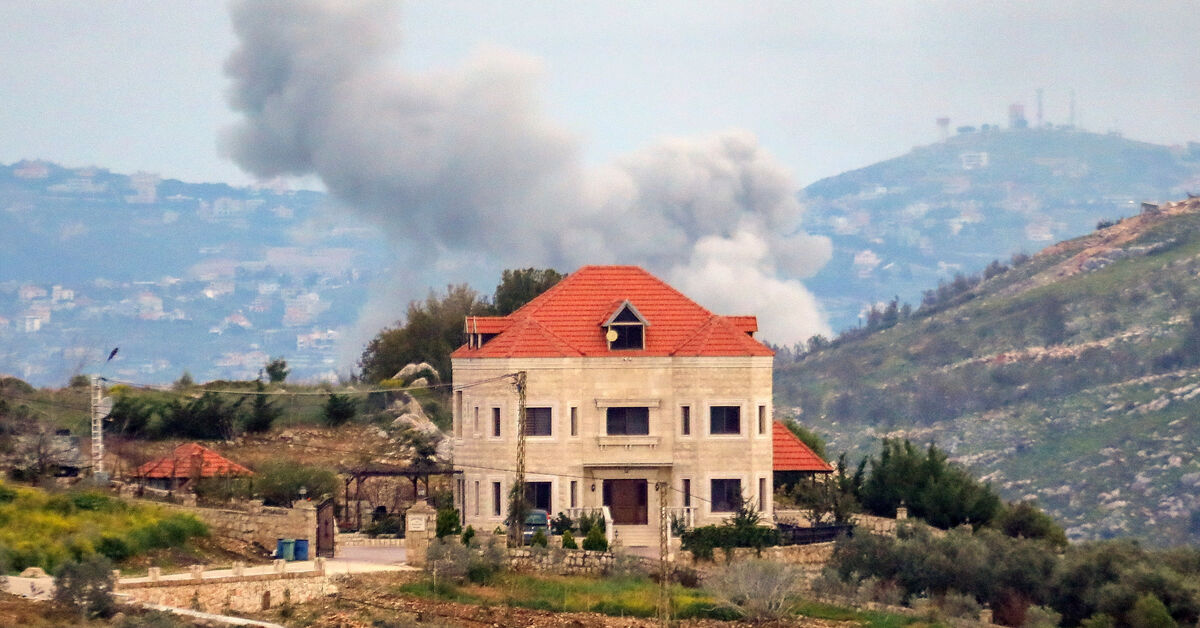
On March 26, 2023, Israel announced its plan to take control of an area in southern Lebanon with the aim of establishing a "buffer zone" to counter threats from Hezbollah fighters. This step raises significant fears among Lebanese citizens about the possibility of a return to Israeli occupation, which could exacerbate the security situation and increase displacement within the country.
This move comes at a sensitive time as Lebanon is grappling with severe economic and political crises, making any potential military escalation even more impactful on the internal situation.
Details of the Announcement
Through this plan, Israel seeks to enhance its national security amid rising tensions with Hezbollah, which the Israeli occupation views as a direct threat. Israeli officials have stated that this buffer zone will help reduce potential attacks from the party, which possesses a stockpile of advanced weaponry.
Conversely, many analysts believe that this step could lead to military escalation in the region, as Hezbollah is likely to respond to any Israeli attempts to control Lebanese territory. Numerous experts have warned that these actions could worsen the humanitarian situation in Lebanon, which is already suffering from a crippling economic crisis.
Background & Context
Historically, Lebanese-Israeli relations have been marked by severe tensions, with Israel occupying parts of Lebanon at various times, most notably during the Lebanese Civil War in the 1970s and 1980s. These wars resulted in mass displacement of populations and widespread destruction of infrastructure.
After the withdrawal of Israeli forces from Lebanon in 2000, tensions between the two sides persisted, especially following the 2006 war that caused significant devastation in Lebanon. Since then, Hezbollah has maintained its military capabilities and considers itself a defender of Lebanon against any Israeli aggressions.
Impact & Consequences
This Israeli move is seen as a serious escalation that could lead to the outbreak of a new military conflict in the region. By establishing a buffer zone, Israel may position itself in direct confrontation with Hezbollah, potentially dragging the region into a new war.
Moreover, any military escalation will directly affect the humanitarian situation in Lebanon, where the population is already suffering from economic and health crises. The conflict could lead to an increase in the number of displaced persons and refugees, adding further strain on the Lebanese government.
Regional Significance
These developments are of great importance to the Arab region as a whole, as any escalation in Lebanon could impact the stability of neighboring countries such as Syria and Jordan. Additionally, the situation in Lebanon may influence relations between Arab states and Israel, especially in light of normalization attempts being observed in some countries.
In conclusion, the situation in Lebanon remains under close observation, as any Israeli action could lead to unforeseen repercussions, not only for Lebanon but for the entire region.