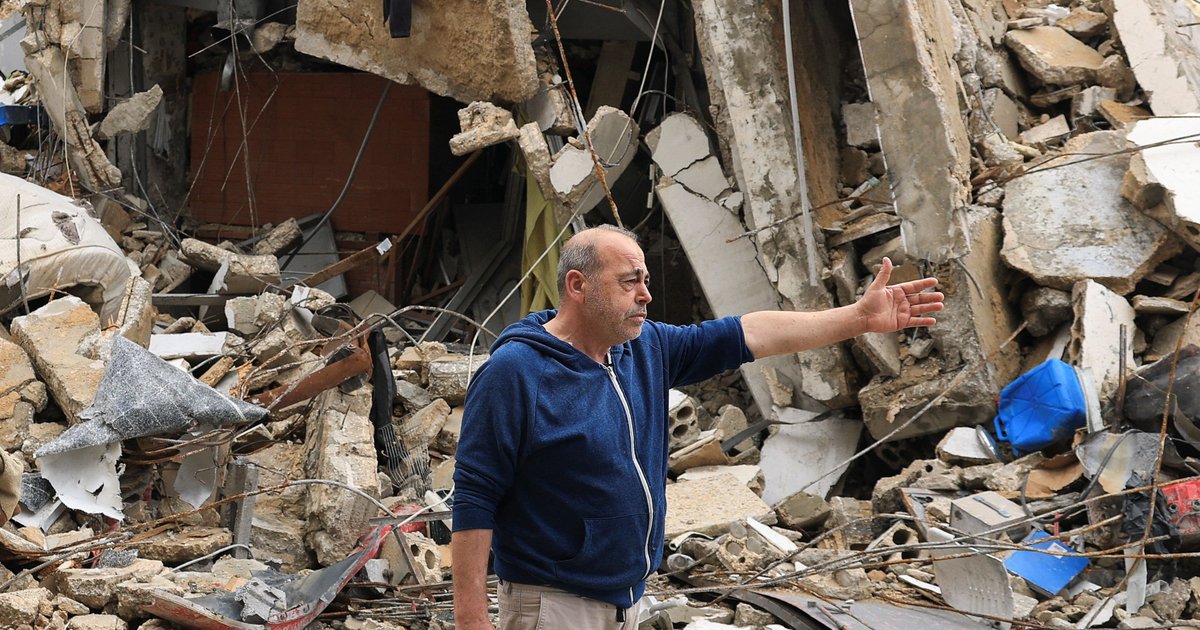
Rising tensions in the Middle East are marked by Israel's expectations that talks between the United States and Iran may fail to yield any agreement. An Israeli political source reported that these negotiations are likely to collapse. This situation arises at a critical time, as Israel closely monitors the developments in the negotiations and readies itself to ramp up military pressure should Washington choose to broaden its campaign against Iran.
Reports indicate that Israel maintains a list of potential targets, including energy facilities, in the event that President Donald Trump lifts restrictions on strikes against Iranian infrastructure. Israeli Prime Minister Benjamin Netanyahu has indicated his country's readiness to intensify military pressure, including attacks on petrochemical facilities.
Details of the Situation
These statements come at an extremely sensitive time, as international pressure on Iran continues due to its nuclear program. Iran has expressed its readiness to confront any military escalation, noting that American and Israeli airstrikes have caused significant damage to numerous universities, schools, and research facilities within the country. Reports indicate that over 100,000 civilian sites have been affected since the conflict began on February 28.
These Israeli statements serve as a clear warning about the potential consequences of any failure in negotiations. Israel views Iran as an existential threat and believes that any agreement that might alleviate pressure on Tehran would have negative implications for its national security.
Background & Context
Historically, relations between the United States and Iran have been marked by increasing tensions since the Islamic Revolution in 1979. Economic sanctions imposed on Iran have exacerbated the situation, prompting Tehran to develop its nuclear program, which has raised concerns within the international community. In recent years, the Trump administration attempted to negotiate with Iran, but these talks often stalled due to disagreements over Iran's nuclear program and its regional behavior.
In this context, Israel believes that any agreement with Iran must include strict limitations on its nuclear program, in addition to addressing other issues such as its support for armed groups in the region. The Israeli stance reflects deep fears that any concessions made by the United States to Tehran will enhance Iran's influence in the area.
Impact & Consequences
If talks between the United States and Iran collapse, it could lead to military escalation in the region. Iran may respond to any Israeli attacks by increasing its support for armed groups in Iraq, Syria, and Lebanon, potentially creating a state of regional instability. Furthermore, rising tensions could impact global oil prices, as Iran is a key player in the energy market.
Moreover, the collapse of negotiations could negatively affect relations between the United States and its allies in the region, as some Arab states may feel concerned about the rising Iranian influence, prompting them to strengthen their alliances with Israel.
Regional Significance
Recent developments in US-Iranian relations are particularly significant for Arab countries, as any military escalation could affect security and stability in the region. Many Arab nations are worried that any agreement with Iran could enhance its influence, potentially exacerbating existing conflicts.
At the same time, some Arab countries may seek to bolster their cooperation with the United States and Israel to address the security challenges posed by Iran. The current situation requires Arab states to adopt clear strategic positions to safeguard their security and economic interests amid these rising tensions.