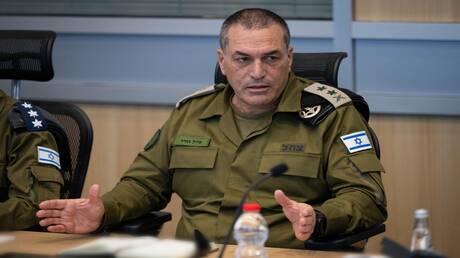
Israeli Chief of Staff Eyal Zamir stated that Israel is nearing a strategic turning point in its ongoing struggle against Iran. This statement comes at a sensitive time when the region is witnessing increasing tensions, as Israel aims to enhance its security posture in the face of Iranian threats.
Zamir's remarks come amid escalating Iranian military activities in the region, including its support for armed militias in Iraq and Syria, which Israeli officials view as a direct threat to their national security. This coincides with reports of Iran developing its nuclear capabilities, raising concerns both in Israel and internationally.
Details of the Situation
In a press conference, Zamir clarified that Israel is assessing its military strategies to confront the growing challenges posed by Iran. He emphasized that cooperation with allies, particularly the United States, will play a pivotal role at this stage. He also highlighted the importance of enhancing both defensive and offensive capabilities of Israeli forces.
Zamir indicated that Israel would not hesitate to take preemptive actions if necessary to protect its national interests. He mentioned that Iranian threats require an immediate and effective response, and that Israel is prepared to face any potential escalation.
Background & Context
Historically, relations between Israel and Iran have been strained since the Islamic Revolution in 1979. These relations have seen a notable escalation in recent years, especially after Iran became a key player in regional conflicts by supporting militias in Lebanon, Syria, and Iraq.
Israel considers Iran its primary enemy in the region, accusing it of seeking to develop nuclear weapons that threaten its existence. These concerns have led Israel to carry out military operations against Iranian targets in Syria, which have elicited varied reactions from the international community.
Impact & Consequences
Forecasts suggest that escalating relations between Israel and Iran could lead to increased tensions in the region, potentially affecting regional stability. Should any military escalation occur, it may require international intervention, particularly from the United States, which is seen as a key ally of Israel.
Moreover, any escalation could impact global markets, especially in the energy sector, where Iran is a major oil producer. This could lead to rising oil prices and affect the global economy.
Regional Significance
Neighboring Arab countries are on alert, as any escalation between Israel and Iran could have direct repercussions on their security and stability. Gulf states, for instance, may be concerned about any military escalation that could affect their security.
Furthermore, the conflict between Israel and Iran could impact peace efforts in the region, as negotiations among various parties may stall amid rising tensions. The current situation requires Arab countries to take clear positions regarding this conflict to ensure the protection of their interests.
In conclusion, Israel appears to be facing significant challenges in its ongoing struggle against Iran, approaching a strategic turning point that could impact the future of the entire region. The current situation necessitates that all parties involved work towards finding peaceful solutions to avoid military escalation.