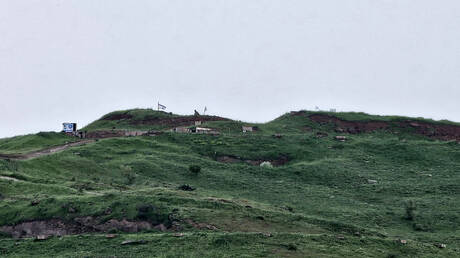
Human Rights Watch reports that the Israeli government has adopted a plan worth $334 million aimed at expanding settlements in the occupied Syrian Golan. This move comes at a sensitive time, as Israel continues to expand its settlement presence in the occupied territories, increasing tensions in the region.
The new plan includes significant investments in infrastructure and facilities, reflecting the Israeli government's commitment to enhancing settlement in the Golan. This step has elicited mixed reactions from the international community, with some viewing it as a violation of international law and Palestinian rights.
Details of the Plan
The Israeli government aims to strengthen its presence in the occupied Golan, which it seized during the 1967 war. The plan seeks to develop existing settlements and build new ones, thereby increasing the number of settlers in the area.
The plan also includes improvements in public services such as education and health, which contribute to attracting more Israelis to live in the Golan. However, these steps may exacerbate the ongoing conflict between Israelis and Palestinians, as these lands are considered part of the occupied Syrian territories.
Background & Context
Historically, the occupied Syrian Golan has been a major point of tension in the Arab-Israeli conflict. In 1981, Israel enacted a law annexing the Golan, a move that has not been recognized by most countries worldwide. Since then, Israeli settlements have continued to expand, leading to widespread international condemnation.
This new plan fits within the current Israeli government's policy aimed at promoting settlement in the occupied territories. In recent years, the Israeli government has shown a strong desire to expand its presence in the Golan, raising concerns about the escalation of conflict in the region.
Impact & Consequences
This move could escalate tensions between Israel and Arab countries, as these policies challenge international efforts to achieve peace in the region. Additionally, the expansion of settlements may negatively impact relations between Israel and Western countries, which typically oppose such policies.
Furthermore, this step could lead to increased protests and resistance from local populations, potentially creating an environment of instability in the region. These policies may also heighten feelings of frustration and despair among Palestinians, who view this as a continuation of the occupation.
Regional Significance
This step is part of a broader policy aimed at altering the demographic reality in the occupied Golan, affecting political balances in the region. The expansion of settlements may exacerbate the Arab-Israeli conflict, negatively impacting security and stability in neighboring countries.
Ultimately, this move remains a subject of extensive debate, with the international community closely monitoring developments amid growing calls to pressure Israel to halt its settlement policies.