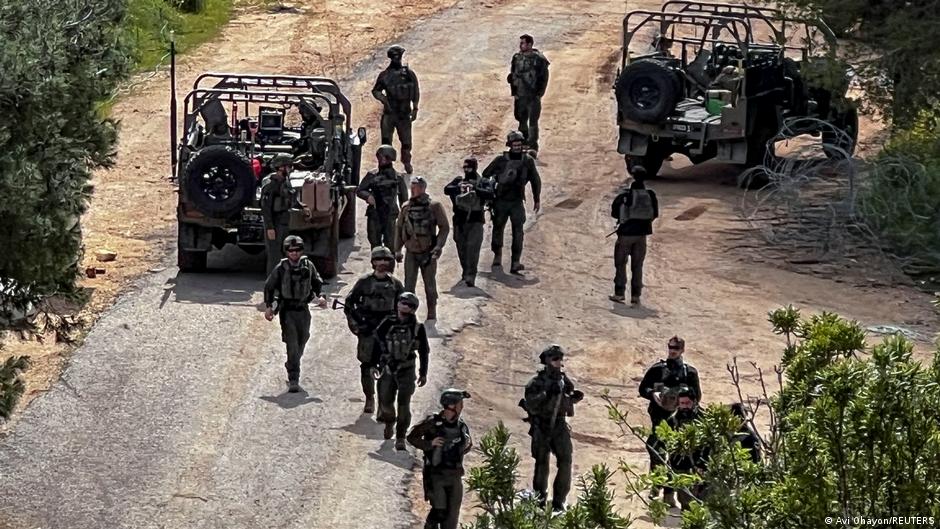
Israel has approved a new defense budget for 2026, estimated at over $45 billion, at a time when military operations are escalating on multiple fronts, including the war against Iran and the Lebanese Hezbollah. This move comes after the death of a United Nations peacekeeper in Lebanon, highlighting the deteriorating security situation in the region.
The new budget, which has been approved by the Israeli parliament, includes an increase in defense spending of more than $10 billion, reflecting the growing security challenges faced by Israel amid rising tensions with Iran and its allies. Additionally, $827 million has been allocated for emergency military purchases, demonstrating the Israeli government's readiness to confront any potential escalation.
Details of the Incident
In a tragic incident, a United Nations peacekeeper from the United Nations Interim Force in Lebanon (UNIFIL) was killed by the explosion of a shell near the village of Adchit al-Qsar in southern Lebanon. Another soldier was seriously injured, prompting the United Nations to launch an investigation to determine the source of the shell and the circumstances of the incident. These events occur at a time when the region is experiencing increasing military operations between the Israeli army and Hezbollah, complicating the security situation further.
The UNIFIL force has been present in Lebanon to monitor the implementation of Resolution 1701, which ended the war between Israel and Hezbollah in 2006, but it faces significant challenges amid escalating hostilities. This force focuses on patrolling the Blue Line, the demarcation line between Lebanon and Israel, making it vulnerable to clashes.
Background & Context
Historically, relations between Israel and Iran have been marked by increasing tensions, especially since Iran began developing its nuclear program. Since February 28, 2026, Israel has been in a state of war with Iran, with military operations continuing in Gaza and Lebanon. This war has contributed to an unprecedented increase in Israeli military spending, with the defense budget far exceeding previous levels.
Through this budget, Israel aims to enhance its military capabilities to counter the growing threats from Iran and its allies, including Hezbollah. At the same time, the United States is attempting to support its ally by bolstering its military presence in the region, with 2,500 American troops deployed to the Middle East.
Impact & Consequences
The increase in Israeli military spending could lead to an escalation of conflict in the region, as fears of an all-out war grow. Additionally, rising tensions may negatively impact the regional economy, with oil prices climbing to over $115 per barrel due to concerns over escalating conflict.
Some analyses predict that these conditions could lead to further division in the region, as tensions rise among regional and international powers. Any escalation could adversely affect peace efforts in the Middle East, making the situation even more complex.
Regional Significance
These developments are of significant importance to Arab countries, as they may lead to the escalation of conflicts in the region. Arab nations are closely monitoring events in Lebanon and Palestine, as any military escalations could affect the stability of the entire region.
Moreover, Pakistan's role in attempting to host peace talks between the United States and Iran may open new avenues for dialogue, although Iran has emphasized its unwillingness to negotiate while American forces are present in the region. The success of these talks could contribute to easing tensions, but the situation remains unclear.