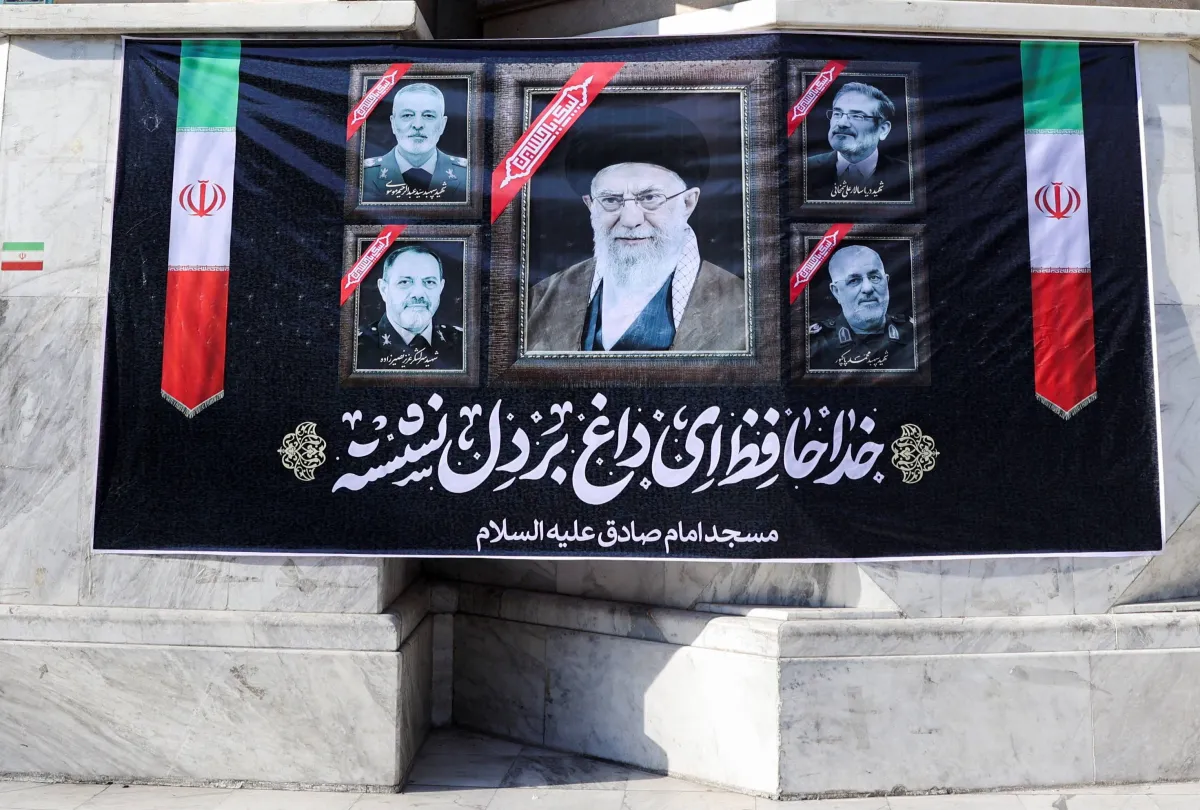
Reports indicate that U.S. and Israeli military leaders have agreed to assign Israel the task of assassinating Iranian leaders, with Tel Aviv executing highly precise targeted killings, leveraging artificial intelligence technologies.
The Israeli campaign against Iranian leaders continues, with reports confirming the death of Ali Reza Tangsiri, the commander of the Iranian Revolutionary Guard's naval forces, in the latest strike. This campaign comes amid escalating tensions between Iran and Israel, as the latter seeks to undermine Iranian military capabilities.
Details of the Operation
According to the Washington Post, U.S. and Israeli military leaders convened to devise a comprehensive plan to confront Iran, which included dividing responsibilities for military targets. They agreed that Israel would undertake the mission of assassinating Iranian leaders, describing it as a challenging yet necessary task.
Since the onset of this campaign, Israel has successfully killed over 250 high-ranking Iranian officials, including Iranian Supreme Leader Ali Khamenei in the first attack of the war. These operations have utilized advanced technologies, with Israel investing decades in building an assassination system based on surveillance sources within Iran, including recruiting elements from the Iranian regime to spy on its behalf.
Background & Context
Historically, relations between Iran and Israel have been marked by severe tensions, with Israel viewing Iran as an existential threat. In recent years, Israel has intensified its military operations against Iran, particularly amid tensions arising from the Iranian nuclear program.
Israel employs advanced technologies in its operations, including artificial intelligence, which aids in analyzing data and extracting vital information regarding the movements of Iranian leaders. These technologies reflect a significant advancement in Israeli intelligence capabilities, enhancing the effectiveness of targeted assassination operations.
Impact & Consequences
This campaign raises concerns among security experts that Israel's increasing reliance on assassination operations may lead to an expansion of targeted objectives. Additionally, these operations could provoke retaliatory responses from Iran, escalating the conflict in the region.
Some analysts believe that this strategy could exacerbate security conditions in the Middle East, where the region may witness an escalation of hostilities, impacting regional stability.
Regional Significance
Arab countries are directly affected by the rising tensions between Iran and Israel, as any military escalation could have negative repercussions on regional security. Furthermore, these events may influence relations between Arab states and Iran, especially amid ongoing conflicts in the region.
In conclusion, the Israeli campaign against Iranian leaders represents a significant shift in the regional conflict, with Tel Aviv relying on advanced technologies to execute its operations, complicating the security landscape in the Middle East.