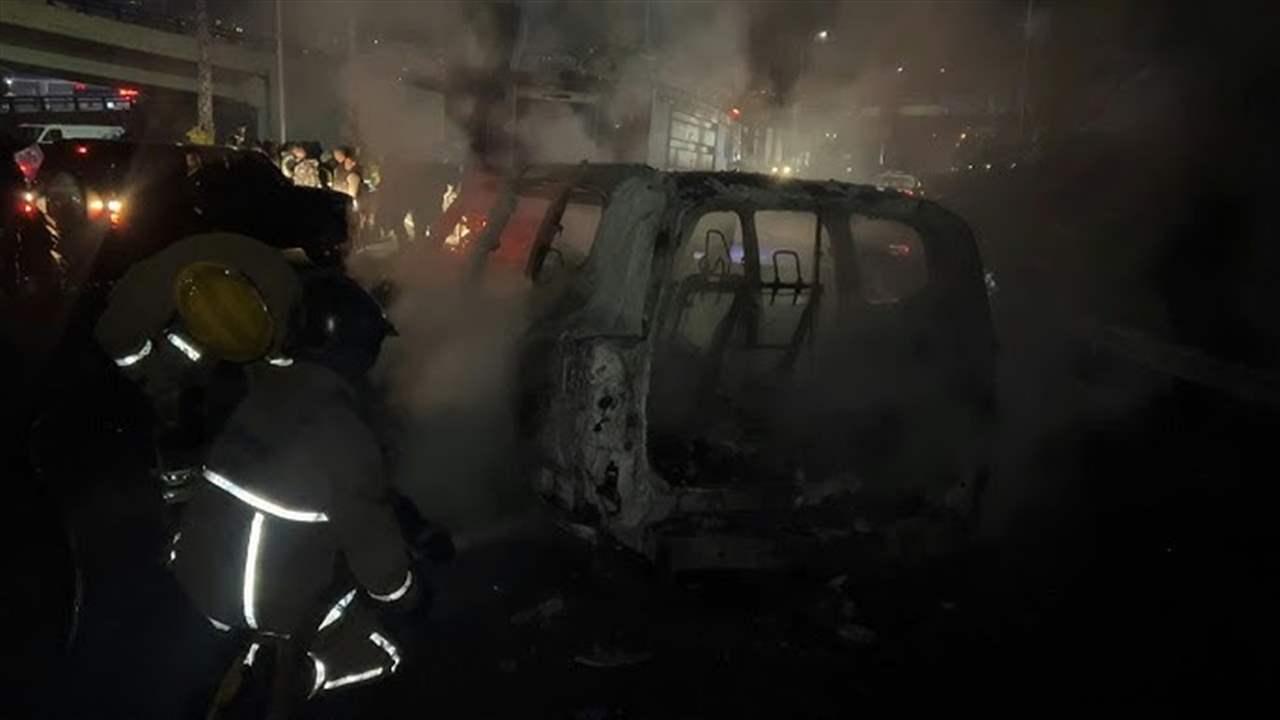
Lebanon has witnessed a sharp escalation in security tensions following the Israeli Air Force's bombing of the Qasemiya bridge, which spans the Litani River in southern Lebanon. Lebanese President Joseph Aoun described these acts as a "dangerous escalation" and a "blatant violation" of national sovereignty. He added that these attacks have extremely negative consequences for the security and stability of the country.
The bombing occurred at a time when tensions between Israel and the Lebanese Hezbollah are rising, amid growing instability in the region. Local sources reported that the Israeli strikes targeted strategic points, raising local residents' fears that the country could enter a vicious cycle of violence.
Today’s events serve as a reminder of the deep historical conflict between Lebanon and Israel. Historically, Lebanon has experienced several wars and conflicts with Israel, the most notable being the Lebanese Civil War (1975-1990) and the Israeli war on Lebanon in 2006. These wars left devastating effects on the Lebanese people, further deepening economic and sectarian crises.
With the likelihood of retaliatory responses from Lebanese entities increasing, a crucial question arises regarding how these events will affect security conditions in Lebanon. The fragile security situation, especially in the south, presents the government with substantial challenges that require appropriate strategies to manage the escalation.
Additionally, the Israeli bombing occurs amid ongoing political and economic crises facing the Lebanese government, which increases public dissatisfaction with the current situation. Observers assert that any escalation could exacerbate internal conditions and might be used as a pretext for external interventions.
Regionally, the escalation in Lebanon reflects the changing balance of power in the Middle East. While some Arab countries seek to improve relations with Israel, Lebanon appears to remain trapped between the pressures of war and increasing security threats. Many observers believe that this bombing could have implications extending beyond Lebanon's borders, impacting the stability and security of neighboring countries.
On another note, today’s events raise questions about the effectiveness of the Lebanese state in protecting its sovereignty, as public pressure on the government increases due to this failure. Many Lebanese are calling for a strong response to the Israeli aggression, which may require building effective security strategies to ensure citizen protection.
Today’s attacks are not merely a new layer of conflict, but represent a state of immediate mobilization for the Lebanese government to address the situation. In this context, the Lebanese president calls on the international community for immediate intervention to protect Lebanon from ongoing military escalation.
Overall, these events mark a sharp turning point in the conflict scene in the region, prompting Arab nations to think deeply about the dynamics of regional relations and how to support Lebanon in facing the security threats it encounters.
The upcoming period will be filled with challenges, and the escalating events may lead to changes in the regional conflict as a whole. Therefore, Arab countries must take clear stances to support Lebanon during its difficult times and work to restore peace and security for the Lebanese people who have suffered greatly due to continual conflicts.