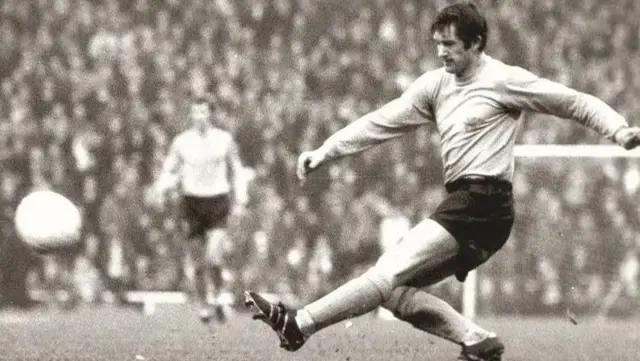
In the quarter-finals of the 1968 Olympics, an exciting match between Israel and Bulgaria ended in a controversial draw of 1-1. This tie was not just a sporting result; it had significant implications for the future of football, as Israel was eliminated from the tournament after a coin toss determined the winner, which angered officials from the Israeli Football Association.
Following this incident, the Israeli Football Association began to seriously consider how to address tie situations in matches, leading to proposals for radical changes in the rules of the game. This proposal was not merely a reaction to a single incident but reflected a desire to develop the game and enhance the sporting experience.
Details of the Event
The year 1968 marked a turning point in the world of sports, with the Olympics serving as a platform for the best teams from around the globe. In that tournament, the match between Israel and Bulgaria was pivotal, as both teams drew in a thrilling moment. However, the coin toss was the only method to determine the winner, which displeased the Israeli association.
Historically, there had been various methods to determine the winner in case of a tie, but the coin toss was unacceptable for many teams, especially in matches of great significance like Olympic games. Therefore, alternative methods began to be considered, such as implementing penalty shootouts or extra time.
Background & Context
During that period, football was rapidly evolving, and there was an urgent need to update the rules to meet the aspirations of teams and players. Numerous suggestions were made to develop the game, but the incident of the draw between Israel and Bulgaria served as the spark that ignited the discussion on how to handle tie situations.
In the years that followed, football associations worldwide began adopting new methods for determining winners, contributing to a radical change in the rules of the game. These changes were essential to keep pace with the developments in the game and the needs of the teams.
Impact & Consequences
The changes to football rules resulting from this proposal not only affected Israel but also had far-reaching implications for the game as a whole. The penalty shootout system was introduced in many tournaments, adding a new element of excitement and thrill to matches.
These changes also contributed to enhancing the fan experience, as matches became more thrilling and competitive. Over time, penalty shootouts became an integral part of football, adding a new dimension to the game.
Regional Significance
Considering the impact of these changes on football, it can be said that they had positive effects on the sport in the Arab region as well. Arab countries began adopting new methods in football, contributing to the development of the game and enhancing competition.
Moreover, these developments helped foster sportsmanship among Arab teams, as competition became fiercer and more exciting. Over time, Arab teams gained a prominent role in international tournaments, reflecting the evolution of the game in the region.
In conclusion, the incident of the draw between Israel and Bulgaria in the 1968 Olympics was not just a sporting event but a turning point in the history of football. The changes that resulted from it contributed to the development of the game, making it more exciting and competitive, enriching the sporting experience for everyone.