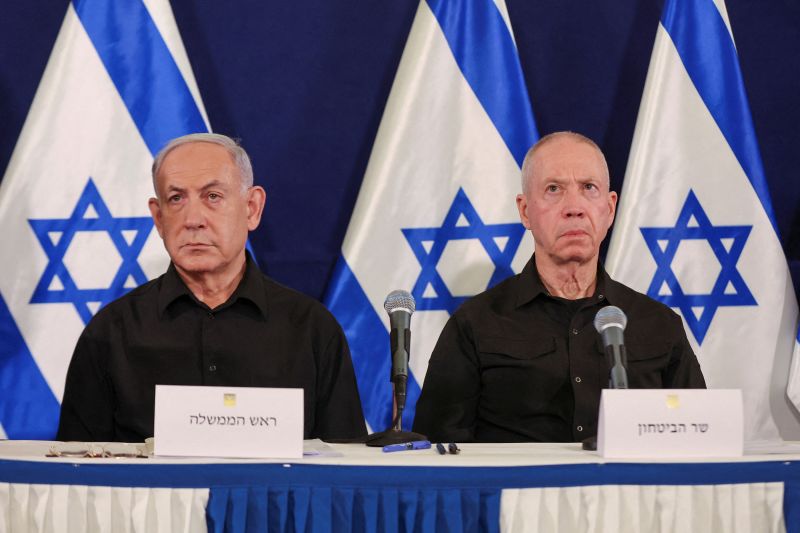
Israeli Defense Minister Yoav Gallant has reiterated that his country will continue to carry out assassination operations aimed at Iranian leaders, stating that these actions are a fundamental component of Israel's defense strategy. Gallant explained that these measures are intended to safeguard Israeli national security and address the increasing threats posed by Tehran.
Gallant's remarks come at a time when relations between Israel and Iran are notably tense, with both nations exchanging accusations regarding military activities and espionage. The minister pointed out that previous operations have proven effective in diminishing Iran's influence in the region, thereby strengthening Israel's strategic position.
Details of the Operations
During a press conference held in Tel Aviv, Gallant stated, "We will not hesitate to take necessary actions to protect our citizens, and we will continue to target leaders who pose a threat to us." These comments follow a series of military operations conducted by Israel against Iranian targets in Syria and Lebanon, which resulted in the deaths of several Iranian military leaders.
The minister also noted that Israel is working to enhance its intelligence and military capabilities to confront the growing challenges from Iran, including the development of its nuclear program. He emphasized that Israel will continue to collaborate with its allies in the region, particularly the United States, to counter Iranian threats.
Background & Context
Historically, relations between Israel and Iran have been strained since the Islamic Revolution in 1979, with Israel considering Iran an existential threat. In recent years, there has been an escalation in military operations between the two sides, including cyberattacks and targeted assassinations.
Iran views its military activities in the region as part of its right to self-defense, while Israel perceives these actions as a threat to its national security. This dynamic has led to heightened tensions in the Middle East, affecting regional stability.
Impact & Consequences
Analysts predict that Gallant's statements may lead to further escalation in military operations between Israel and Iran, which could negatively impact regional security. Additionally, these remarks may provoke reactions from Iran and its allies in the region, intensifying tensions.
Simultaneously, these developments could influence relations between Israel and Arab nations, as some countries seek to bolster security cooperation with Tel Aviv to address Iranian threats. However, the question remains regarding how these dynamics will affect peace efforts in the region.
Regional Significance
Israeli statements regarding assassination operations pose a threat to regional security, as they may lead to escalated conflicts in countries such as Iraq, Syria, and Lebanon. These developments could also impact reconciliation efforts among Palestinian factions, as some parties might exploit these events to strengthen their political positions.
Ultimately, the situation in the Middle East remains complex, with regional and international interests intertwining amid escalating tensions between Israel and Iran. Arab nations must take clear stances to address these growing challenges.