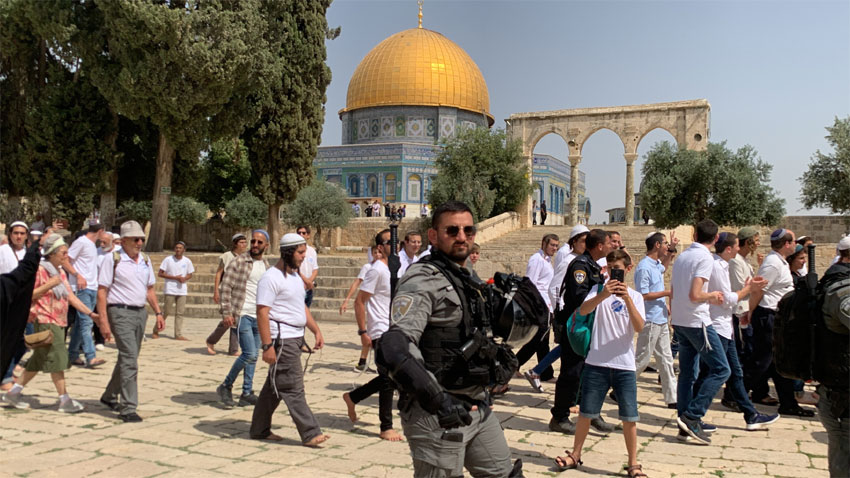
The Israeli occupation continues to close Al-Aqsa Mosque, imposing strict restrictions on worshippers' access to this important religious site. This step comes at a sensitive time, as the region witnesses increasing tensions, raising fears of negative repercussions on the security situation.
Al-Aqsa Mosque is one of the holiest Islamic sites and serves as a spiritual and cultural center for Muslims worldwide. The current closure reflects the escalation of Israeli policies towards sacred places, directly impacting freedom of worship.
Details of the Event
The Israeli authorities have imposed stringent restrictions on access to Al-Aqsa Mosque, preventing many worshippers from reaching the site. These measures are part of the occupation's policy aimed at controlling sacred sites in Jerusalem, particularly during religious holidays and occasions.
These events coincide with calls from human rights organizations and the international community for pressure on Israel to stop its violations against Palestinians. Many Arab and Islamic countries have expressed their condemnation of these measures, considering them an assault on the rights of Muslims.
Background & Context
Historically, Al-Aqsa Mosque has witnessed numerous attempts at control and Judaization by the Israeli occupation. Since 1967, when Israel occupied East Jerusalem, the mosque has become a target for policies aimed at changing the status quo. These policies include settlement expansion and restrictions on worshippers' access.
In recent years, tensions surrounding Al-Aqsa Mosque have intensified, especially with the repeated visits of Israeli extremists to the site, provoking angry reactions from Palestinians. These visits are often accompanied by heightened security measures from the occupying forces.
Impact & Consequences
The ongoing closure of Al-Aqsa Mosque has serious implications for the security situation in the region. It may lead to increased protests and confrontations between Palestinians and occupation forces, threatening stability in Jerusalem and its surroundings. Additionally, these measures could exacerbate humanitarian conditions in Palestinian areas, where residents suffer from restrictions on movement and resources.
Moreover, the continuation of these policies may contribute to heightened tensions between Israel and Arab countries, undermining peace efforts in the region. The international community is closely monitoring these developments, as pressure on Israel to cease its violations increases.
Regional Significance
The events at Al-Aqsa Mosque are pivotal for the Arab world, representing a symbol of Islamic and Arab identity. Any assault on this historical landmark provokes strong reactions from Arab nations, potentially leading to diplomatic or even military escalation.
The relations between Arab countries and Israel are directly affected by these events, with increasing calls for boycotting the occupation and pressuring it to halt its violations. These events also remind us of the importance of Arab unity in facing common challenges.
In conclusion, Al-Aqsa Mosque remains a center of the ongoing conflict between Palestinians and Israelis, reflecting the political and religious tensions in the region. The continued closure poses a significant challenge to human and religious rights, necessitating urgent action from the international community.