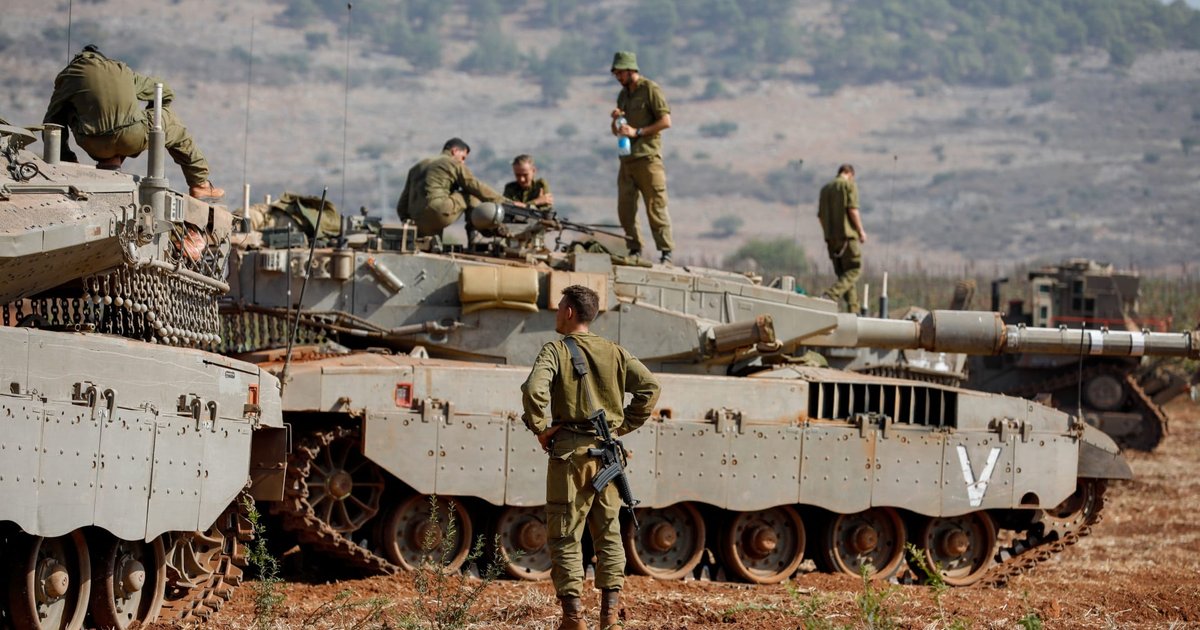
Israeli Defense Minister Yoav Gallant stated in a press conference on Tuesday that the Israeli army will establish control over a "security area" extending to the Litani River in southern Lebanon. This announcement comes amid rising tensions in the region, prompting questions about Israel's military intentions in Lebanon.
This decision is seen as a new step in Israel's security policy towards Lebanon, as Tel Aviv seeks to enhance its military presence in border areas. Gallant emphasized that this move aims to protect Israeli borders from potential threats, indicating that Israeli forces will work to secure the area more effectively.
Details of the Announcement
In his remarks, Gallant clarified that the control over the security area will involve strengthening military forces and increasing intelligence activities in the region. He noted that this step is part of Israel's response to the growing threats posed by Hezbollah, which the Israeli army considers one of the largest security threats in the area.
It is important to note that the Litani River is one of the main rivers in Lebanon, flowing through vital regions. Israeli control over this area could lead to heightened tensions between the two sides, especially given the long history of armed conflicts between Israel and Hezbollah.
Background & Context
Historically, the Lebanese-Israeli border has witnessed numerous armed conflicts, with the last war between the two sides occurring in 2006. Since then, UN forces have maintained a presence in the area, but tensions remain high. Hezbollah, which enjoys significant popular support in Lebanon, is one of the prominent armed factions opposing Israeli presence in the region.
In recent years, Israel has increased its military activity in border areas, conducting airstrikes on targets associated with Hezbollah. Official Israeli statements indicate growing concern over Hezbollah's military capabilities, including the development of precision missiles.
Impact & Consequences
This move could escalate the conflict in the region, as Hezbollah is likely to respond to these Israeli actions with military operations. Additionally, control over a new security area may affect relations between Lebanon and Israel and provoke international reactions, especially from countries seeking to stabilize the region.
Moreover, these developments could impact the internal situation in Lebanon, which is currently grappling with economic and political crises. Any military escalation could exacerbate humanitarian conditions in the country and increase the suffering of the Lebanese people.
Regional Significance
These developments are of significant importance to the Arab region as a whole, as any escalation between Israel and Hezbollah could affect regional security. Neighboring Arab countries, such as Syria and Jordan, may find themselves in a difficult position if the conflict escalates into a full-scale war.
Furthermore, these events could impact peace efforts in the region, as some Arab countries are seeking to normalize relations with Israel. Any escalation in the conflict could reverse progress and heighten tensions between Arab nations and Israel.
In conclusion, the situation in southern Lebanon remains under close observation, as any new moves by Israel or reactions from Hezbollah could lead to significant changes in the security landscape of the region.