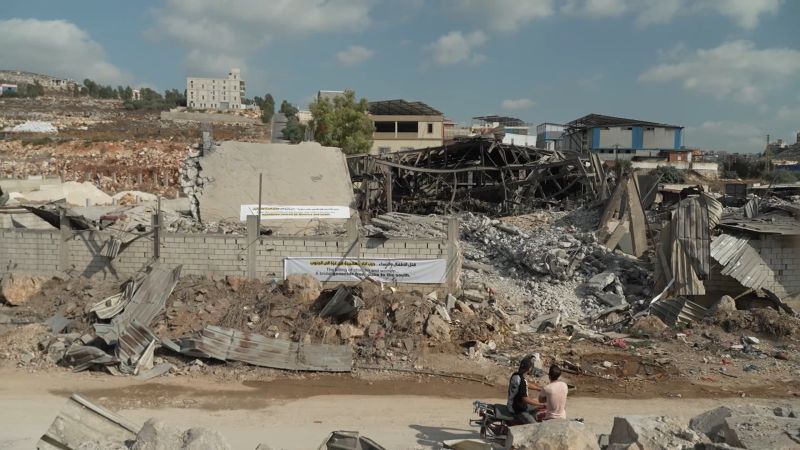
Israel has declared its intention to control large parts of southern Lebanon, which will prevent over 600,000 Lebanese citizens from returning to their homes. This step is part of the ongoing military campaign against Hezbollah, which Israel considers a threat to national security. This announcement raises significant concerns about its humanitarian and political implications in the region.
This move coincides with escalating tensions in the area, where clashes between Israeli forces and Hezbollah have increased in recent weeks. Reports indicate that this control will significantly impact the lives of civilians in southern Lebanon, who are already suffering from the effects of the ongoing conflict.
Details of the Event
Through this action, Israel aims to strengthen its military position in the region, focusing on targeting Hezbollah sites. These plans were announced by Israeli officials, who confirmed that the goal is to reduce Hezbollah's capacity to carry out operations against Israel. In this context, Israeli forces have been reinforced in border areas, further heightening tensions between the two sides.
These developments come at a sensitive time, as Lebanon is grappling with severe economic and political crises. Many observers have warned that this step could exacerbate the humanitarian situation in Lebanon, where many residents already live under difficult conditions.
Background & Context
Historically, relations between Israel and Lebanon have been marked by ongoing tensions, especially since the Lebanese Civil War in 1975. Repeated conflicts have worsened the humanitarian situation in Lebanon, where the population suffers from the consequences of military disputes. Hezbollah, established in the 1980s, is one of the prominent armed factions in Lebanon and has fought several wars against Israel, making the conflict between the two sides persistent.
In recent years, tensions between Israel and Hezbollah have increased, particularly following mutual attacks and military operations. Many analysts have pointed out that the situation in Lebanon could become more complicated if Israel continues to implement its military plans.
Impact & Consequences
This move is expected to worsen the humanitarian situation in Lebanon, as many residents will find themselves unable to return to their homes. Additionally, this step may lead to increased tensions between Lebanon and Israel, potentially opening the door to further military clashes.
Moreover, these developments could affect regional stability, as regional and international powers may intervene in an attempt to calm the situation. Many experts have warned that continued escalation could lead to a larger conflict, threatening security in the entire region.
Regional Significance
These events are of great importance to Arab countries, as they reflect the ongoing tensions in the region. The continuation of the conflict between Israel and Hezbollah could impact relations between Arab states and Israel, especially amid normalization attempts seen in some countries in recent years.
Furthermore, the situation in Lebanon could affect regional security, potentially leading to an influx of refugees into neighboring countries, which would increase pressure on these nations. In this context, Arab countries must be prepared to deal with the repercussions of these events.