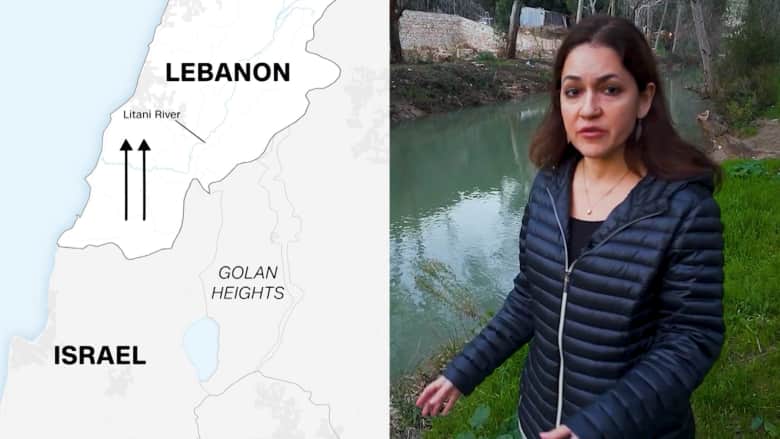
Israeli media reports indicate that Israel continues to maintain its control in southern Lebanon, extending this control up to the Litani River and some neighboring areas. This information comes at a time when the region is experiencing increasing tensions, raising questions about the future of the security situation in Lebanon.
These statements follow a series of military and political events in the region, where fears of a potential escalation in the conflict between Israel and Hezbollah have grown. In this context, Israeli control over these areas is considered part of its security strategy in response to potential threats.
Details of the Situation
According to sources, Israeli forces have bolstered their military presence in the southern areas, reflecting their concerns about any movements that Hezbollah may undertake. Reports also indicate that Israel has conducted preemptive operations to ensure that its defined borders are not crossed, which reflects the ongoing nature of the conflict in this region.
These operations include enhancing checkpoints and intensifying military patrols, in addition to using advanced technology to monitor any suspicious movements. These measures are part of an Israeli policy aimed at maintaining national security and strengthening control over its borders.
Background & Context
Historically, the Lebanese-Israeli border has witnessed numerous armed conflicts, with southern Lebanon being a theater for repeated military operations. Since Israel's withdrawal from Lebanon in 2000, tensions have persisted, especially with Hezbollah continuing to enhance its military capabilities.
The situation in Lebanon is also complex, as the country suffers from severe political and economic crises, increasing the likelihood of conflict escalation. In recent years, military activities along the border have intensified, reflecting a state of ongoing instability.
Impact & Consequences
The continued Israeli control over southern Lebanon could exacerbate security conditions in the region. Hezbollah may respond to these movements, potentially dragging the area into a broader conflict.
Furthermore, these developments could affect relations between Lebanon and neighboring countries, in addition to impacting regional stability. Any escalation could negatively reflect on the economic situation in Lebanon, which is already grappling with multiple crises.
Regional Significance
These events are part of the larger picture of the Arab-Israeli conflict, where the Palestinian issue and other regional disputes continue to overshadow relations between Arab states and Israel. The ongoing tensions in Lebanon could affect peace efforts in the region and increase divisions among Arab countries.
In conclusion, the situation in southern Lebanon remains under observation, with growing fears of a potential escalation that could have serious repercussions for regional security.