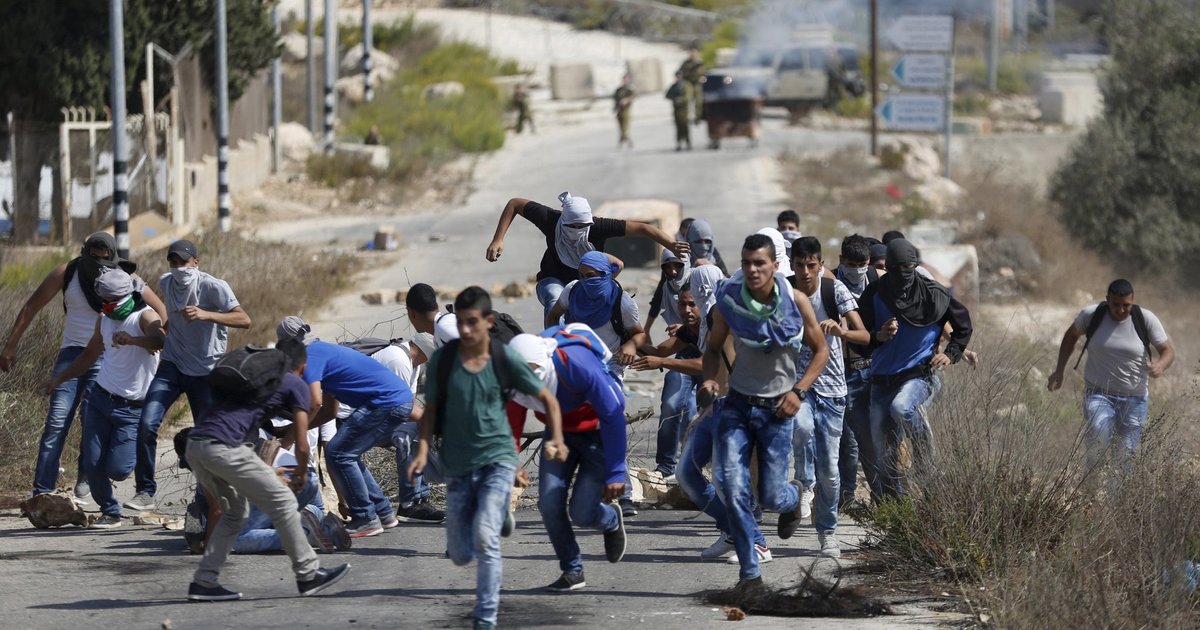
The Israeli government has approved a new law imposing the death penalty on Palestinians convicted of terrorist crimes, reflecting an escalation in Israeli policies towards Palestinians. This law, which was passed in the Knesset, comes amid rising violence and tensions in the region, raising concerns about its implications for human rights.
This step follows a series of attacks targeting Israelis, as the government seeks to take stringent measures against what it describes as Palestinian terrorism. The law was voted on with a significant majority, reflecting broad support within the Knesset for this new policy.
Details of the Law
The new law stipulates the imposition of the death penalty on Palestinians convicted of committing terrorist crimes, including attacks that result in the death of Israelis. This decision has elicited mixed reactions, with some viewing it as a necessary step to combat terrorism, while others consider it a violation of human rights.
This law comes at a time when the security situation in the occupied Palestinian territories is increasingly tense, with rising incidents of violence and retaliatory attacks between Palestinians and Israelis. Human rights organizations have expressed concern that this law could lead to further escalation and violence in the region.
Background & Context
Historically, there have been multiple attempts by the Israeli government to tighten penalties on Palestinians convicted of terrorist crimes. Recent years have seen an increase in the severity of violence, prompting the government to adopt stricter measures. This law is also part of the current government's policy, which takes a hardline approach towards Palestinians.
In recent years, several laws aimed at enhancing Israeli security have been passed, but this law is the most controversial, as it contradicts international human rights standards. International organizations have warned that the implementation of this law could lead to serious violations of Palestinian rights.
Impact & Consequences
The implications of this law could be far-reaching, as it is likely to lead to an escalation of violence in the occupied Palestinian territories. Additionally, this decision may affect Israel's relations with the international community, as Israel is expected to face severe criticism from human rights organizations and countries advocating for respect for human rights.
Moreover, this law could increase tensions between Palestinians and Israelis, potentially hindering any future efforts to reach a peaceful resolution to the conflict. There are also concerns that this law could be used as a justification for further repressive measures against Palestinians.
Regional Significance
This law does not only affect Palestinians; it has ramifications for the entire Arab region. The escalation of violence in the Palestinian territories could exacerbate situations in neighboring countries and heighten tensions in the region. Furthermore, this law may influence the stance of Arab nations on the Palestinian issue, potentially increasing support for Palestine in international forums.
In conclusion, this law represents a controversial step in Israeli policy towards Palestinians and reflects an escalation in the ongoing conflict. It is crucial for the international community to closely monitor these developments and work to support Palestinian rights in the face of these repressive policies.