Fears are escalating in Lebanon as the war between Israel and Hezbollah enters its second month, with Israel continuing to destroy towns located on the front lines, claiming these areas harbor military infrastructure belonging to Hezbollah. Reports indicate that Israel aims to turn these regions into uninhabitable wastelands, raising concerns among local residents.
Lebanese sources confirmed that Israel is conducting destruction operations at a depth of between 4 and 5 kilometers south of the Litani River, without the United States responding to Lebanese government requests to pressure Israel to halt these actions. Reports suggest that Israel is receiving a green light from Washington to eradicate the military wing of Hezbollah from the area.
Details of the Situation
According to Lebanese sources, Israel seeks to destroy border villages under the pretext that they are used as hideouts for storing weapons, which threatens the security of Israeli settlements. This escalation has raised questions about the fate of U.S. guarantees that pledged not to target vital infrastructure in Lebanon, including Rafic Hariri International Airport.
Despite the pressures, sources affirm that U.S. reassurances remain intact, and Washington refuses to respond to Israeli requests to target vital facilities, indicating a divergence in positions between the allies. However, Israeli airstrikes on certain neighborhoods in Greater Beirut are considered part of the pursuit of Hezbollah leaders, complicating the security situation in Lebanon.
Background & Context
Historically, Lebanon has witnessed multiple conflicts with Israel, with previous wars resulting in widespread devastation. As current tensions escalate, the situation appears to be heading towards further escalation, especially with no signs of an imminent end to the conflict. The United States has shown interest in stabilizing Lebanon, but it faces significant challenges in achieving this.
The Lebanese-Israeli relations are complex, intertwined with political and security factors. While the Lebanese government seeks to regain control of the situation, it faces pressures from Hezbollah, which holds significant influence in the country.
Impact & Consequences
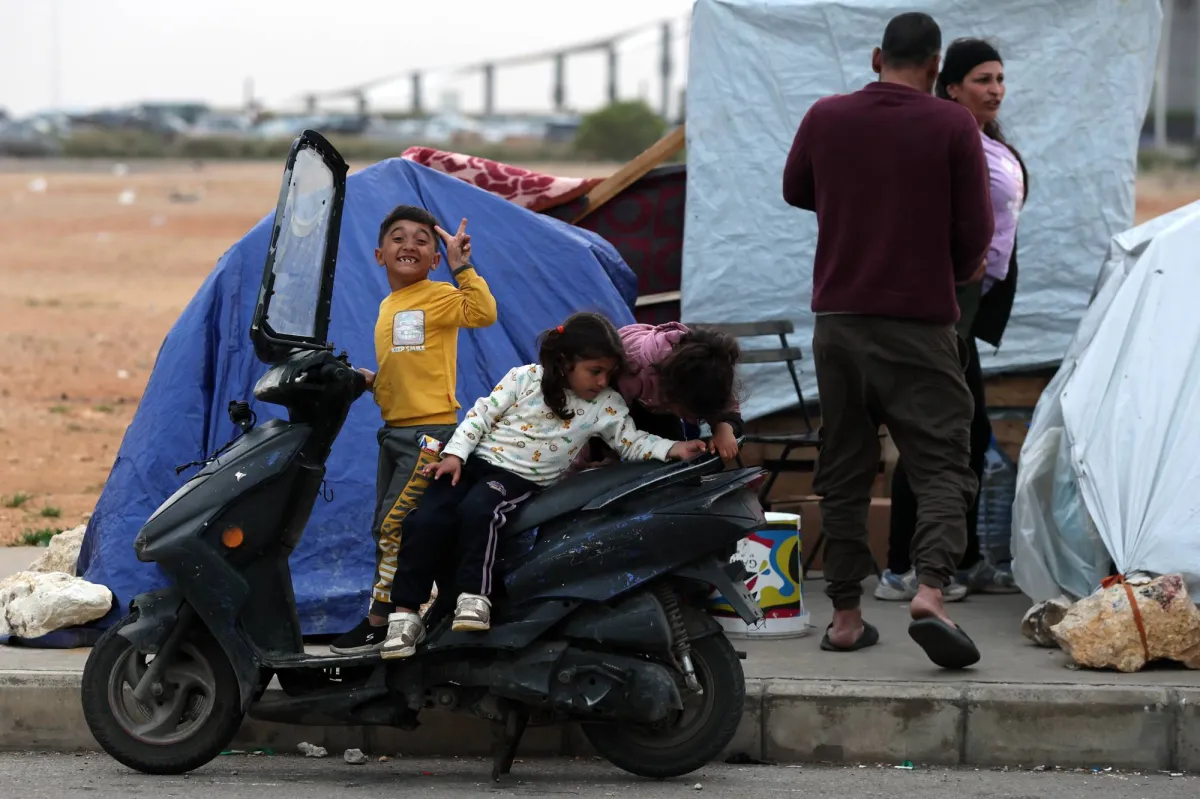
Israeli military operations significantly affect the humanitarian situation in Lebanon, where residents suffer from displacement and destruction. The continuation of these operations could lead to greater escalation in the conflict, threatening the stability of the entire region. This situation reflects the challenges the Lebanese government faces in its attempts to maintain security and stability.
On the other hand, military pressures may strengthen Hezbollah's position within Lebanon, complicating the government's efforts to disarm it. Therefore, any escalation in military operations could have far-reaching effects on the political balances in Lebanon.
Regional Significance
The repercussions of the Lebanese-Israeli conflict extend beyond Lebanese borders, affecting relations between Arab countries and Israel. As tensions rise, peace efforts in the region may be impacted, further complicating the security situation in the Middle East. Additionally, the continuation of the conflict could contribute to the strengthening of extremist trends in the region.
In conclusion, the situation in Lebanon remains tense, with fears of greater military escalation increasing. As military operations continue, the hope for achieving peace and stability seems distant.