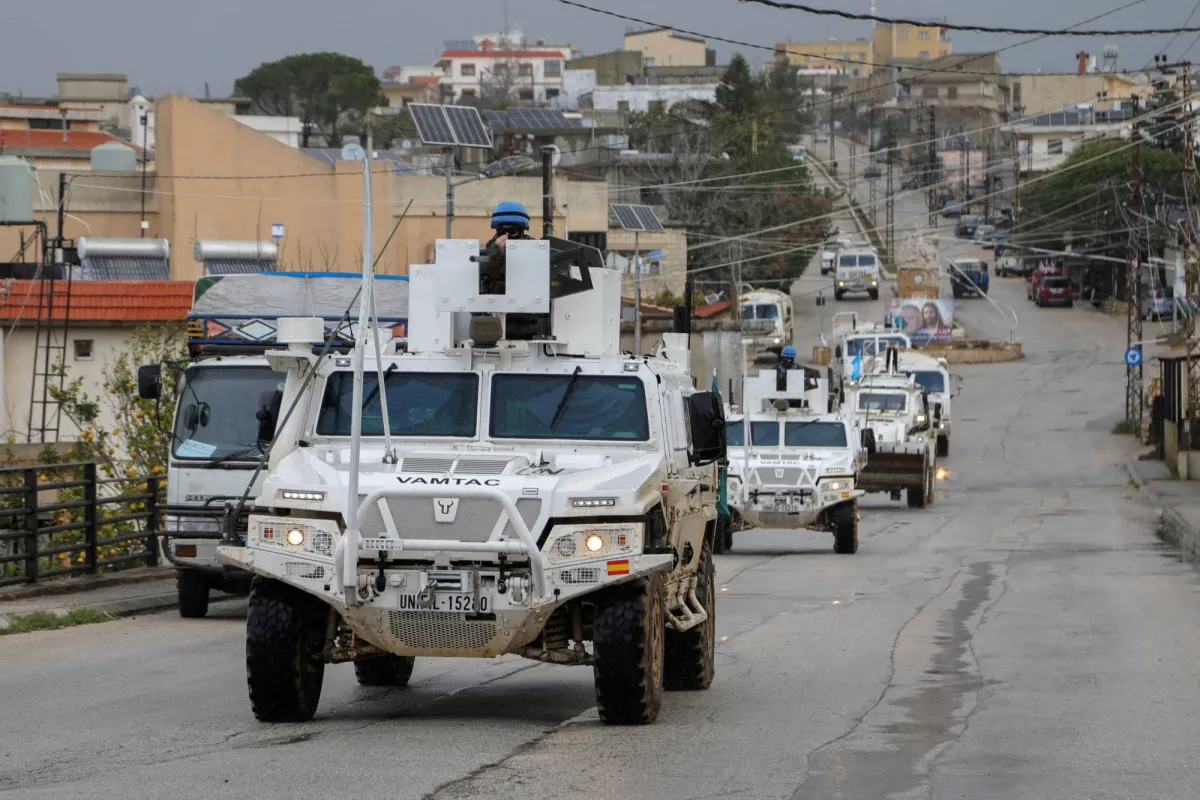
Israeli forces destroyed 17 surveillance cameras belonging to the United Nations Interim Force in Lebanon (UNIFIL) within 24 hours, as reported by a security source in the United Nations to Agence France-Presse. This move comes at a time when southern Lebanon is witnessing military escalation between Israel and Hezbollah, with ongoing clashes and reciprocal attacks.
Since the onset of the war between Hezbollah and Israel on March 2, international peacekeeping sites in southern Lebanon have been subjected to continuous bombardment. The security source indicated that the Israeli army destroyed the cameras in the coastal town of Naqoura, where military operations have been concentrated.
Details of the Incident
On Thursday, UNIFIL spokesperson Candice Ardil confirmed that peacekeepers witnessed extensive demolitions carried out by Israeli forces in Naqoura. She explained that these operations were not limited to the destruction of cameras but also included the demolition of civilian homes and shops, causing damage to the international force's command headquarters.
The international force also mourned the loss of three Indonesian soldiers who died in separate incidents over the past few days, with three other soldiers injured due to an explosion inside one of its sites near the town of Adaisseh. The Israeli army reported that Hezbollah was responsible for firing a rocket that landed inside a UNIFIL site.
Background & Context
UNIFIL was established in 1978 to maintain peace and stability in southern Lebanon and has since faced several attacks. According to the United Nations, 97 members of the force have been killed due to violence in the region. Concerns are growing over the escalation of violence amid current tensions, where military and political dimensions of the conflict are intertwined.
UNIFIL aims to enhance security in the region, but the increasing Israeli attacks and Hezbollah operations complicate its mission. The spokesperson emphasized the need for all parties to commit to ensuring the safety and security of peacekeeping forces and to avoid any close combat activities that may endanger them.
Impact & Consequences
The recent events underscore the rising tensions in the region, which could exacerbate the humanitarian situation in Lebanon. Civilians are suffering from the repercussions of the conflict, with increasing numbers of displaced individuals and casualties. The destruction of the cameras reflects an escalation in Israeli military operations, raising concerns about UNIFIL's ability to carry out its tasks.
The current situation requires an urgent international response to ensure the protection of civilians and provide humanitarian assistance. Continued attacks could worsen the humanitarian crises in Lebanon, necessitating effective diplomatic action from the international community.
Regional Significance
The events in Lebanon are part of a broader conflict in the region, where regional and international interests intersect. The escalating tensions between Israel and Hezbollah could impact stability in neighboring countries such as Syria and Palestine, further complicating security situations.
The region needs sustainable political solutions to end conflicts and achieve peace. The continuation of violence could have negative repercussions on regional security, calling for urgent action from the international community.
In conclusion, the situation in Lebanon remains under scrutiny, with the current state requiring immediate responses to protect civilians and ensure regional stability.