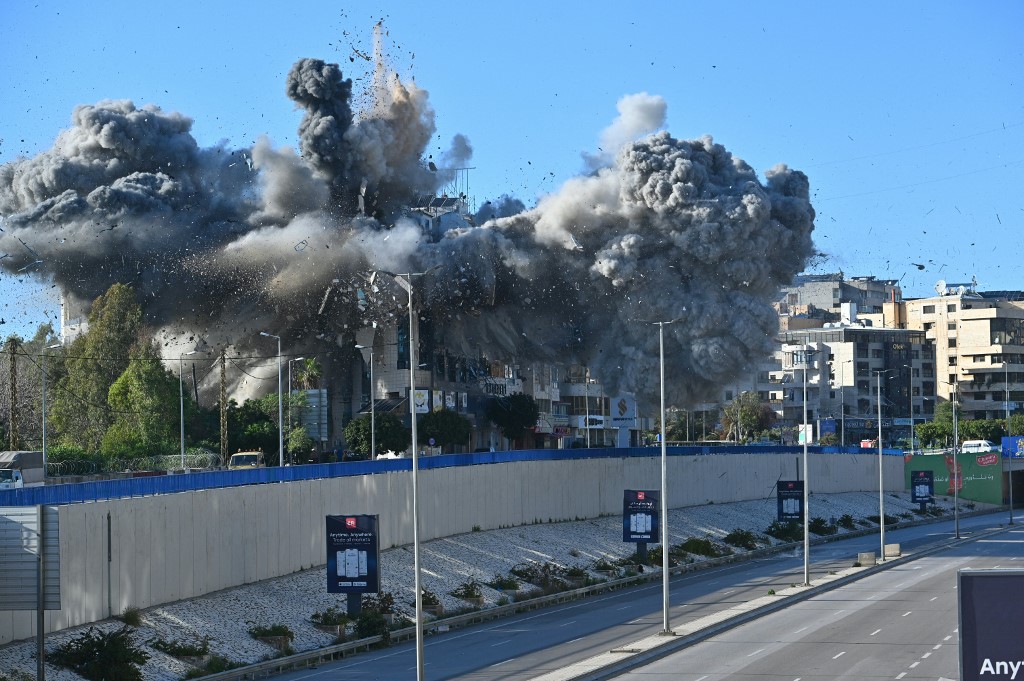
In a serious development, the Israeli armed forces announced that they had detected missiles launched from Iranian territory, leading to early warnings for residents of Jerusalem and the Tel Aviv area. This event reflects the escalating tensions in the region and raises fears of a potential military escalation.
According to military sources, the missiles were detected early this morning, prompting the Israeli Home Front Command to issue warnings to residents in the affected areas, urging them to take necessary precautions. No damage or injuries have been reported so far, but the situation remains tense.
Details of the Incident
This incident comes at a sensitive time for Israel, as fears of potential Iranian threats are increasing. Reports indicate that the launched missiles may be part of a larger Iranian strategy aimed at enhancing its military capabilities in the region. Residents in Jerusalem and Tel Aviv have been instructed to remain vigilant.
While there are no precise details regarding the number or type of missiles, this incident highlights the ongoing tensions between Iran and Israel, which have been escalating significantly in recent years.
Background & Context
Historically, relations between Iran and Israel have been extremely tense, with Israel considering Iran an existential threat. In recent years, Iran has increased its support for armed groups in the region, including Hezbollah in Lebanon, raising Israel's concerns. Additionally, the Iranian nuclear program is a major point of contention, as Israel seeks to prevent Iran from acquiring nuclear weapons.
In recent years, the region has witnessed numerous military incidents involving exchanges of strikes between the two sides, heightening fears of a larger escalation. These events reflect the ongoing struggle for influence in the Middle East, as both Iran and Israel pursue their strategic interests.
Impact & Consequences
This incident could have significant implications for regional security. If tensions escalate, we may witness military responses from the Israeli side, potentially leading to an escalation of the conflict in the region. Furthermore, this incident may affect relations between Israel and other Arab countries, especially in light of the normalization efforts that have taken place in the region in recent years.
Additionally, this incident could impact financial markets, as rising tensions may lead to increases in oil and commodity prices. Any military escalation could also affect trade and tourism in the region, increasing economic pressures.
Regional Significance
The events between Iran and Israel are particularly significant for Arab countries, as they could affect stability in the region. Many Arab nations are closely monitoring the situation, as any escalation could have security and economic repercussions for neighboring countries.
Moreover, these events may impact peace efforts in the region, as some Arab countries seek to normalize relations with Israel. Escalating tensions could complicate these efforts and increase divisions in the region.
In conclusion, the situation in the Middle East remains tense, and the international community must closely monitor these developments. Recent events suggest that the region may be on the brink of a new escalation, requiring effective diplomatic responses to avoid further escalation.