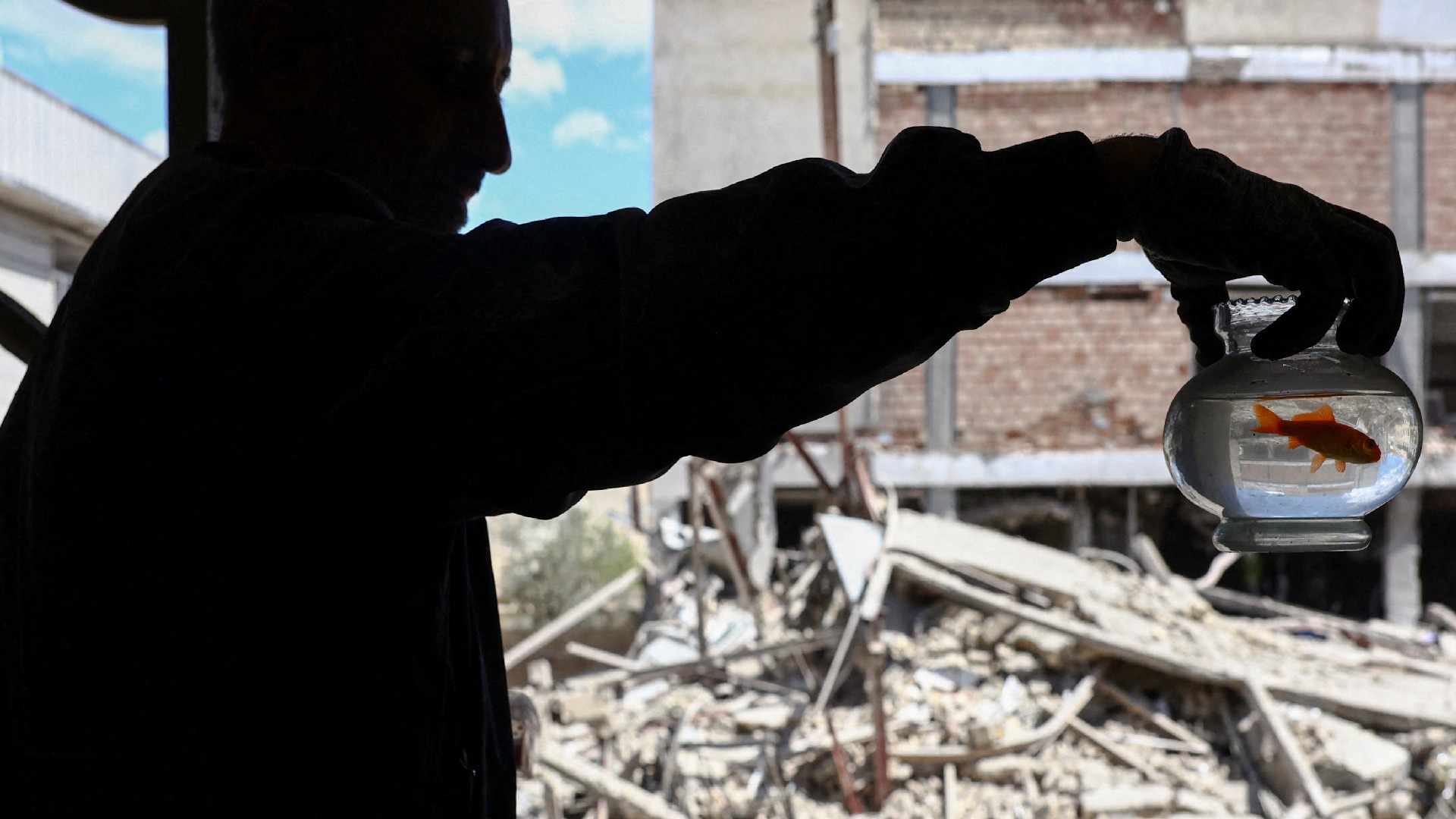
The Israeli armed forces have reported the detection of new ballistic missile launches from Iranian territory, targeting central Israel. This announcement comes shortly after the launch of around ten missiles in the same region, where Israeli air defenses managed to intercept most of them, highlighting the escalating tensions in the area.
This incident is part of a series of reciprocal attacks between Iran and Israel, with growing concerns about a military escalation that could impact security conditions in the Middle East. Recent reports indicate that these attacks come at a sensitive time, as tensions rise between Iran, the United States, and its allies in the region.
Details of the Incident
As Iran continues to develop its missile program, fears in Israel grow that these missiles could be used in direct attacks against Israeli targets. Israeli military sources have confirmed that the recent attacks pose a real threat to national security, necessitating the strengthening of air defenses and cooperation with allies in the region.
It is noteworthy that Iran has previously declared its capability to target any point in Israel, raising concerns in Tel Aviv. At the same time, Israel adopts a deterrence policy, seeking to destroy any threat before it materializes.
Background & Context
Historically, relations between Iran and Israel have seen increasing tensions, particularly following the Iranian revolution in 1979. Since then, Israel has viewed Iran as a major threat to its security, leading to a series of military attacks and covert operations between the two sides. In recent years, these tensions have notably escalated, as Iran seeks to enhance its influence in the region while Israel attempts to prevent this by all possible means.
The conflict in Syria has also complicated the situation, with Iranian forces positioned near the Israeli border, raising fears of a potential military escalation at any moment. In this context, the recent missile attacks are seen as part of an Iranian strategy aimed at sending a strong message to Israel and its allies.
Impact & Consequences
These events could lead to greater military escalation in the region, as Israel may take preemptive military actions against Iranian sites. Additionally, this escalation could affect relations between Iran and Western countries, especially amid ongoing tensions regarding the Iranian nuclear program.
Moreover, the rising tensions may impact financial markets in the region, potentially leading to increased oil prices and deteriorating economic conditions in Middle Eastern countries. Any military escalation could also result in a flow of refugees and increased burdens on neighboring countries.
Regional Significance
The recent events are indicative of the rising tensions in the region, which may affect neighboring Arab countries. The tension between Iran and Israel could lead to increased divisions among Arab states, with some countries taking pro-Israel stances while others support Iran.
Ultimately, the situation in the Middle East remains complex, with political and military interests intertwined. It is crucial for Arab countries to stay informed about ongoing developments and to work on enhancing cooperation among themselves to address the growing security challenges.