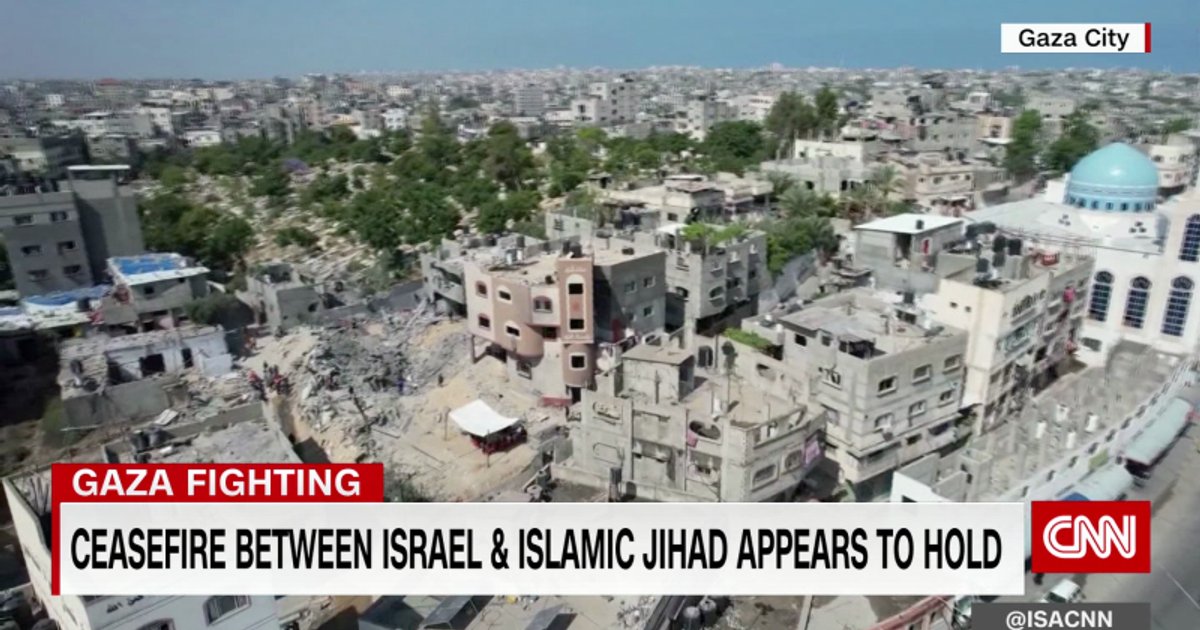
Analysts and observers in Israel have expressed clear disappointment with the ceasefire agreement with Iran, as concerns grow over the failure to achieve declared military objectives. This comes at a time when discussions about the possibility of halting military operations against Hezbollah are increasing, intensifying criticisms directed at the Israeli government.
Opinions vary among different political circles in Israel, with the opposition and some members of the ruling coalition expressing dissatisfaction with this agreement. Many observers feel that this approach may weaken Israel's position against regional threats, especially amid rising Iranian military activities in the area.
Details of the Event
In recent days, the Israeli arena has witnessed intense discussions regarding the ceasefire agreement with Iran. Many analysts consider this agreement a retreat from the strategic objectives set by Israel to counter Iranian threats. Some observers have pointed out that this approach could strengthen Iran and its allies in the region, escalating tensions further.
Several analysts have also expressed their astonishment at the lack of a clear plan to deal with Hezbollah, which is considered one of the most significant threats to Israel. Some suggest that halting military operations against Hezbollah may provide the organization with an opportunity to reorganize and enhance its military capabilities.
Background & Context
Historically, relations between Israel and Iran have been tense, with recent years witnessing an escalation in Iranian military activities in the region. Israel has viewed Iran as an existential threat, prompting it to take military steps to confront it. However, the ceasefire agreement may alter the dynamics of the conflict in the region, necessitating a reassessment of Israeli strategies.
In this context, Hezbollah is one of Iran's most prominent allies in the region and has played a key role in the conflict with Israel. As pressures mount on the Israeli government, it may find itself compelled to reconsider its military strategies towards this organization.
Impact & Consequences
The ceasefire agreement with Iran is expected to have significant implications for regional security. It may lead to an increase in Iranian influence in the area, threatening stability in neighboring countries such as Iraq and Syria. Additionally, halting military operations against Hezbollah could provide the organization with an opportunity to strengthen its military capabilities, increasing tensions along the Israeli-Lebanese border.
Furthermore, this agreement may affect Israel's relations with its allies, as some may feel that Israel is no longer capable of effectively confronting threats. This could negatively impact international support for Israel in the future.
Regional Significance
This development poses a significant challenge for Arab countries, as it may lead to increased regional tensions. With the rising Iranian influence, Arab nations may find themselves compelled to adapt to a new reality that requires new strategies to confront threats.
This situation could also impact peace efforts in the region, as Arab countries may become more cautious in dealing with regional issues, complicating the political landscape further.
In conclusion, the situation in Israel remains complex, requiring the government to reassess its military and diplomatic strategies to meet growing challenges. As pressures continue, Israel may have to make difficult decisions in the near future.