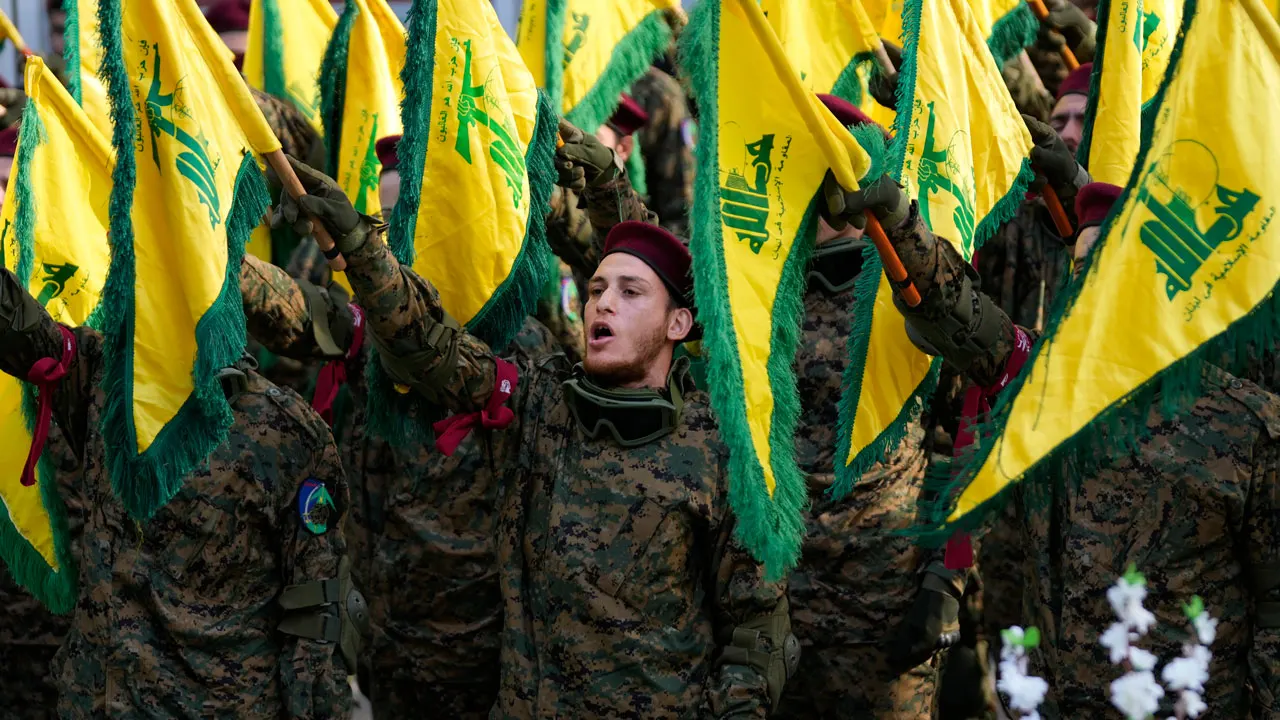
Israeli military officials have confirmed that the process of disarming Hezbollah is a purely Lebanese responsibility, emphasizing that this step requires strong political will from the Lebanese government. These statements come at a time when tensions in the region are escalating, as Hezbollah is considered one of the most prominent armed factions in Lebanon and is viewed as a threat to Israeli security.
The timing of these remarks is sensitive, as the Lebanese-Israeli border is experiencing increasing tensions, raising concerns about the potential outbreak of a new conflict. Israeli officials believe that disarming Hezbollah will only be achieved through internal Lebanese efforts, placing the responsibility squarely on the Lebanese government.
Details of the Situation
Israeli military officials stated that disarming Hezbollah should be part of a comprehensive strategy adopted by the Lebanese government. They pointed out that Hezbollah possesses an arsenal of advanced weapons, which poses a threat to regional security. Reports have confirmed that the group has precision missiles capable of reaching deep into Israeli territory.
At the same time, the Lebanese government has expressed concern over the external pressures it faces as it seeks to maintain stability in the country amid ongoing economic and political crises. Some Lebanese officials have asserted that disarming Hezbollah requires internal consensus among the various political forces in the country.
Background & Context
Hezbollah was established in 1982 during the Israeli invasion of Lebanon and has since become a significant political and military force in the country. The group has fought several wars with Israel, including the war in 2006, which resulted in widespread destruction in Lebanon. Since then, Hezbollah has become an integral part of the Lebanese political landscape, representing a large segment of the Shia population.
Despite international and local pressures to disarm the group, the Lebanese government faces significant challenges in achieving this. Hezbollah considers itself a resistance movement against Israeli occupation and draws strength from popular support and Iranian funding. This situation makes it difficult for the Lebanese government to take serious steps to disarm the group without facing strong backlash from its supporters.
Impact & Consequences
The statements from Israeli officials could escalate tensions in the region, as they may be interpreted as direct threats to Hezbollah. Should any new conflict arise, it could have serious repercussions for regional security, including an influx of refugees and increased sectarian tensions.
Furthermore, the pressures on the Lebanese government could exacerbate the economic and political crises the country is currently experiencing. The Lebanese government faces significant challenges in achieving stability, and any escalation in tensions could worsen the current situation.
Regional Significance
The issue of Hezbollah and its disarmament is a sensitive topic that affects many Arab countries. Security in Lebanon is closely linked to regional security, and any escalation in tensions could impact relations between Arab countries and Israel. Additionally, the situation in Lebanon could affect the stability of neighboring countries, such as Syria, which is grappling with internal crises.
In conclusion, the issue of disarming Hezbollah remains a crucial focal point in regional politics, requiring a comprehensive solution that considers both Lebanese and regional interests. Achieving stability in Lebanon necessitates cooperation among all concerned parties, including the international community.